15-09-2026



Mattewara Drain: Source of Sustainability
*Origin of Mattewara Drain: Utilization of the Water Body for the Sustainability of Mattewara Jungles and Biodiversity*
A Proposal for the Sustainable Green Growth Mission
Prepared by:
Col CM Lakhanpal
Member, Public Action Committee (PAC) – Mattewara Jungles, River Satluj and Buddha Darya, Ludhiana
*Introduction*
The Mattewara Jungles are among Punjab’s most valuable natural forest ecosystems. Situated along the southern bank of the River Satluj, these historic and sacred forests once formed a continuous ecological corridor with the Machiwara Jungles. They are rich in biodiversity and possess immense environmental, cultural, historical, and spiritual significance.
The long-term sustainability of these forests depends upon the availability of water throughout the year. Reviving and scientifically managing the Mattewara Drain offers a practical, economical, and nature-based solution for conserving the jungles and restoring ecological balance.
*Origin and Course of the Mattewara Drain*
The Mattewara Drain originates from the drainage system carrying regulated water supplied through the Sirhind Canal.
*Part I*
- The drainage network comprises:
- Bela Drain (Chamkaur Sahib)
- Behlolpur Drain (Machiwara)
- Koom Kallan Drain
- Guru Charan Kanwal Drain (confluence)
- Lakhowal Cut Drain
These interconnected drains form the upstream catchment before entering the main Mattewara Drain.
*Part II*
From Lakhowal Cut onwards, the drain passes through:
- Lakhowal
- Rahimabad
- Bahadurpur
- Mand Chaunta
- Dhollanwal
- Garcha
- Hyder Nagar
- Machian Kallan
- Garhi Fazal
- Mattewara Jungles
- before finally joining the River Satluj.
*Primary Source of Water*
The principal source of water is the Sirhind Canal, which can provide regulated environmental flows through:
*Bela Drain*
or
*Guru Charan Kanwal Drain*
A properly designed diversion system can ensure regular water availability without affecting irrigation requirements.
*Water Diversion Proposal*
A scientifically designed *check dam* and diversion structure should be constructed at a suitable location near the confluence of the Bela, Behlolpur Koom Kallan drains.
*The proposed structure would*:
- Divert regulated water into the Mattewara Drain.
- Maintain ecological flows throughout the year.
- Recharge groundwater.
- Support wildlife habitats.
- Reduce dependence on groundwater extraction.
*Maintenance of the Drain*
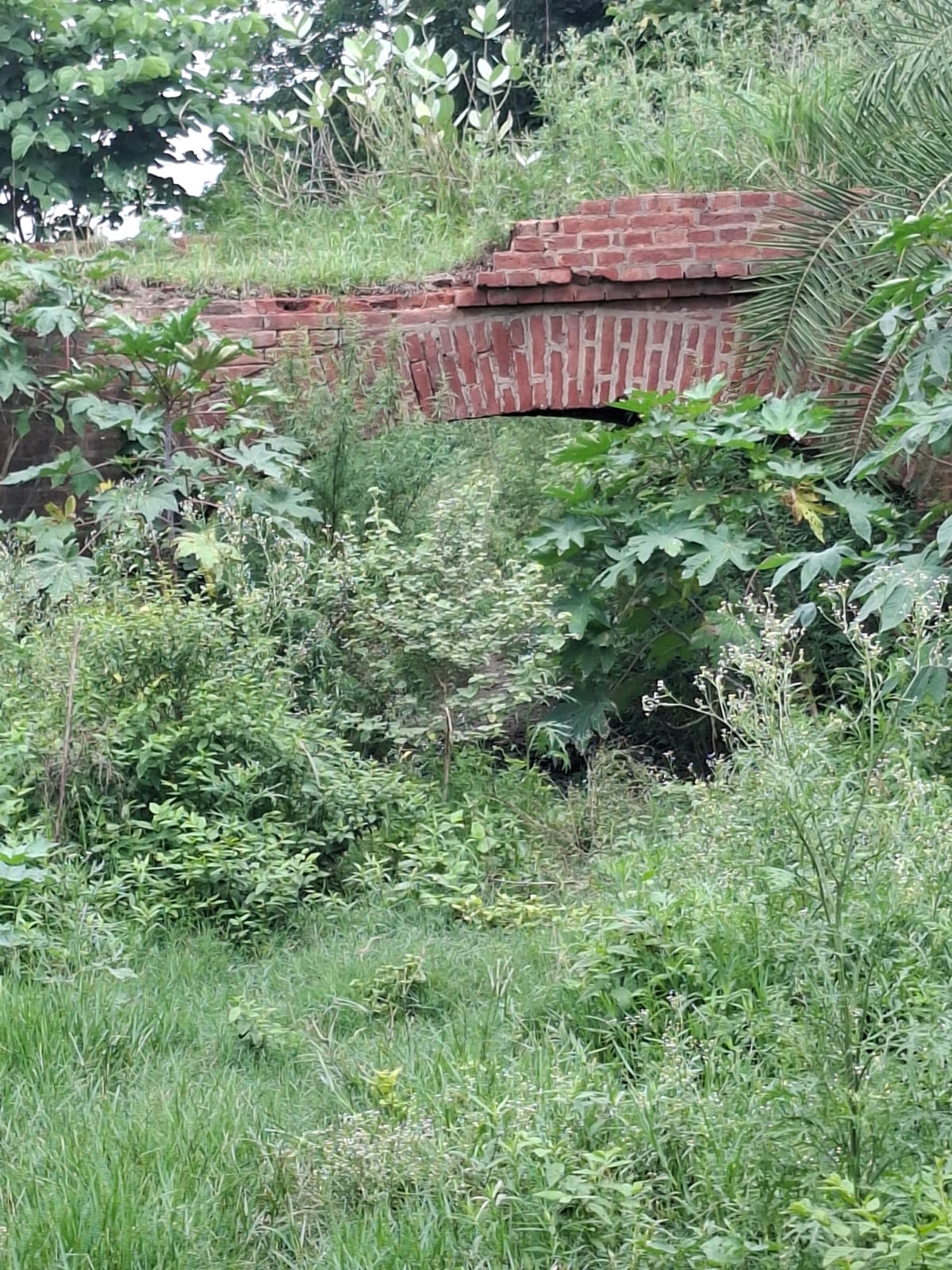
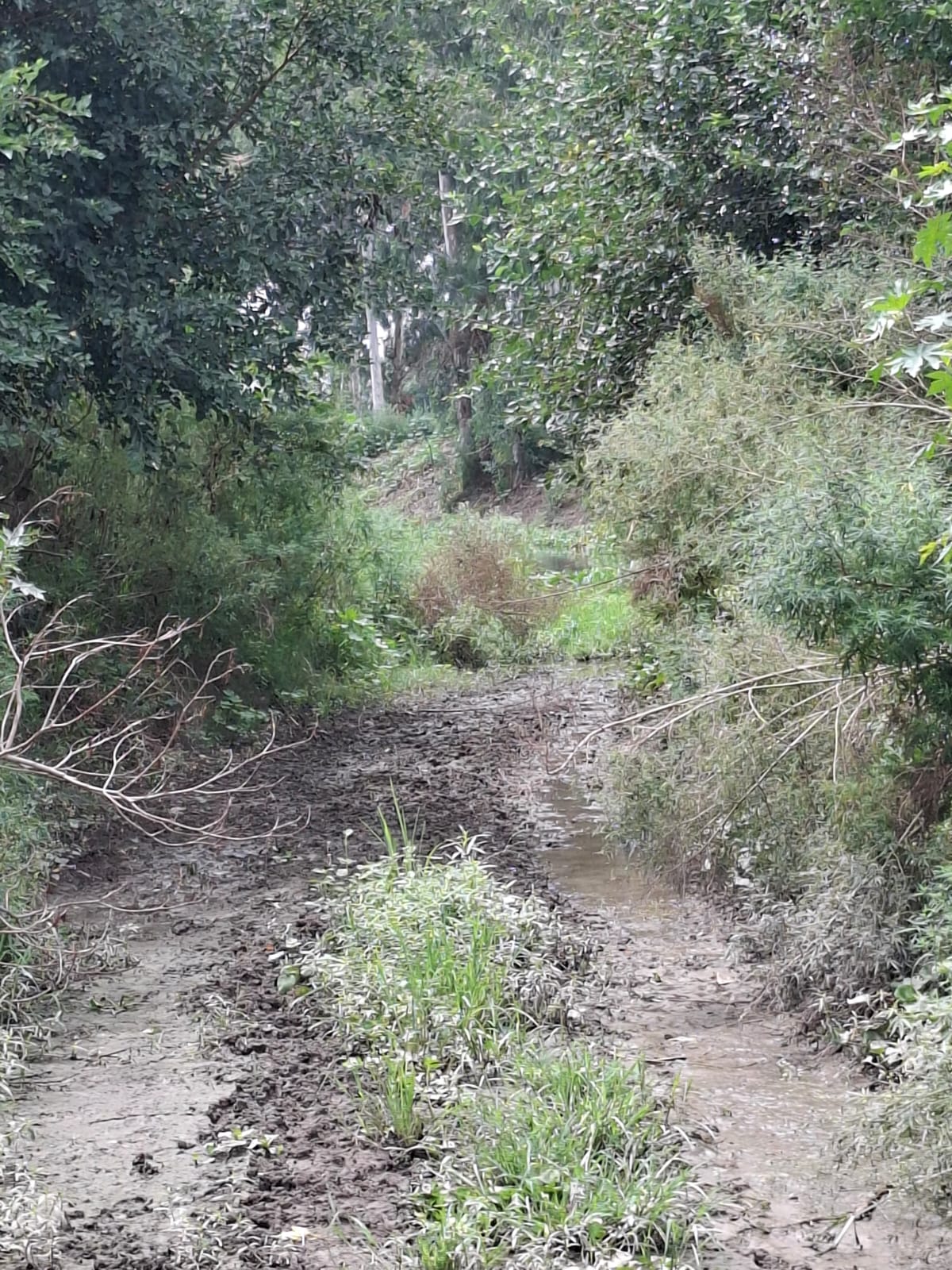
Certain stretches of the drain have become obstructed due to silt deposition, vegetation growth and local encroachments.
*The following actions are recommended*:
- Scientific desilting wherever necessary.
- Removal of encroachments.
- Restoration of the natural width and depth.
- Prevention of dumping of municipal or industrial waste.
- Periodic maintenance before every monsoon.
- Construction of Ecological Check Dams
To maximize water retention, ecological check dams should be constructed at suitable locations.
*Proposed locations*
- North of Machian Kallan Bridge adjoining the new plantation area towards Sekhewal.
- East of Garhi Fazal Bridge before the drain enters Mattewara Jungles.
- These structures will help retain water for extended periods while allowing excess monsoon water to pass safely.
*Expected Environmental Benefits*
Regular availability of water will provide numerous ecological benefits:
- Restoration of Mattewara Jungles.
- Higher survival rate of newly planted native saplings.
- Natural regeneration of indigenous tree species.
- Improved forest health.
- Biodiversity Conservation.
- Sustainable habitats for birds.
- Protection of mammals and reptiles.
- Revival of aquatic biodiversity.
- Enhanced ecological connectivity.
- Groundwater Recharge
- Recharge of subsoil aquifers.
- Improvement in nearby groundwater levels.
- Reduced pressure on tube wells.
- Water Conservation
- Storage of monsoon runoff.
- Utilization of stormwater.
- Controlled use of floodwater.
- Climate Resilience
- Increased carbon sequestration.
- Reduced heat stress.
- Improved local microclimate.
- Enhanced resilience to drought conditions.
*Sustainability of Water Holes*
The existing natural depressions and water holes inside the forests can be maintained throughout the year, ensuring continuous water availability for wildlife.
*Flood Management*
The Mattewara Drain can also function as an important flood management channel by:
Carrying excess monsoon runoff.
Diverting floodwater safely towards the River Satluj.
Reducing flood risk in adjoining villages.
Preventing soil erosion.
*Implementation Strategy*
The project may be undertaken jointly by:
- Department of Forests & Wildlife Preservation, Punjab
- Department of Water Resources
- Department of Drainage
- Department of Rural Development
- Punjab Pollution Control Board
- Local Panchayats
- Public Action Committee (PAC)
- Civil society organisations
- Academic institutions
- Environmental experts
- Community participation should remain central to planning, implementation and long-term monitoring.
*Conclusion*
The revival and scientific management of the Mattewara Drain is not merely a drainage project; it is an ecological restoration initiative. By ensuring a regulated supply of clean water from the Sirhind Canal through the existing drainage network, Punjab can secure the future of the Mattewara Jungles, conserve biodiversity, recharge groundwater, strengthen climate resilience and promote sustainable green growth.
This proposal represents a practical, cost-effective and environmentally sustainable model that can be replicated in other forest ecosystems across Punjab.
*Protect Nature Today – Secure Tomorrow*.
*Sustainable Green Growth Mission*
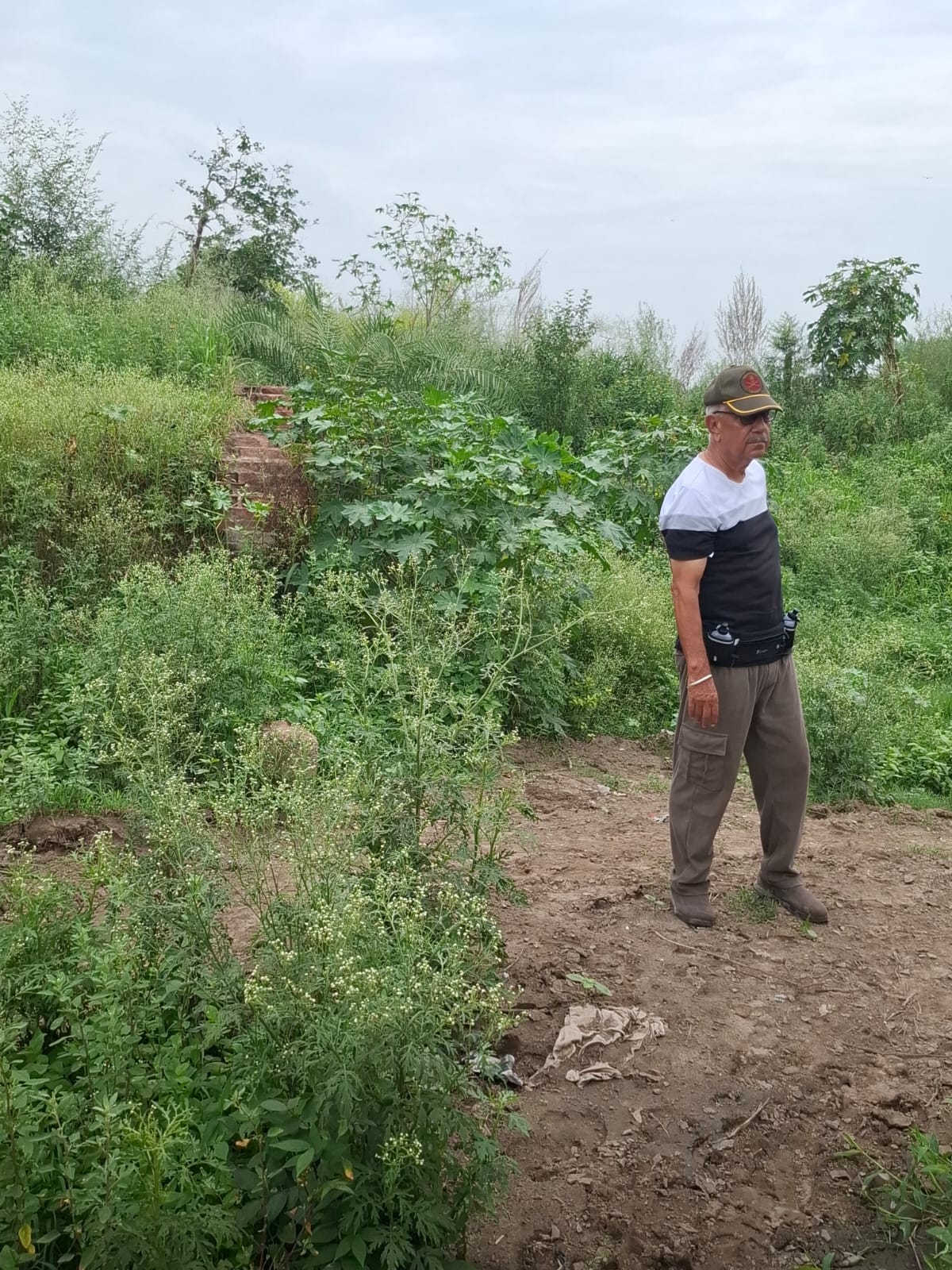
Images of Mattewara Drain Start Point
Col CM Lakhanpal
Member
Public Action Committee (PAC) – Mattewara Jungles, River Satluj and Buddha Darya
Ludhiana
Mob: 94171 38044
—–
Our Gallery