23-10-2026



PAC Calls for a Unified, Time-Bound Plan to End Pollution and Redevelop Central Buddha Darya Corridor
PRESS NOTE
Field assessment identifies industrial, dairy, sewage and solid-waste pressures; recommends electronic monitoring, closure of illegal outlets, protection of drinking-water lines and integrated development.
LUDHIANA: The Public Action Committee (PAC), Mattewara Jungles, River Satluj and Buddha Darya, has called upon the Punjab Government, District Administration, Municipal Corporation Ludhiana (MCL), Punjab Pollution Control Board (PPCB) and other concerned departments to launch a unified, time-bound programme for pollution abatement and comprehensive redevelopment of the Central Buddha Darya corridor.
The appeal follows PAC’s field reconnaissance titled “Recce, Assessment and Vision for Future Development of Ludhiana—A Journey Astride Central Buddha Darya, Part II.”
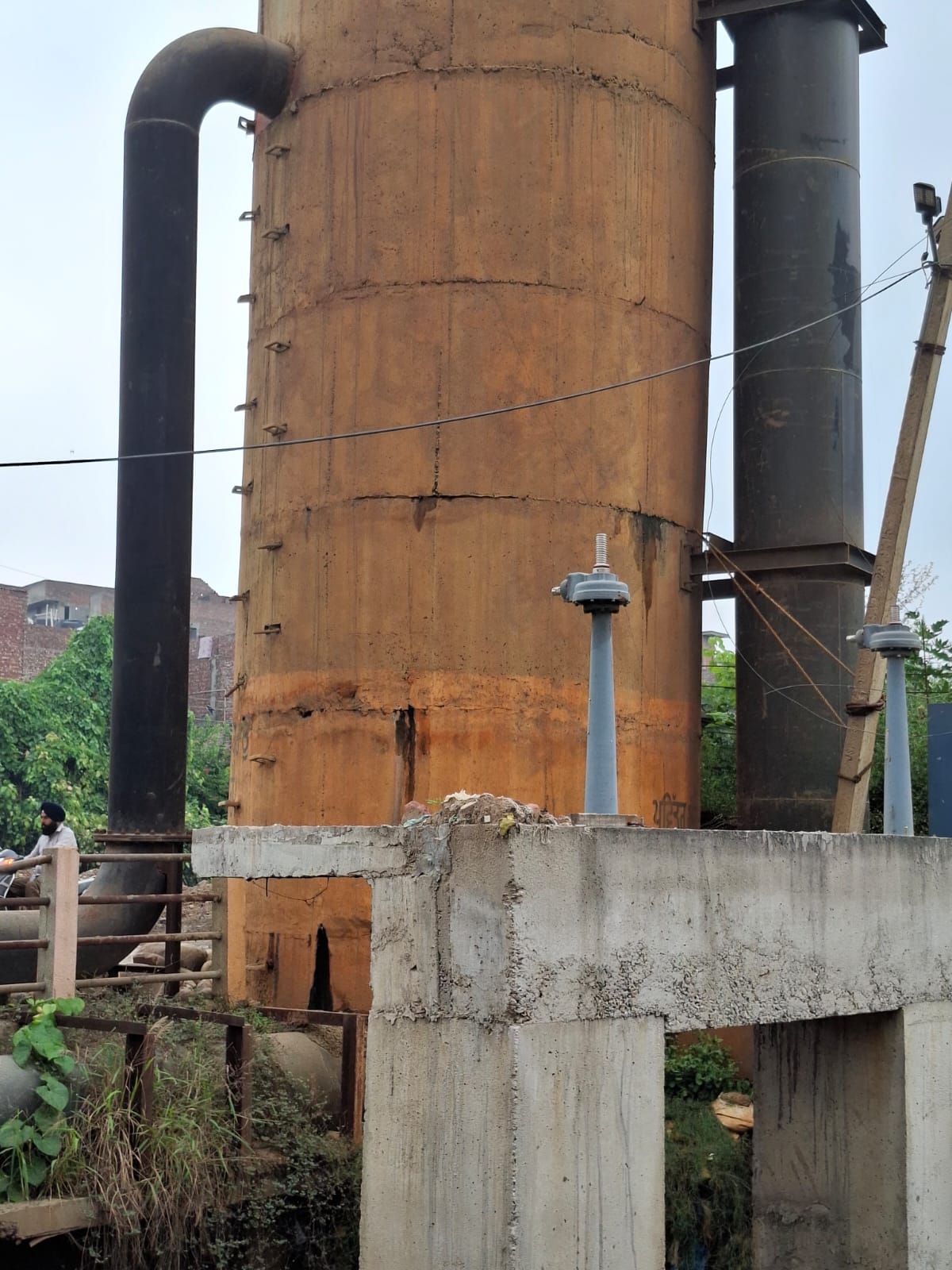
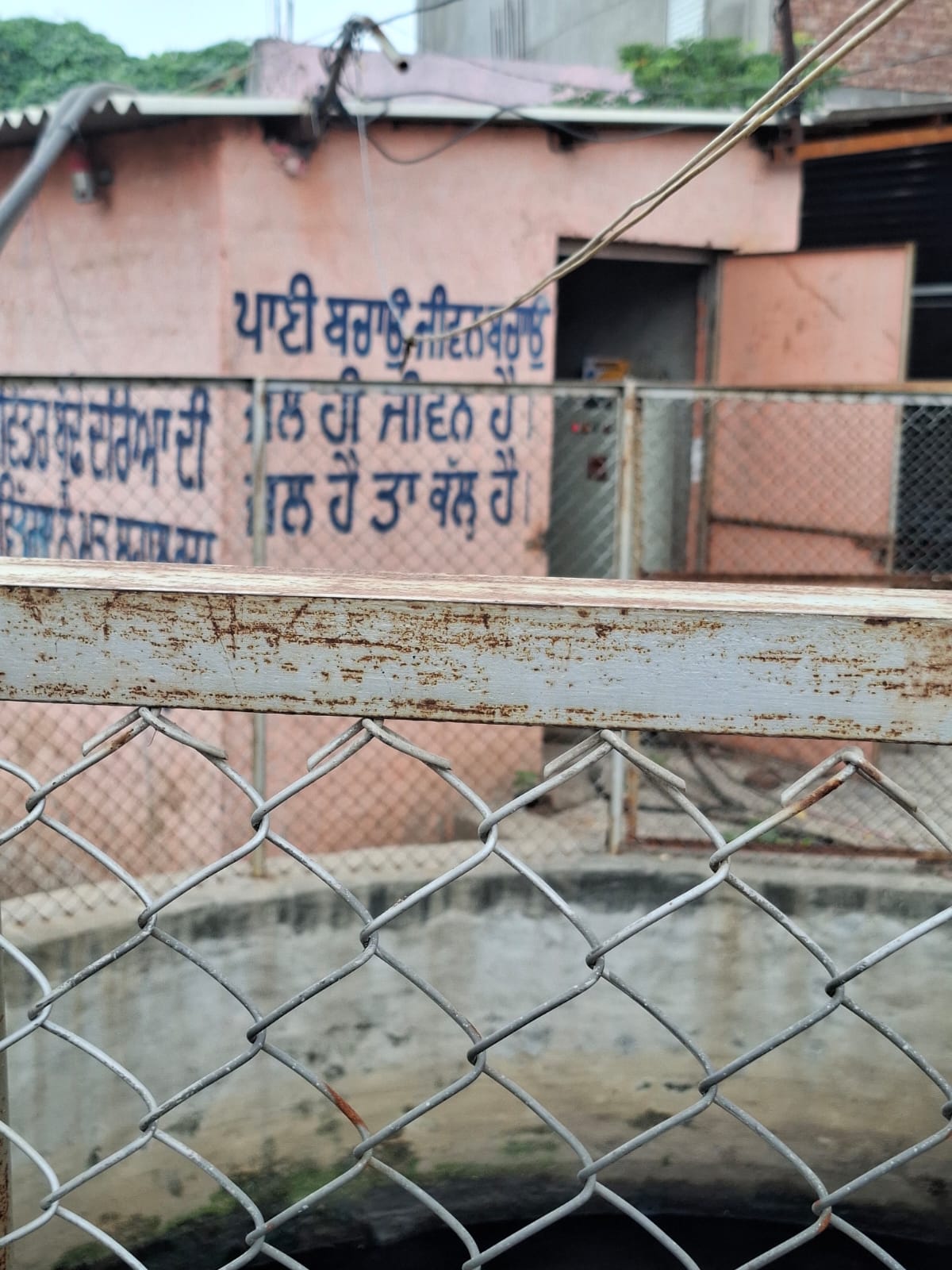
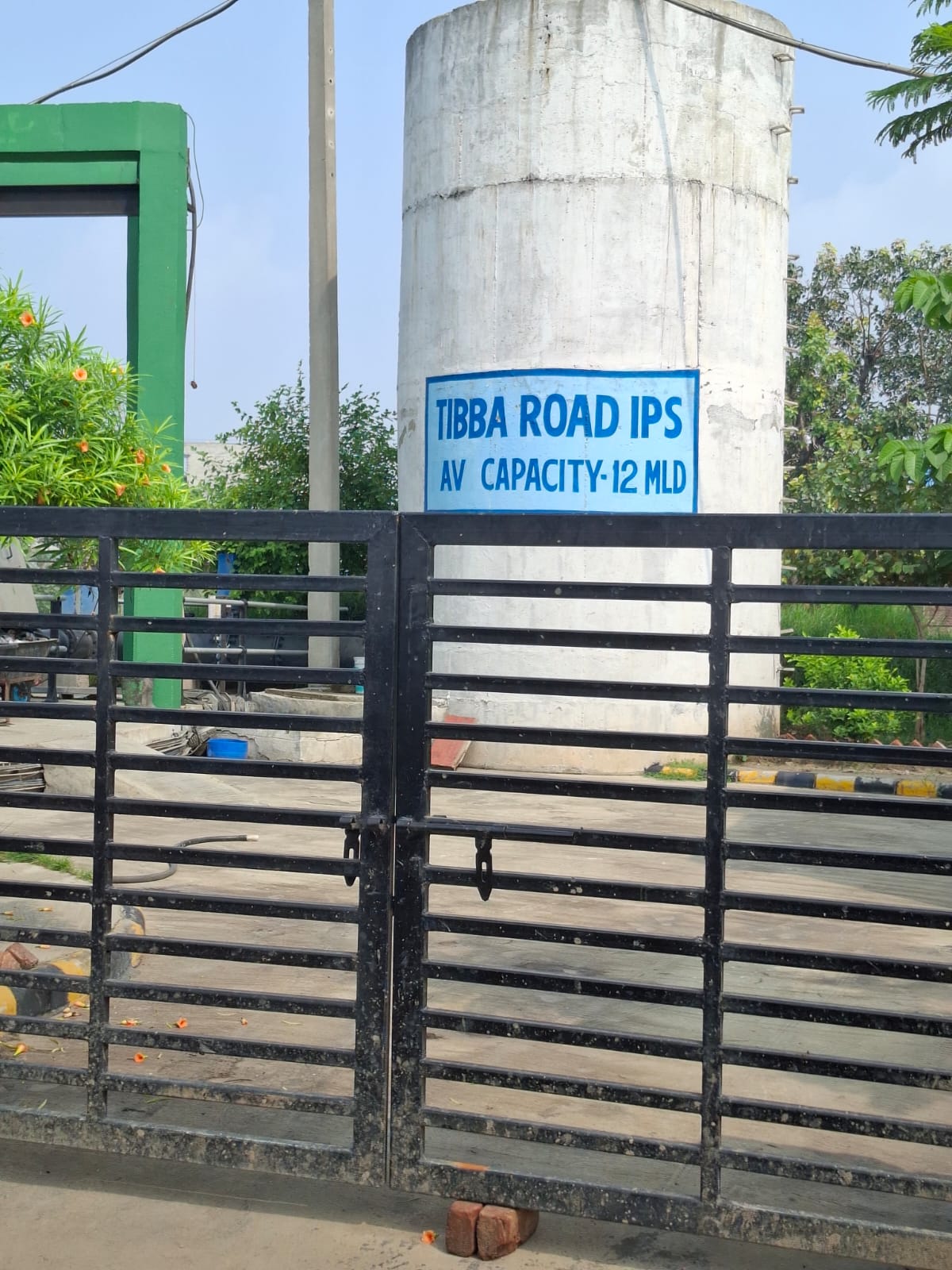
The PAC team examined areas within the municipal limits up to the Jalandhar Bypass–Samrala Chowk Road and beyond, up to Old GT Road. It visited the Intermediate Pumping Stations (IPSs) at Tibba Road, Gaughat and Sunder Nagar, besides the storm-water disposal pumping station near the Tajpur Dairy ETP complex and the Tajpur Dairy Effluent Treatment Plant.
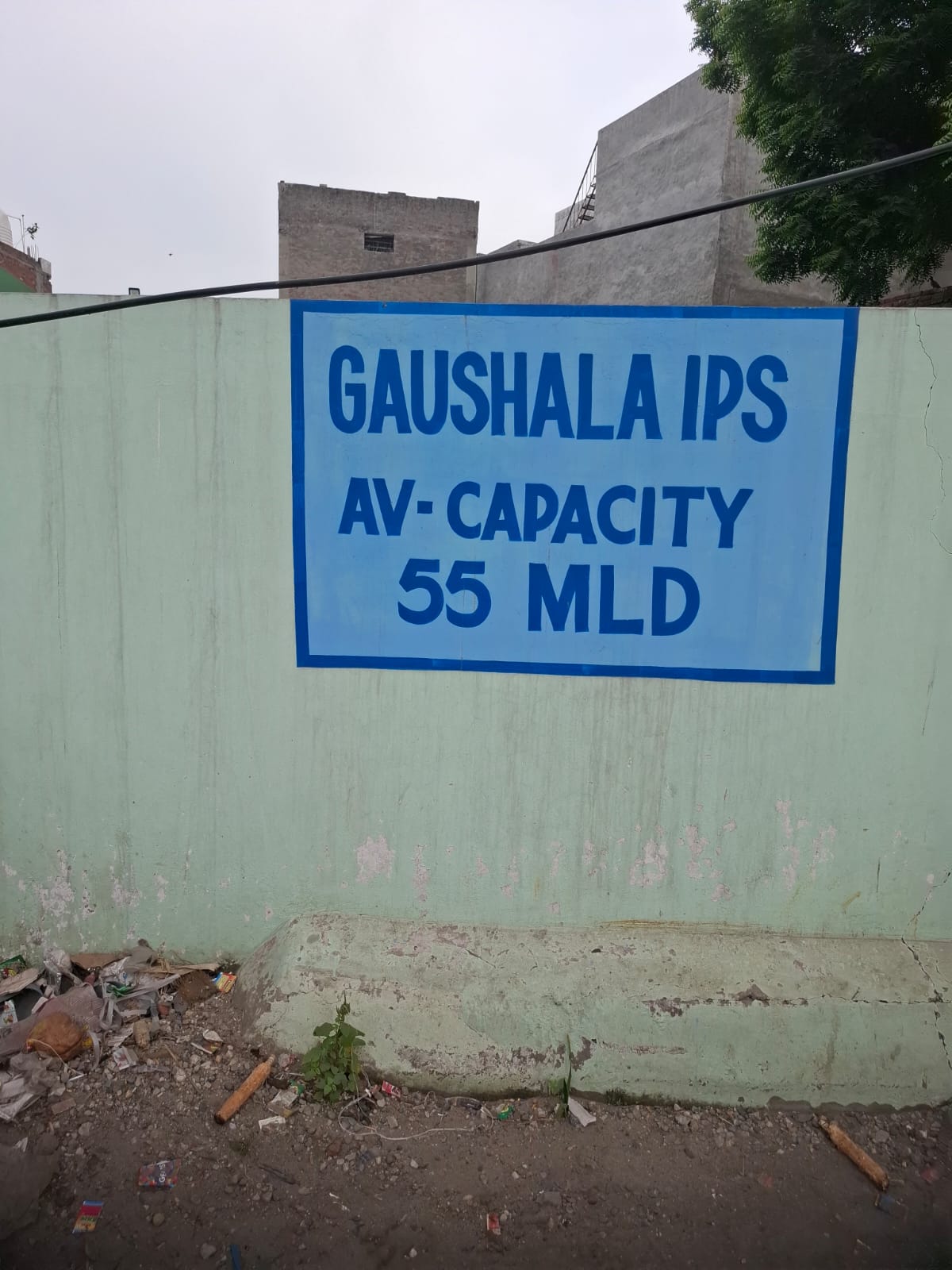
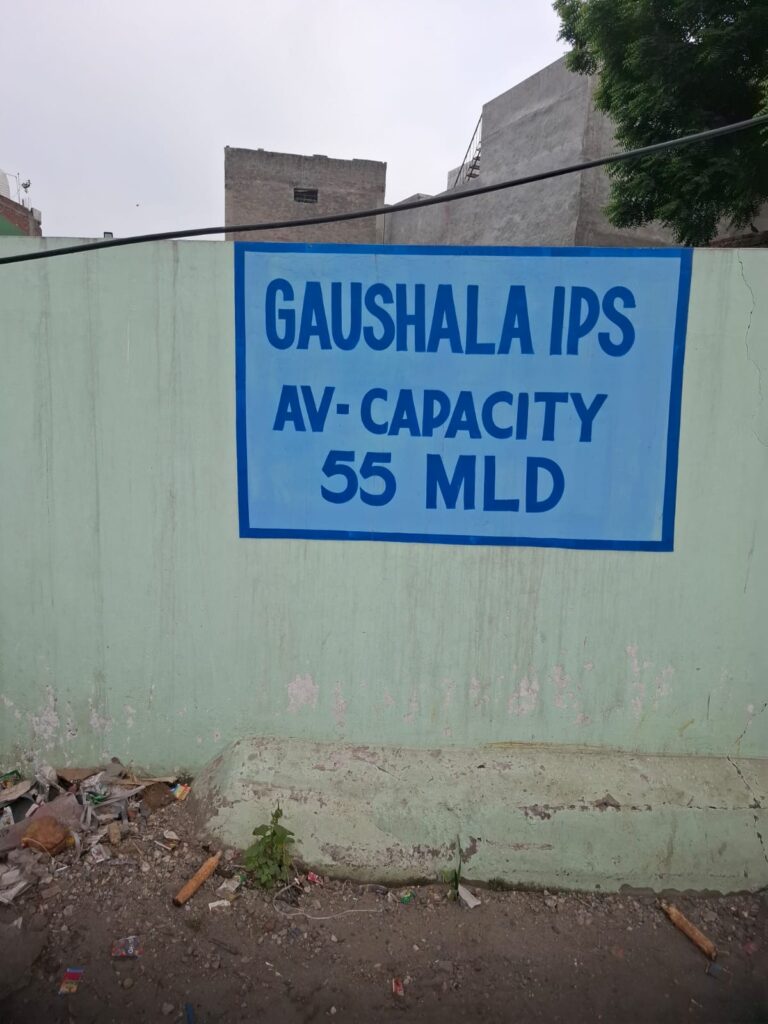
The three IPSs have stated capacities of 27 MLD at Tibba Road, 50 MLD at the interim Gaughat location and 18 MLD at Sunder Nagar. The team also examined the wastewater-conveyance system connected with the 225 MLD Sewage Treatment Plant (STP), including reported pipelines of approximately 48 inches from the Tibba Road side, 66 inches from the Focal Point side and 60 inches from the Bhamian side.
PAC has requested that the capacities, alignments, actual flows, peak hydraulic loads and operating conditions of the entire system be independently verified through official records and a comprehensive hydraulic audit.
1. Multiple Waste Streams Entering the Same System
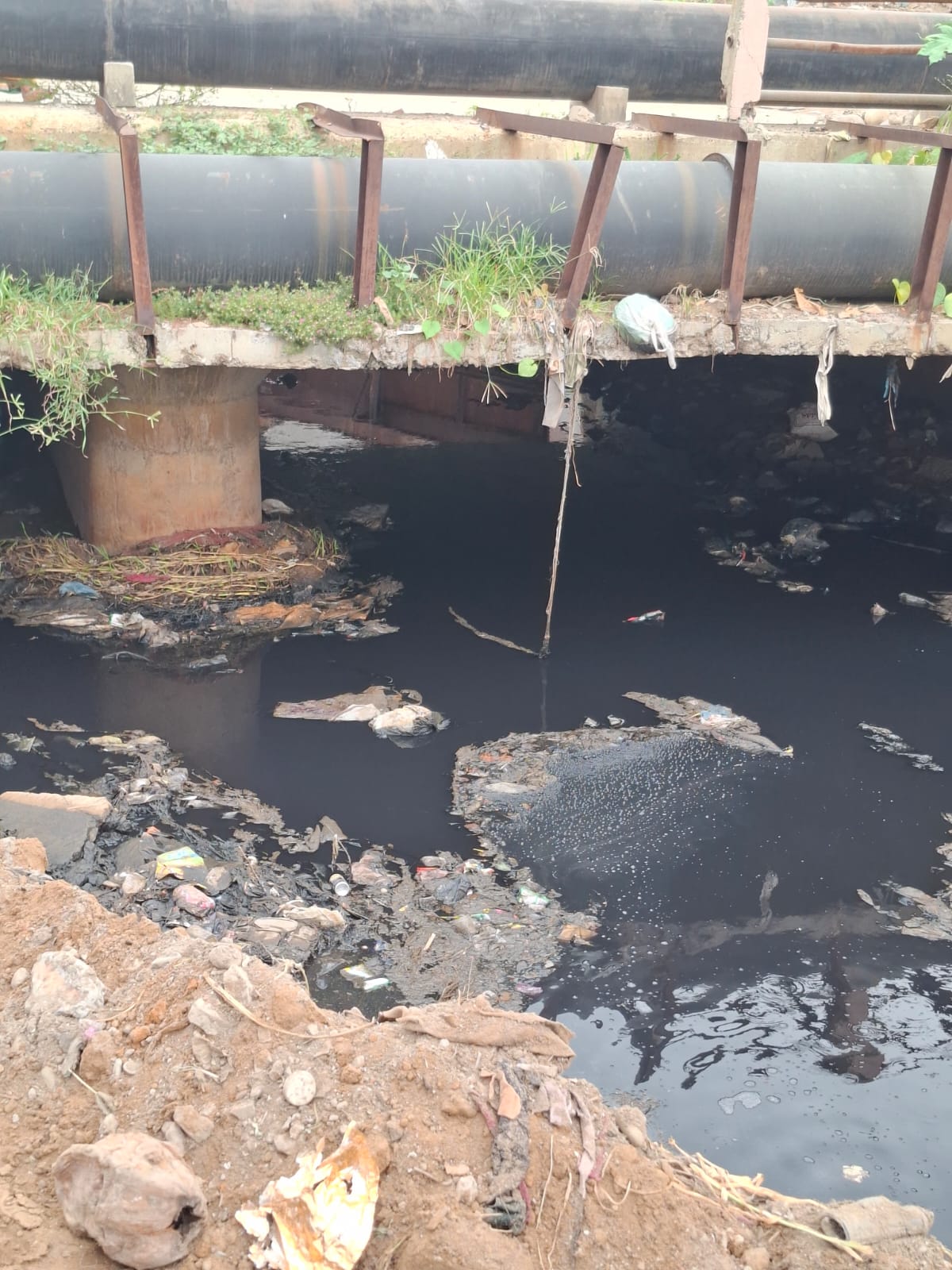
According to the preliminary field assessment, Central Buddha Darya is facing a serious convergence of domestic sewage, suspected industrial chemical discharges, dairy waste, storm water, commercial wastewater and solid waste.
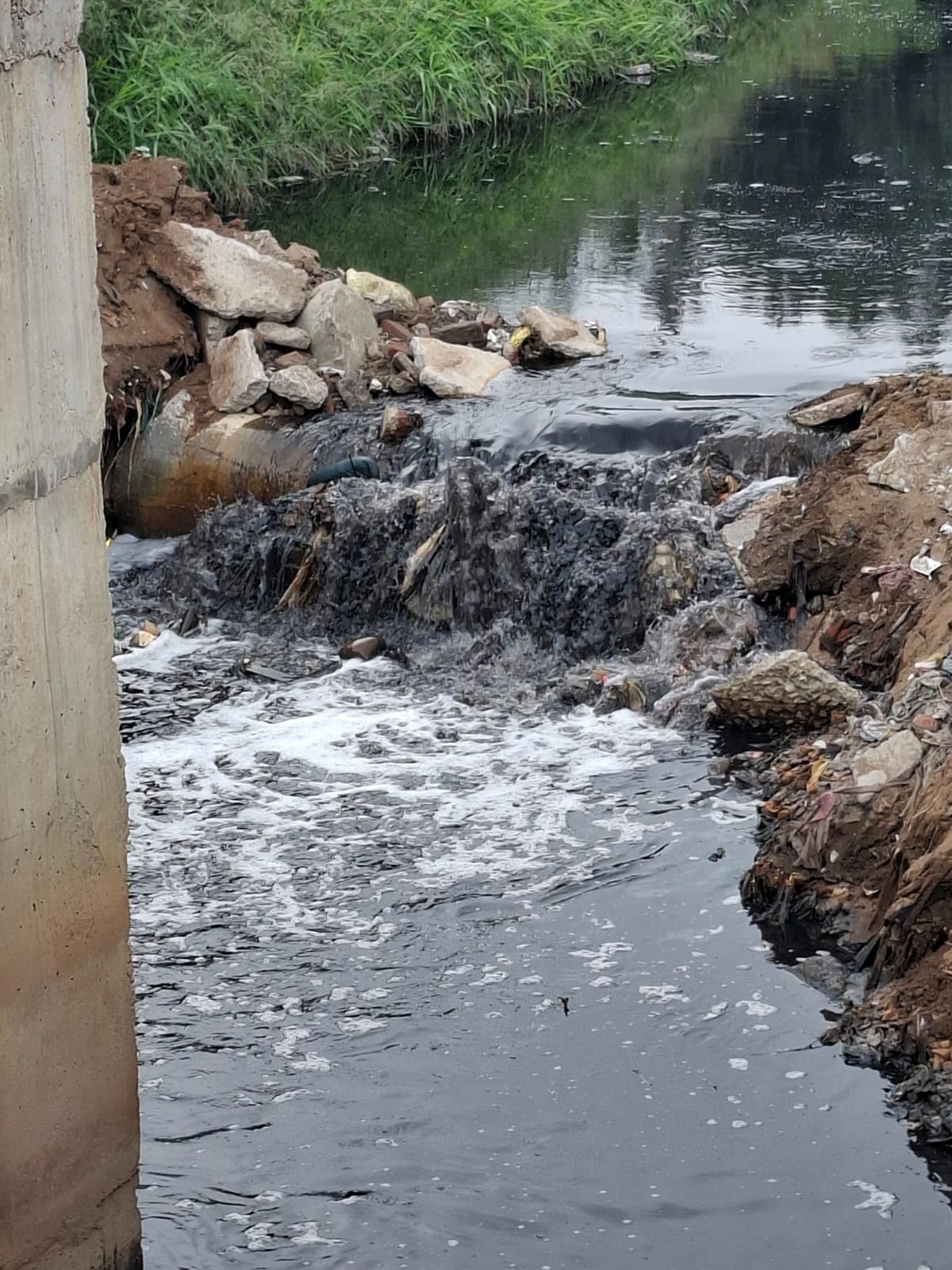
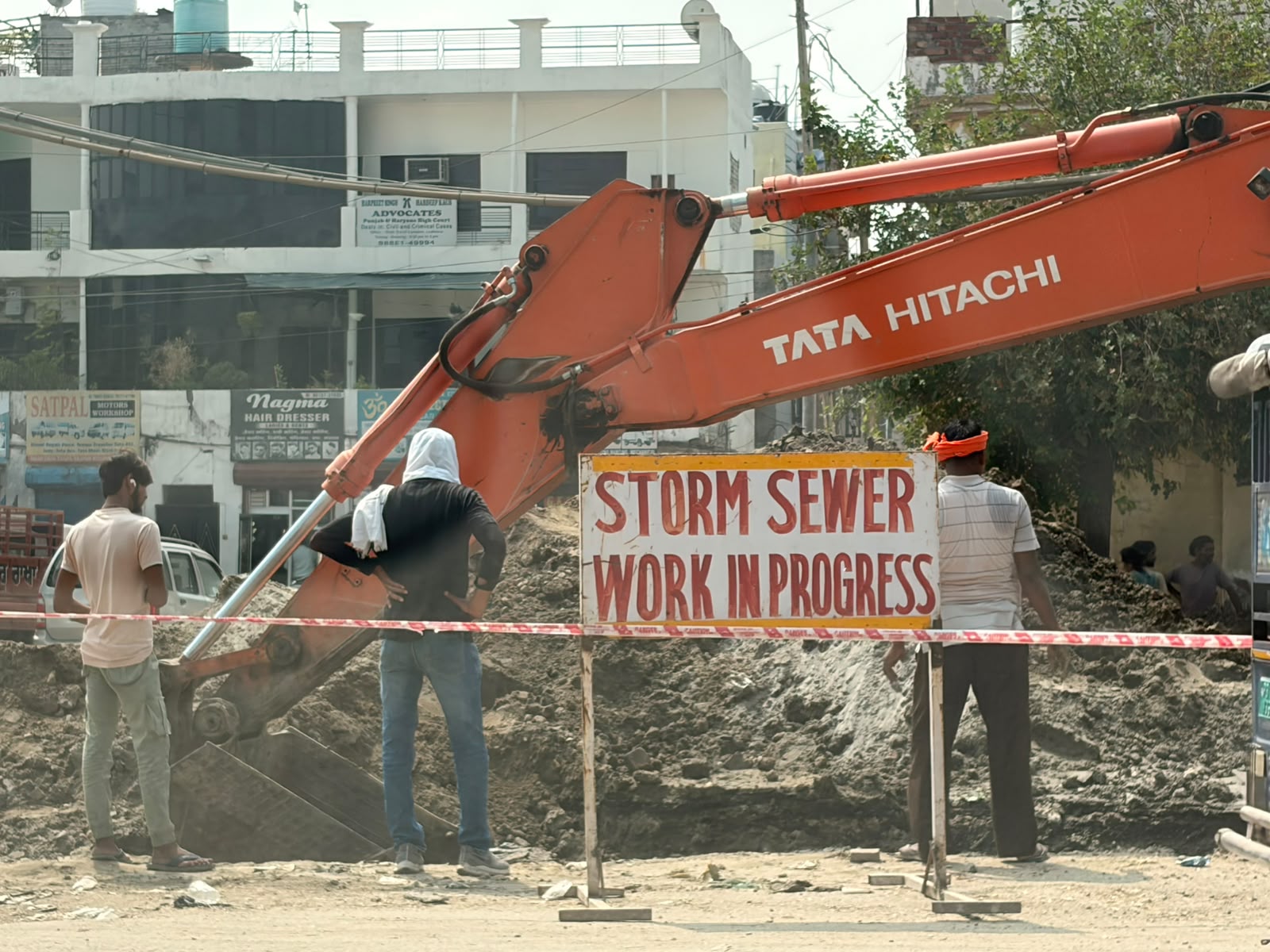
Sewer lines appear to be misused at certain locations for discharging industrial and dairy waste, while storm-water drains and pipelines are reportedly receiving sewage, industrial effluent and wastewater from vehicle-repair and washing workshops.
Such mixing can overload pumping stations and treatment plants, disrupt biological treatment processes and ultimately transfer untreated pollution into Buddha Darya.
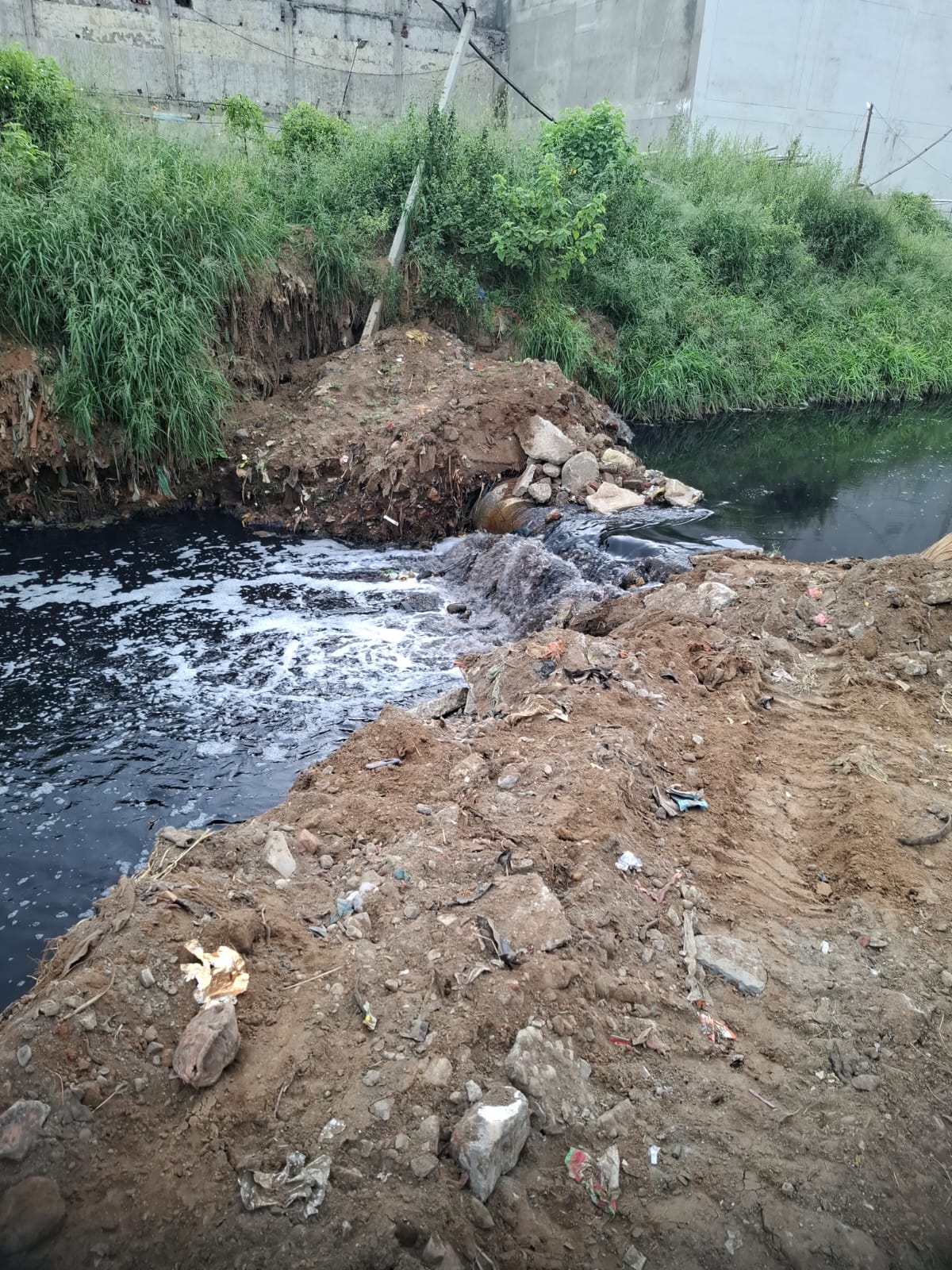
Suspected illegal discharge or dumping points were noticed or reported near Amrit Kanda, Tajpur Dairy Complex Bridge-II and other locations. Discharges from dairies, gaushalas, fish and meat-market activities, and a sewer outlet near Gurdwara Gaughat Sahib also require immediate official investigation, geo-tagging, scientific sampling and source tracing.
2. Grave Conditions Around Gaughat
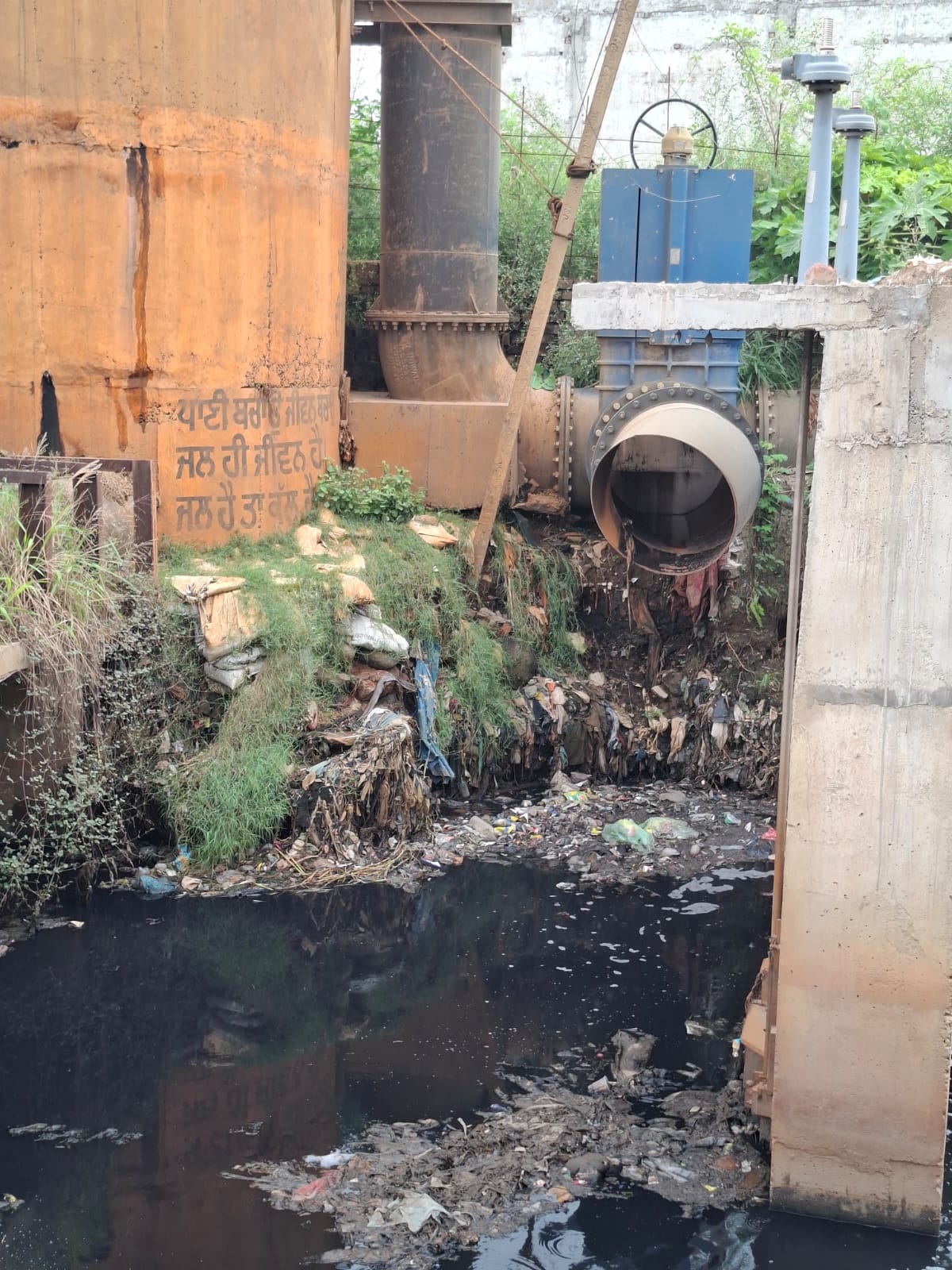
The Gaughat drain was found carrying untreated wastewater, waste material and suspected effluent flowing from or through the Transport Nagar, Malhar Road and Gaughat areas. Only part of this flow appeared to be intercepted by the interim IPS.
The old 50 MLD pumping station was seen conveying wastewater towards the pipeline connected with the 225 MLD STP. However, work at the proposed permanent IPS site reportedly remains stalled due to litigation.
PAC has urged the administration to pursue an early, lawful resolution of the matter or examine a technically suitable alternative location.
Until permanent infrastructure is commissioned, the interim pumping arrangement must have adequate capacity, standby pumps, backup power, storage, flow measurement, odour control and a transparent bypass-monitoring system.
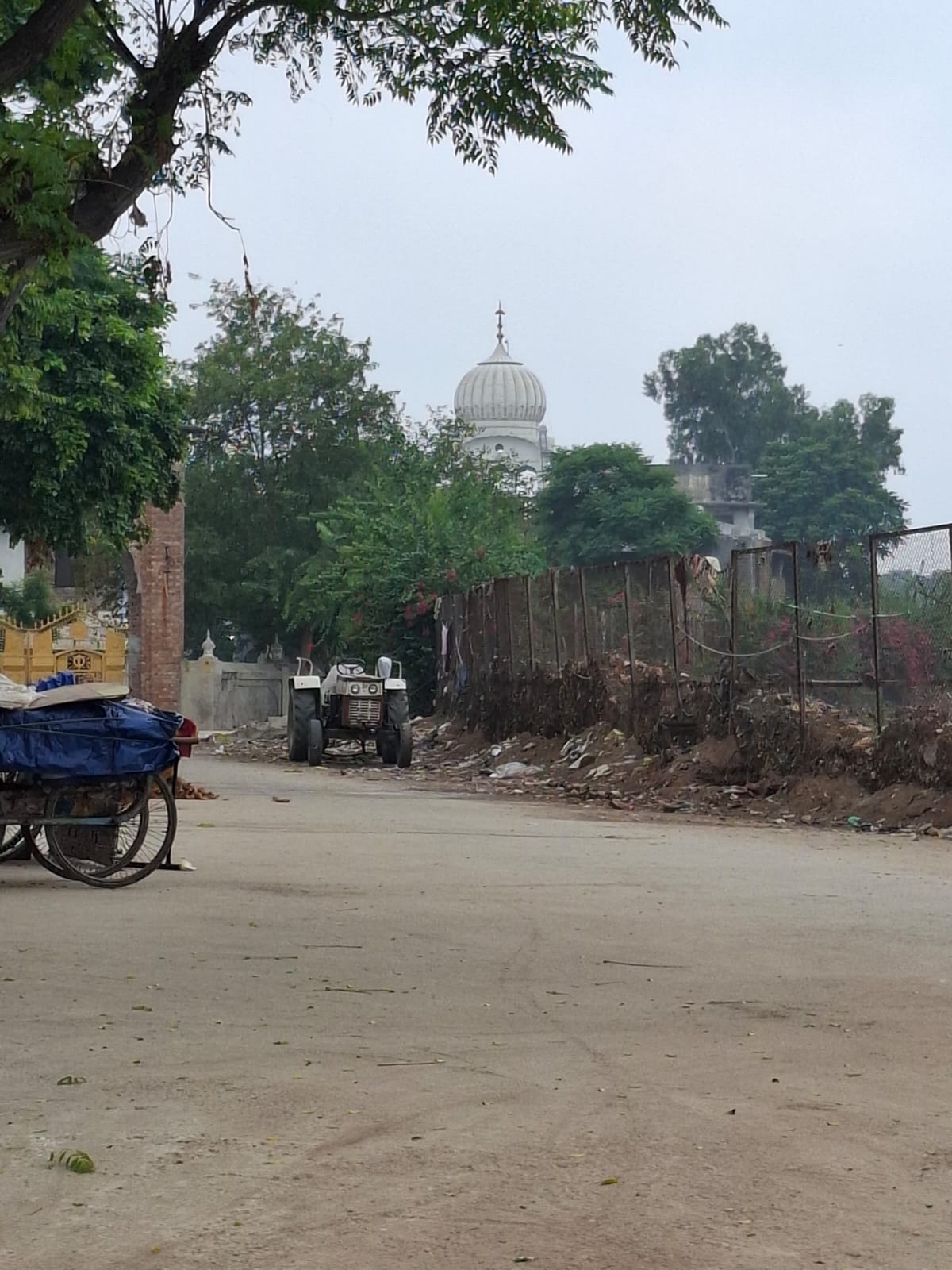
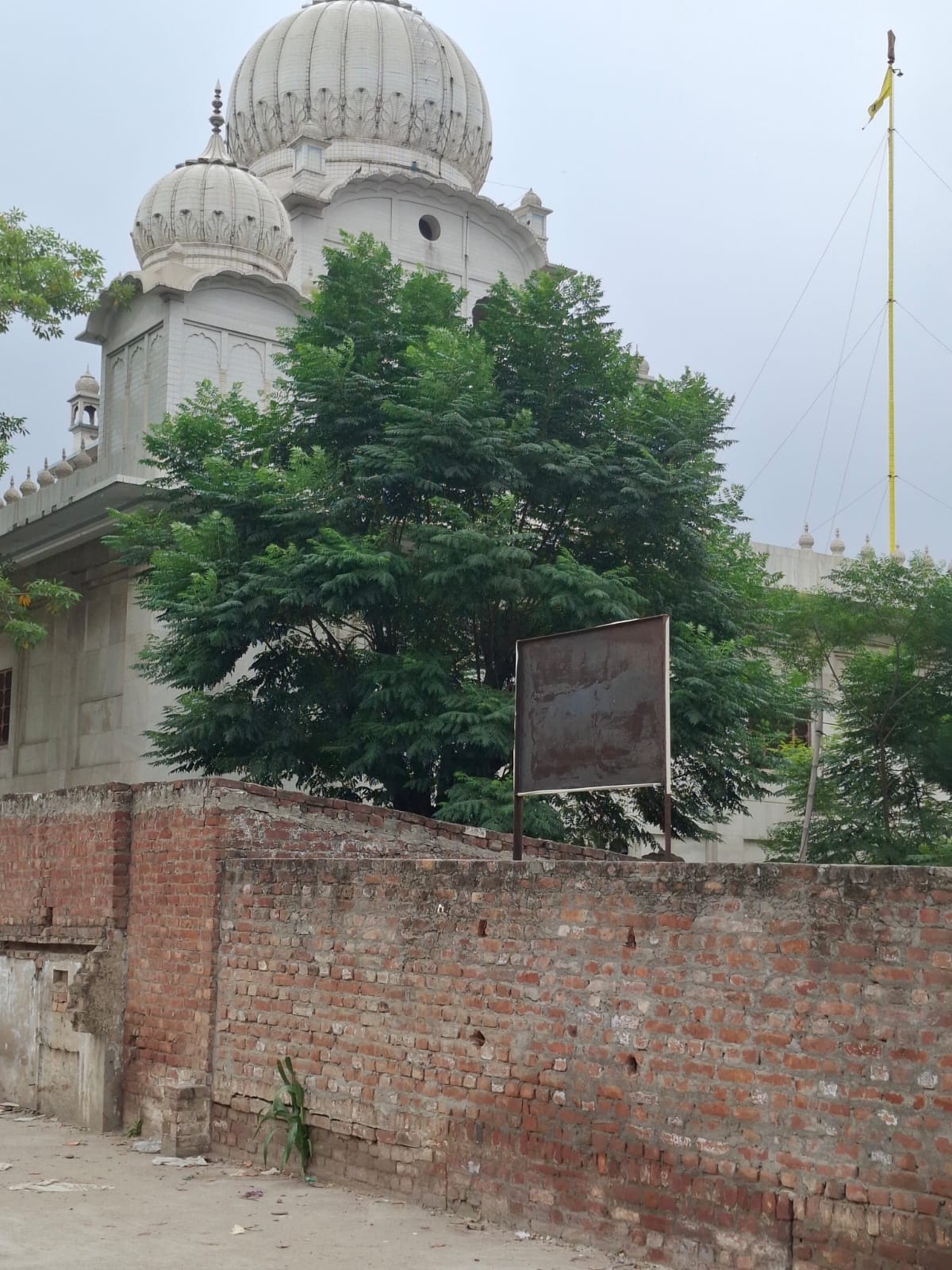
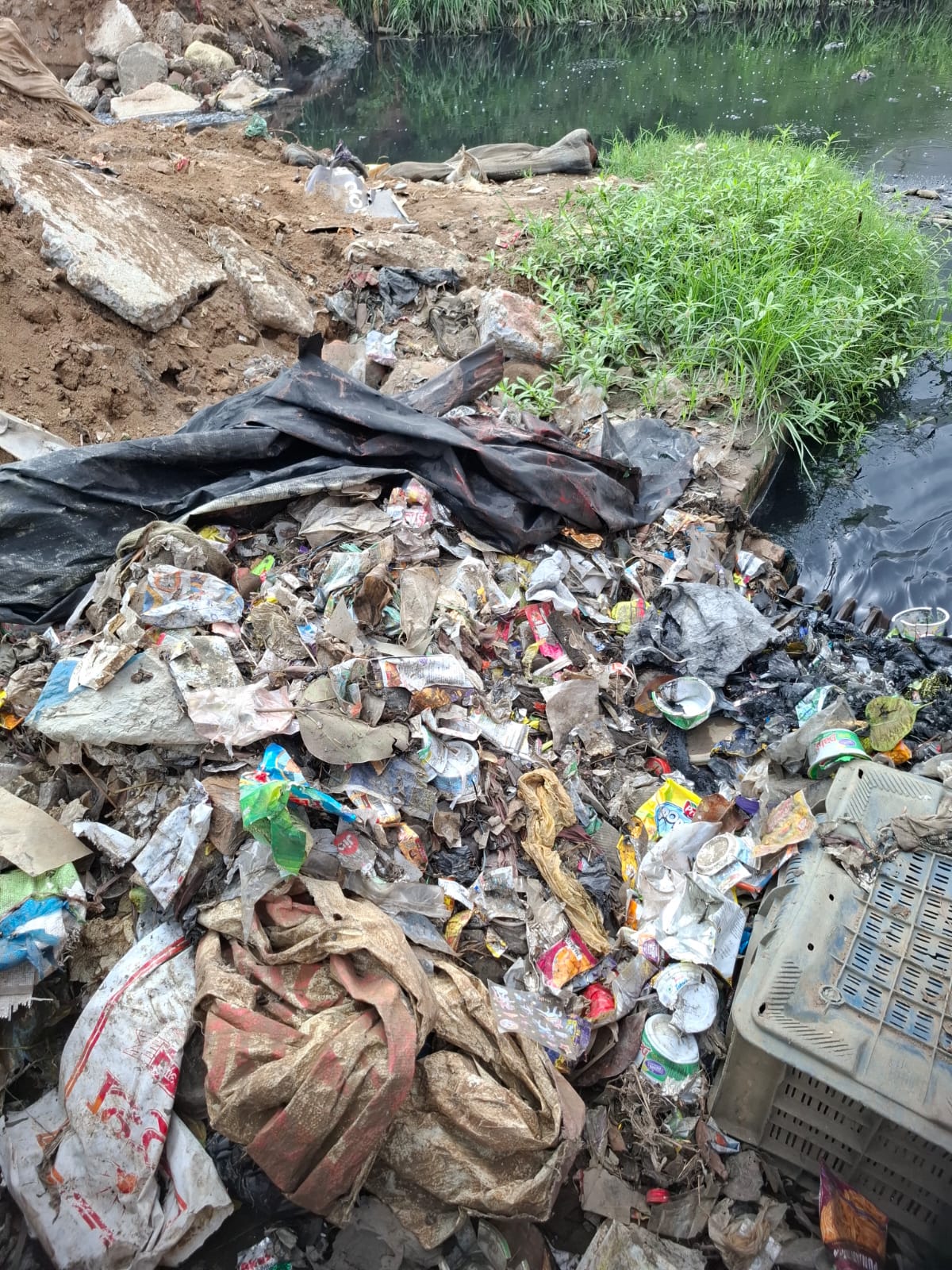
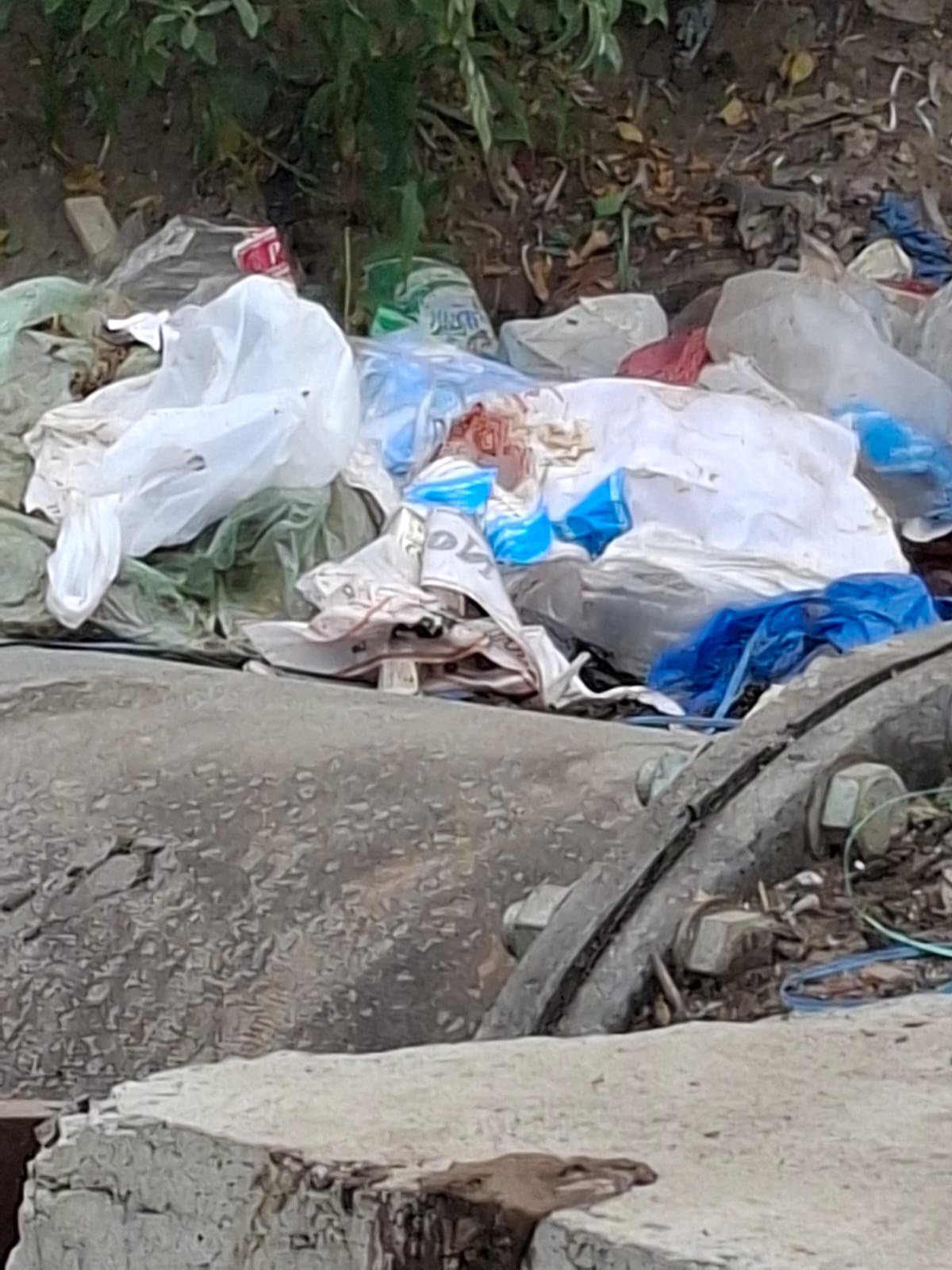
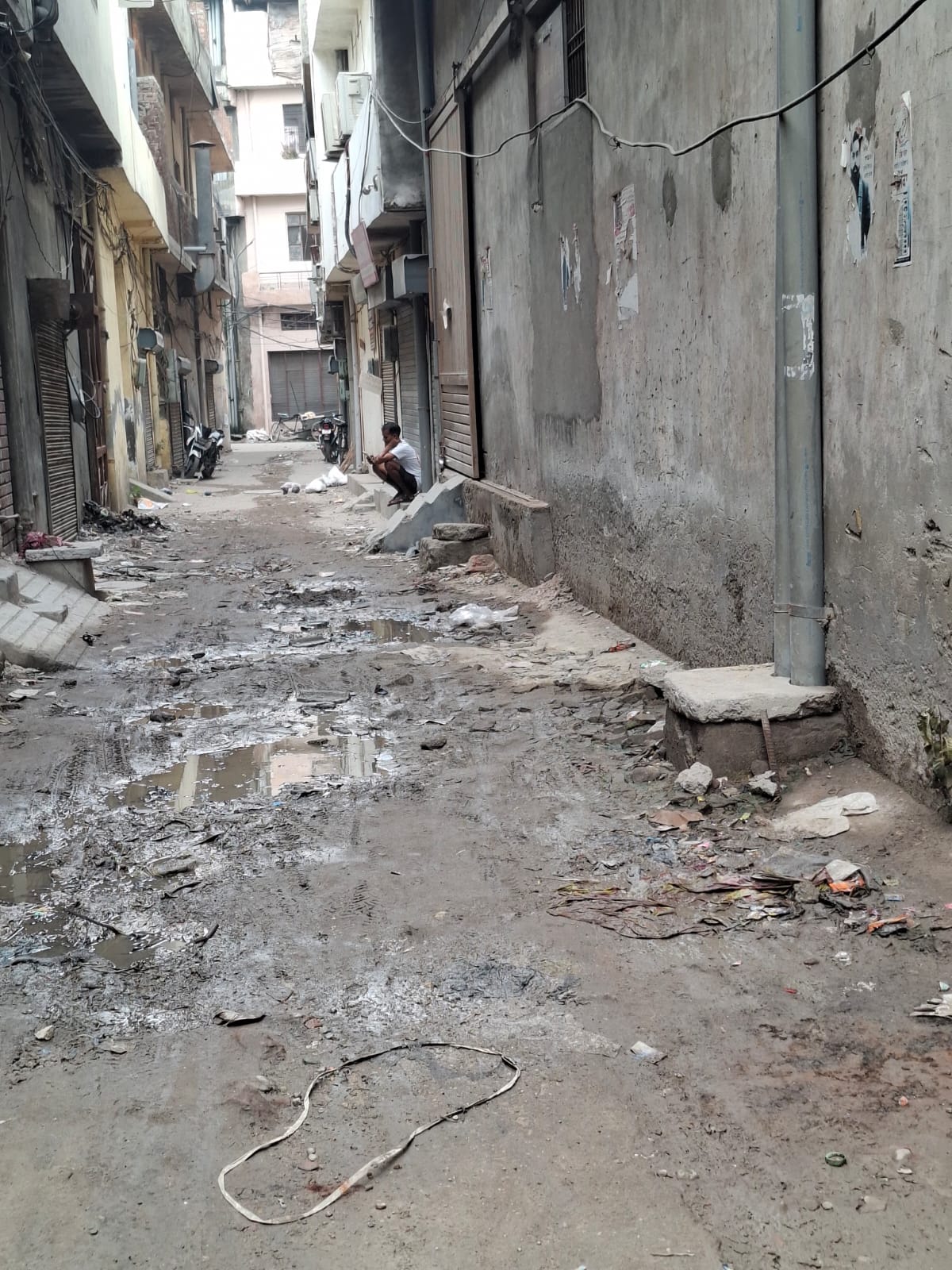
The newly constructed concrete road behind Gurdwara Gaughat Sahib was found affected by widespread dumping of scattered waste. The surroundings of the historic Gurdwara Sahib and nearby Shiv Mandir presented a deeply disturbing picture of black, foul-smelling wastewater, accumulated garbage, insanitary conditions and emerging encroachments.
The sanctity of religious places and the health and dignity of neighbouring communities cannot be allowed to suffer because of administrative fragmentation and continuing pollution.
3. Emergency Bypasses Must Be Recorded
PAC expressed concern over reports that untreated wastewater is released from IPSs during rainfall as an emergency measure and that such releases may occur more frequently than genuine emergencies warrant.
The Committee has demanded that every emergency bypass be equipped with a tamper-evident motorised gate, calibrated flow meter, time-stamped camera and automatic alert system.
Every bypass event must record:
- Cause and duration of the discharge.
- Total volume discharged.
- Rainfall conditions.
- Electricity and equipment status.
- Receiving drain or water channel.
- Officer authorising the discharge.
The information should be included in a publicly accessible monthly report. Unauthorised bypasses must result in institutional and individual accountability.
4. Night-Time Discharges Require Investigation
PAC also noted an apparent substantial increase in wastewater flow at night compared with daytime discharge. At some locations, the night-time flow was reported to be more than double the daytime volume.
This observation must be scientifically verified through continuous, calibrated flow and water-quality monitoring for at least 30 days, covering dry-weather and rainfall conditions.
If confirmed, the pattern could help identify deliberate off-hour industrial discharge, irregular pumping arrangements or previously unrecorded inflows.
5. Convert IPSs into Electronic Early-Warning Stations
PAC recommended that the Tibba Road, Gaughat and Sunder Nagar IPSs be converted into electronic early-warning stations to detect abnormal chemical loads before they reach and disrupt the 225 MLD STP.
The stations should be equipped with continuous instruments for monitoring:
- Flow.
- pH.
- Electrical conductivity or Total Dissolved Solids (TDS).
- Temperature.
- Oxidation-reduction potential.
- Other technically justified indicators.
Automatic samplers should collect wastewater samples whenever abnormal readings are detected.
Accredited laboratories should periodically test samples for Biochemical Oxygen Demand (BOD), Chemical Oxygen Demand (COD), suspended solids, oil and grease, ammonia, sulphides, colour and relevant heavy metals or priority pollutants based on the industries operating within each catchment.
Electronic sensors should serve as an early-warning mechanism; they cannot replace laboratory analysis, field inspections or legally sustainable sampling procedures.
6. Map Every Industry, Dairy and Polluting Connection
PAC has sought a GIS-based pollution and infrastructure map covering:
- Every industrial unit, its manufacturing process, water consumption, consent status, ETP capacity and authorised discharge route.
- Every dairy and gaushala, including animal population and arrangements for managing dung and wastewater.
- Fish, meat and poultry markets and their organic-waste disposal systems.
- Domestic sewers, storm-water drains, cross-connections and overflow points.
- Pumping stations, trunk lines, emergency outlets and receiving treatment plants.
- Solid-waste dumping hotspots and encroachments.
- Drinking-water pipelines exposed to contaminated drains.
Every industrial connection entering the municipal sewer must be authorised, individually identifiable and monitored. Municipal sewerage cannot be allowed to operate as an unregulated substitute for an industrial ETP or Common Effluent Treatment Plant (CETP).
Industries found discharging untreated effluent should face closure, environmental compensation and electricity-disconnection proceedings in coordination with PPCB and Punjab State Power Corporation Limited (PSPCL), following proper sampling, documentation and due process.
Applicable Zero Liquid Discharge requirements and other consent conditions must be strictly enforced and verified through water balances, flow meters, operational records, residue-disposal records and surprise inspections.
7. Separate Management of Dairy and Gaushala Waste
PAC recommended the complete separation of cattle dung and high-strength dairy waste from the sewer network.
A reliable system of collection, covered transportation, weighment and delivery to authorised processing facilities must be established. The failure of collection arrangements must not be allowed to push dairy waste back into sewers, roads or Buddha Darya.
The feasibility of decentralised or clustered biomethanation, compressed biogas, composting and nutrient recovery should be assessed scientifically. Such projects must be based on assured feedstock, land availability, odour control, digestate management and financial viability.
Energy recovery from sewage sludge, solar panels, energy-efficient pumps and variable-frequency drives at suitable pumping and treatment facilities should also be evaluated.
8. Regulate Fish and Meat Markets
All formal and informal fish, meat and poultry markets along the corridor should be surveyed.
Authorised markets must be provided with hygienic infrastructure, washable surfaces, screened drains, solids and grease interception, suitable storage and scheduled collection of organic waste.
Illegal markets discharging waste into Buddha Darya should be dealt with lawfully, accompanied where appropriate by planned relocation and livelihood safeguards.
9. Drinking-Water and Electrical Safety
PAC observed drinking-water pipelines running alongside dirty open drains. The Committee has demanded an urgent sanitary and pressure-integrity survey, immediate repair of leakages, and microbiological and chemical testing at representative consumer points.
Vulnerable sections should be rerouted, sleeved, raised or otherwise protected against contamination.
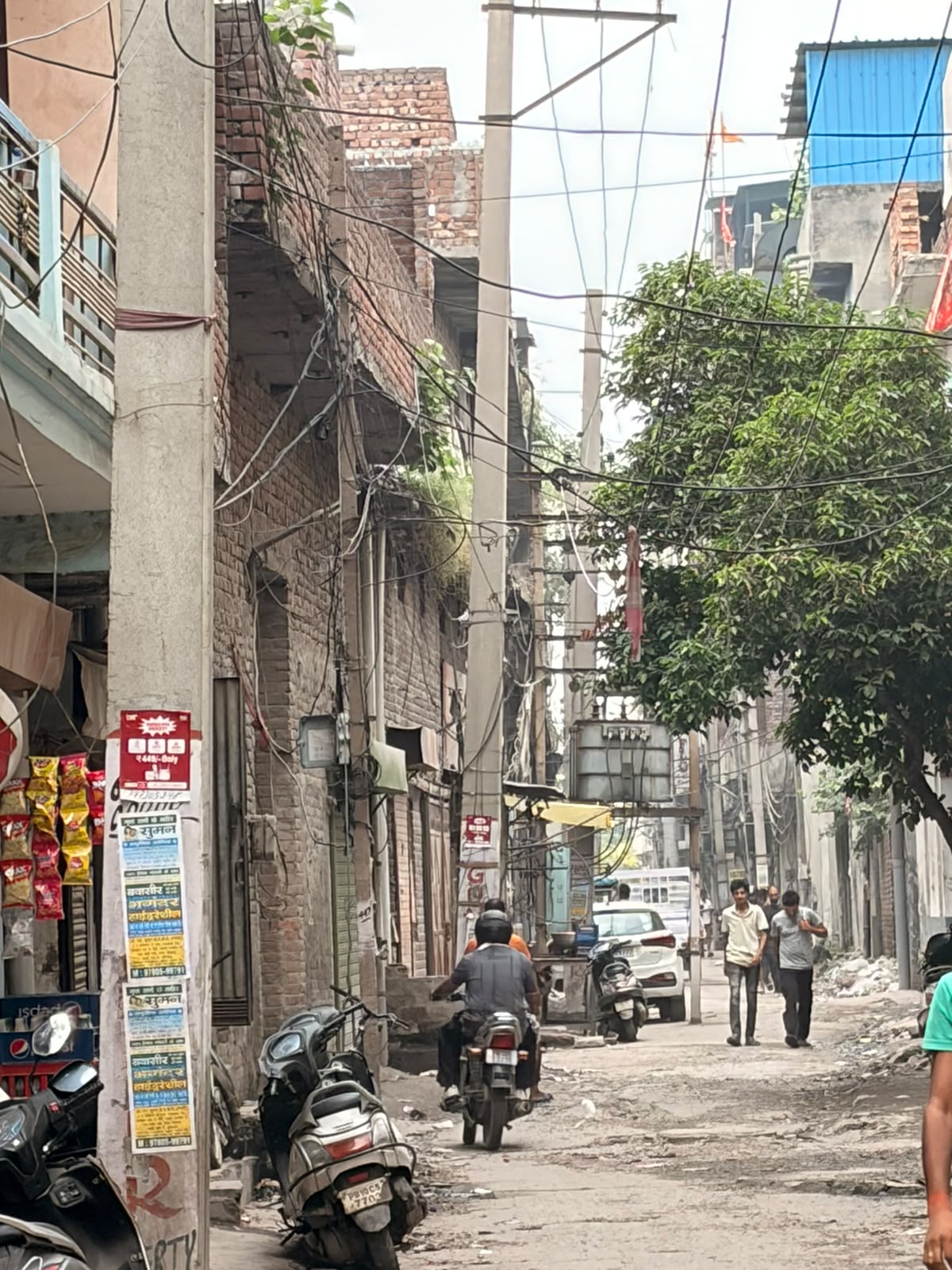
A joint inspection by MCL, PSPCL and the Fire Department has also been proposed for narrow streets containing industrial establishments, transformers and electrical lines.
Underground cabling may be considered where technically feasible. Protected relocation, aerial bundled cables, load rationalisation or other approved safety arrangements may be more suitable at other locations.
10. Integrated Development Plan Required
PAC emphasised that the crisis cannot be resolved through isolated construction projects, occasional cleaning drives or beautification alone.
It has proposed a Central Buddha Darya Clean, Green and Healthy Corridor Plan, integrating:
- Elimination of pollution at source.
- Separation of sewage, storm water and industrial effluent.
- Reliable operation of IPSs, STPs, ETPs and CETPs.
- Zero illegal dumping and universal door-to-door waste collection.
- Ecological restoration and scientifically planned native plantation.
- Safe reuse of treated wastewater.
- Hygienic and properly developed markets.
- Safe roads, lighting, sanitation and emergency access.
- Lawful removal or rehabilitation of encroachments.
- Restoration of areas around religious and community institutions.
- Circular-economy opportunities involving dung, organic waste, recyclables, treated water, sludge, biogas and solar energy.
Beautification must follow pollution abatement and hydraulic restoration. Cosmetic development cannot substitute for stopping untreated waste at its source.
11. Unified Task Force and Public Accountability
PAC has requested the Deputy Commissioner, Ludhiana, to constitute a unified task force comprising the District Administration, MCL, PPCB, Punjab Water Supply and Sewerage Board, GLADA, PSPCL, Police, Health Department, Dairy Development Department, technical institutions and community representatives.
The task force should maintain one geo-referenced pollution map, one action register and one public performance dashboard.
The dashboard should disclose:
- Hourly flows at the IPSs and 225 MLD STP.
- Bypass events and estimated volumes.
- Treatment-plant inlet and outlet quality.
- Abnormal sensor alerts and action taken.
- Illegal outlets identified and sealed.
- Inspections, sampling and enforcement action.
- Dairy and market waste collected and processed.
- Recurring garbage-hotspot status.
- Project milestones, responsible departments and completion dates.
Quarterly verification by an independent academic or technical institution should be mandatory.
Every action must identify the responsible agency, supporting departments, allocated budget, starting date, completion date and measurable outcome.
12. PAC Seeks Immediate Decisions
PAC has urged the authorities to:
- Order a joint, time-bound investigation of pollution sources and network cross-connections.
- Install electronic monitoring and automatic sampling at the three IPSs and other critical locations.
- Establish a transparent and accountable protocol for every emergency bypass.
- Conduct continuous day-and-night flow monitoring to identify off-hour discharges.
- Permanently close verified illegal outlets and take stringent action against repeat polluters.
- Restore sanitation around Gurdwara Gaughat Sahib, Shiv Mandir and other sensitive locations.
- Resolve the permanent Gaughat IPS issue and strengthen the interim system without delay.
- Prepare dedicated dairy, gaushala, fish-market and meat-market waste-management plans.
- Protect drinking-water pipelines and undertake public-health surveillance in vulnerable areas.
- Launch a funded, time-bound Central Buddha Darya corridor-development programme with independent verification and public monitoring.
Statement by PAC
“The condition of Central Buddha Darya is not merely a drainage problem. It is a combined environmental, public-health, infrastructure and urban-governance emergency.
Success must be measured not by expenditure, announcements or visible construction alone, but by verified reduction in pollution, elimination of illegal discharges, reliable treatment performance and visible improvement in the quality of life of communities living along Buddha Darya.”
— Advocate Yogesh Khanna
Public Action Committee (PAC)
PAC has offered its constructive cooperation for joint inspections, technical consultations, community mobilisation and periodic monitoring in the larger public interest.
ISSUED BY
Col. CM Lakhanpal
Member, Public Action Committee (PAC)
Mattewara Jungles, River Satluj and Buddha Darya, Ludhiana
Mobile: 94171 38044
Our Gallery