


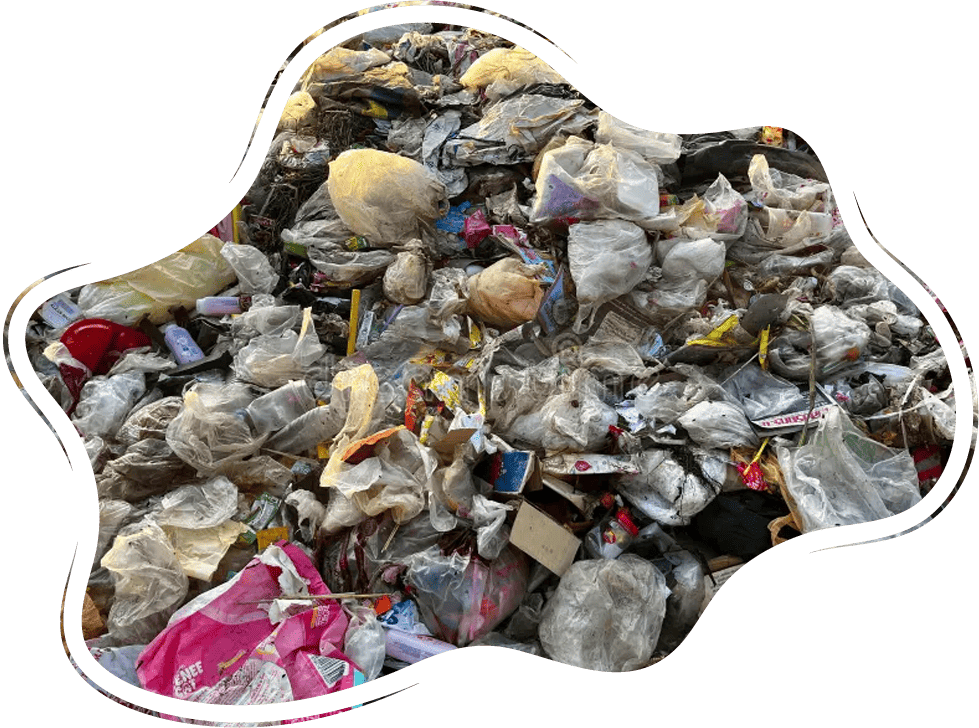
About Waste Management
Responsible Waste. Cleaner Communities. Sustainable Future.
Effective garbage management is essential for protecting public health, preventing air and water pollution, and maintaining ecological balance. Mismanaged waste leads to toxic emissions, groundwater contamination, disease spread, and environmental degradation. A scientific, structured, and community-driven waste management system is critical for sustainable development.
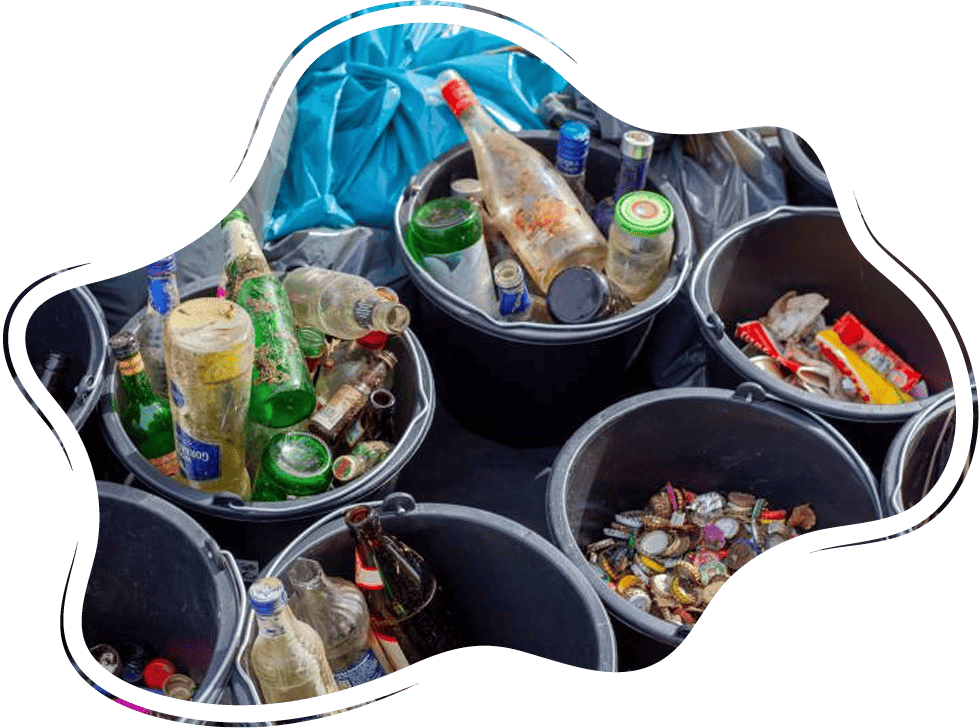
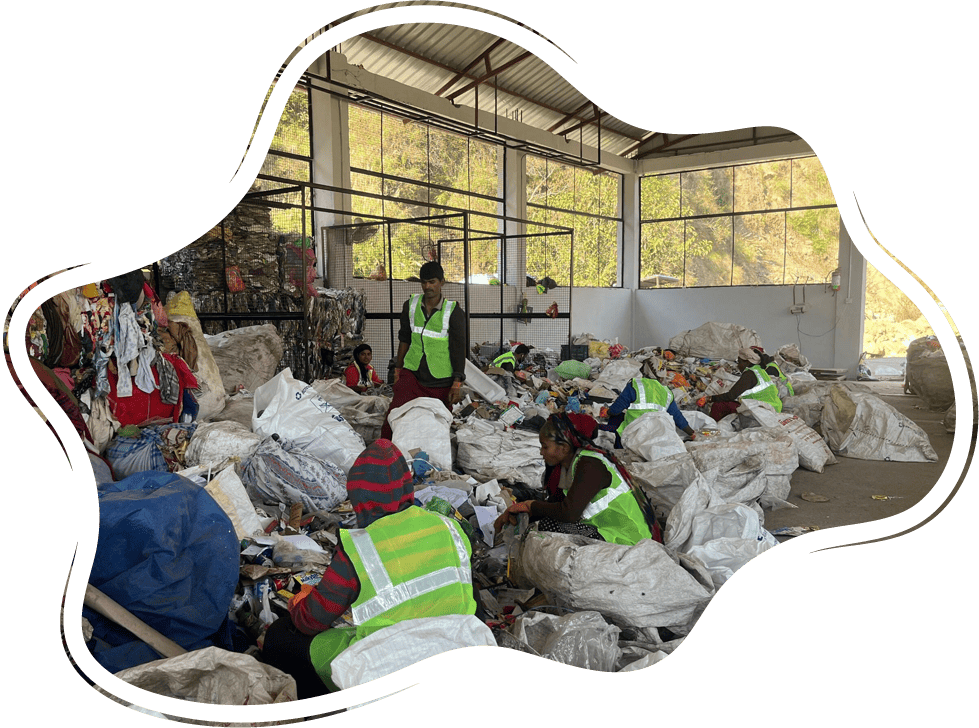
Segregation
Segregation at source is the foundation of efficient waste management.
Waste should be separated into:
- Wet Waste (biodegradable kitchen waste, food scraps)
- Dry Waste (paper, plastic, metal, glass)
- Hazardous Waste (batteries, chemicals, sanitary waste, e-waste)
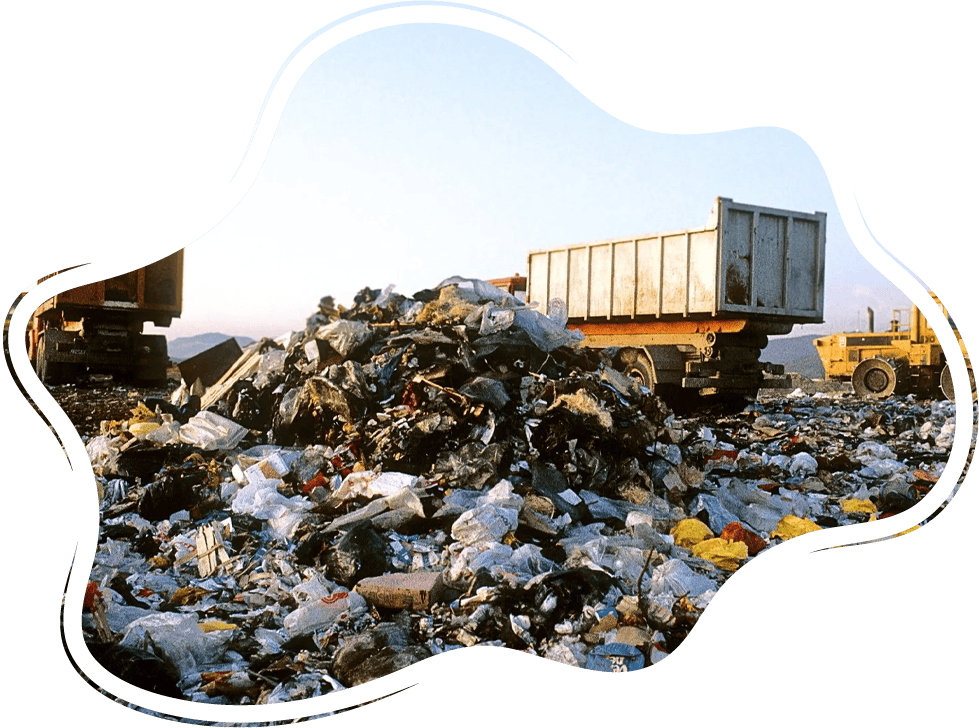
Collection
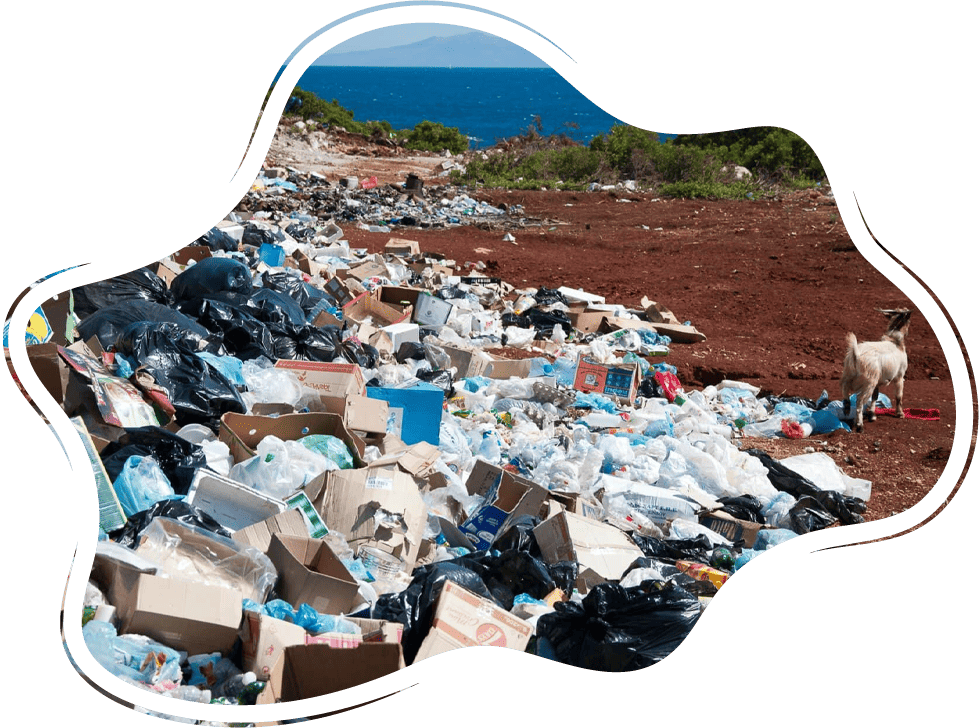
A structured and timely waste collection system prevents open dumping and burning.
Key Focus Areas:
- Door-to-door segregated waste collection
- Separate transportation for wet and dry waste
- Safe handling of hazardous waste
- Monitoring of municipal waste contractors
- GPS tracking and transparency in waste logistics
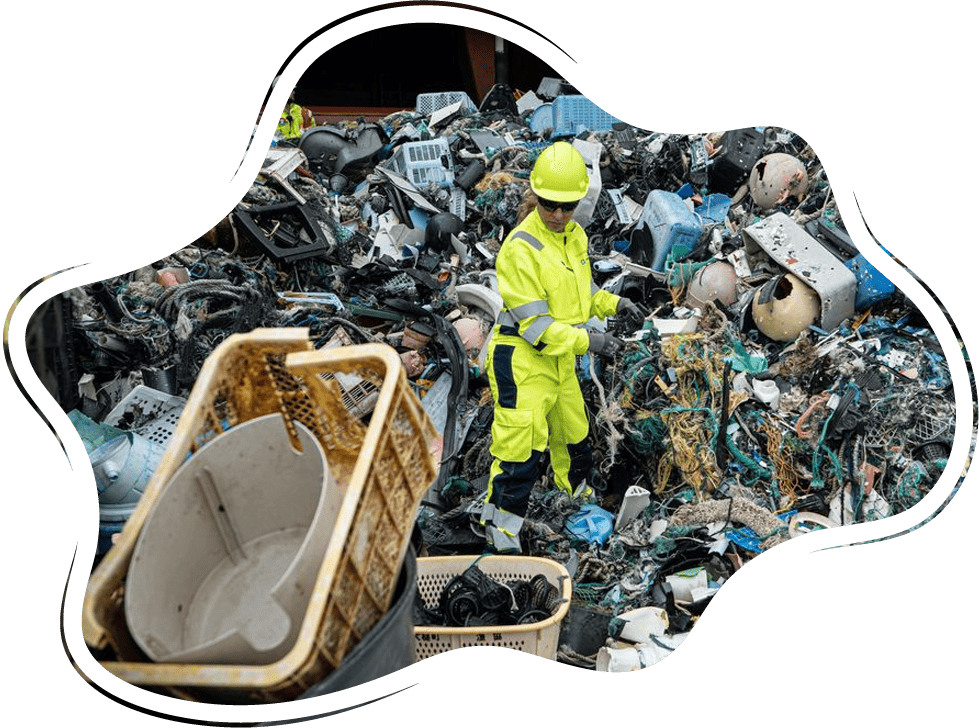
Disposal
Scientific disposal ensures minimal environmental damage.
Best Practices Include:
- Composting biodegradable waste
- Recycling dry waste materials
- Safe treatment of hazardous and biomedical waste
- Engineered sanitary landfills
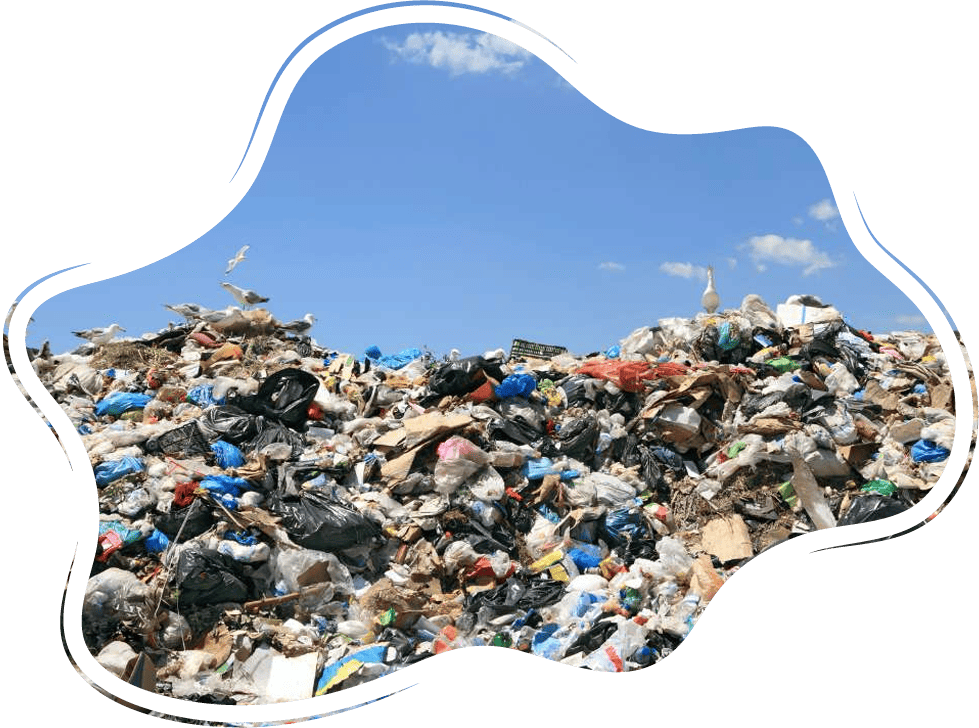
- Avoidance of open dumping and burning
Domestic Reuse (Household Level)
Households play a vital role in reducing waste generation.
Encouraged Practices:
- Home composting of kitchen waste
- Reusing containers and packaging
- Avoiding single-use plastics
- Repairing and repurposing household items
- Water reuse for gardening
Commercial Use / Reuse
Businesses and industries can contribute through responsible waste practices.
Key Measures:
- Bulk waste segregation systems
- Recycling partnerships
- Waste-to-energy initiatives
- Sustainable packaging adoption
- Circular economy models
Miscell aneous
Additional focus areas include:
- Public awareness campaigns
- School and community education programs
- Plastic reduction initiatives
- E-waste collection drives
- Policy advocacy for strict waste management rules
- Penalties for non-compliance
Our Commitment
Responsible garbage management protects air, water, soil, and public health. A clean environment is the shared responsibility of citizens, institutions, industries, and governing bodies. Sustainable waste practices today ensure a healthier tomorrow.