


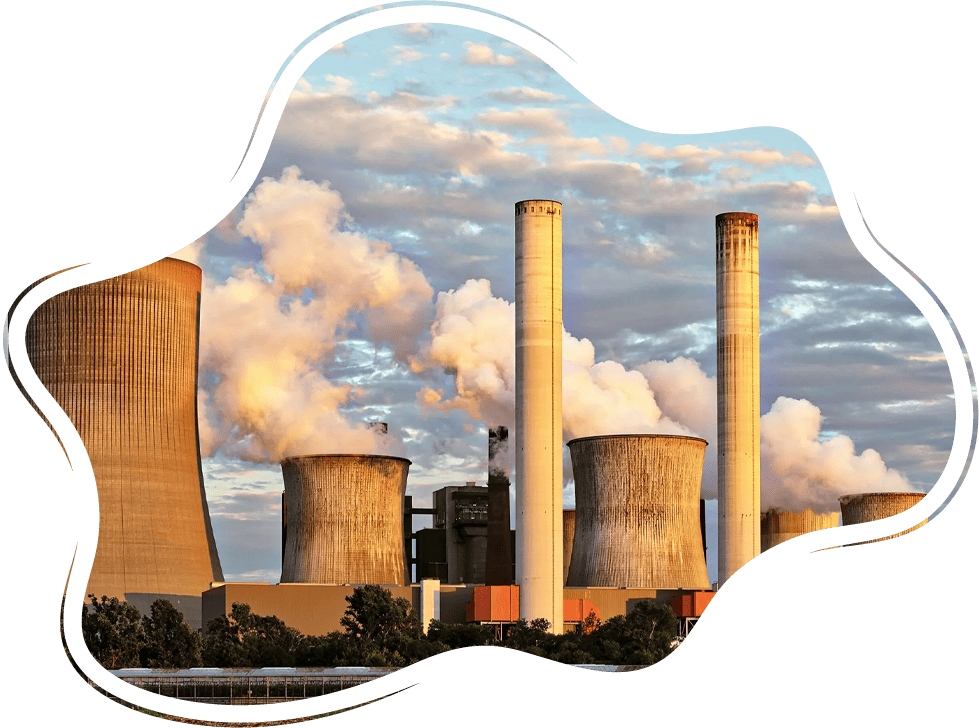
Energy Production
Powering Development Responsibly and Sustainably
Energy production is essential for economic growth, industrial development, and daily life. However, the method of energy generation significantly impacts air quality, water resources, soil health, biodiversity, and climate stability. A balanced and responsible energy strategy must combine reliability, sustainability, and environmental protection.
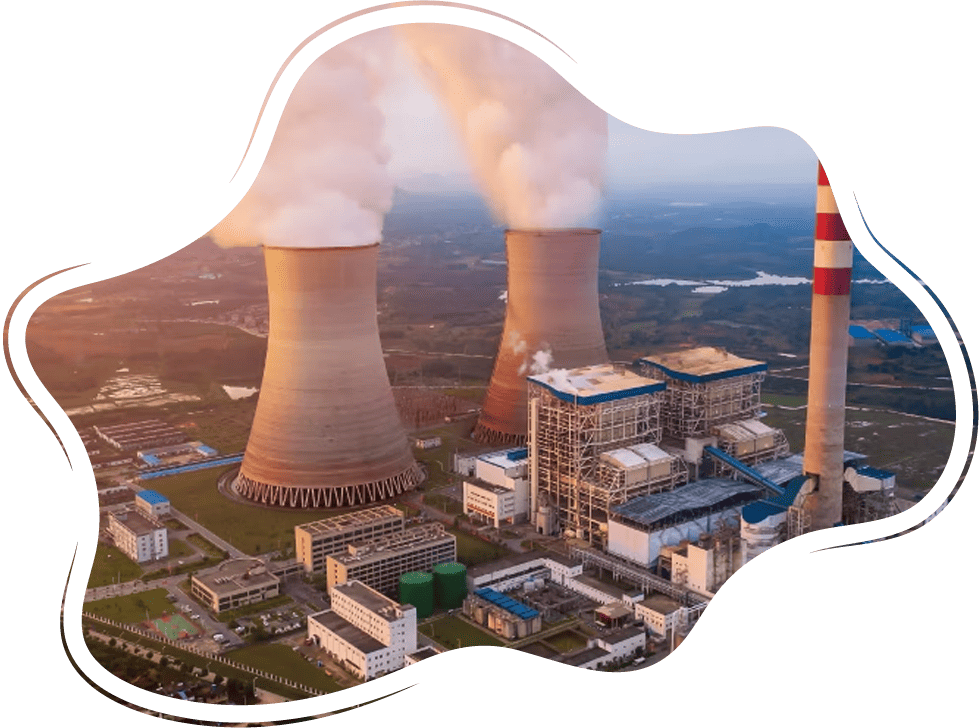
Thermal Power Plants
Thermal power plants generate electricity primarily by burning coal, oil, or natural gas. While they provide stable and large-scale power supply.
They are major sources of:
- Carbon dioxide (CO₂) emissions
- Sulfur dioxide (SO₂) and nitrogen oxides (NOx)
- Fly ash and particulate matter
- Thermal water pollution
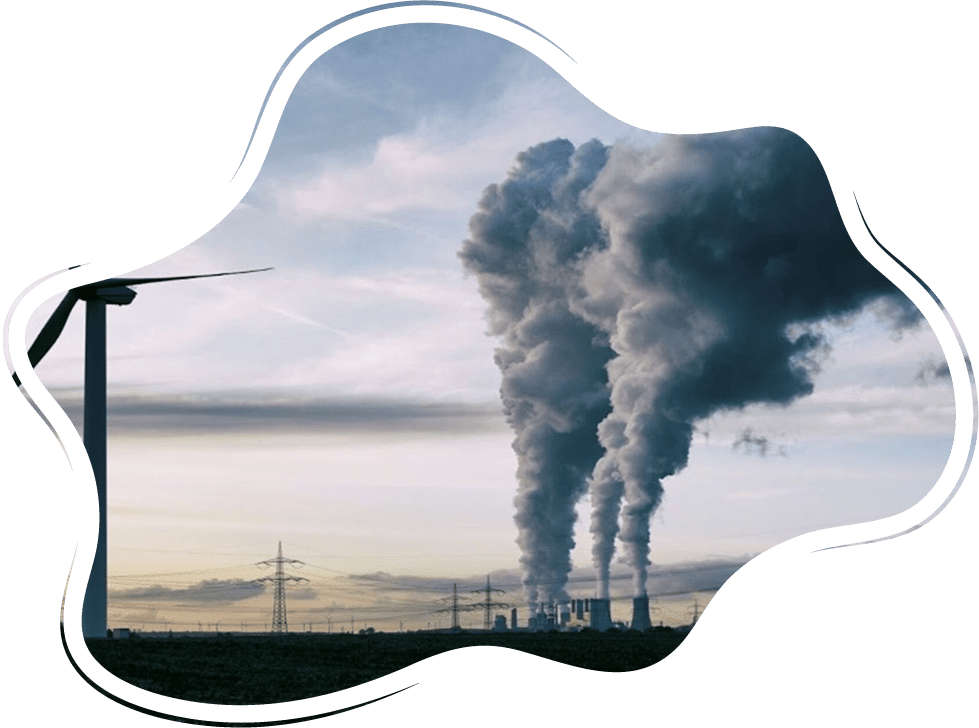
Use of Fossil Fuels
Fossil fuels (coal, petroleum, natural gas) remain a dominant energy source but contribute significantly to:
- Air pollution
- Greenhouse gas emissions
- Climate change
- Environmental degradation
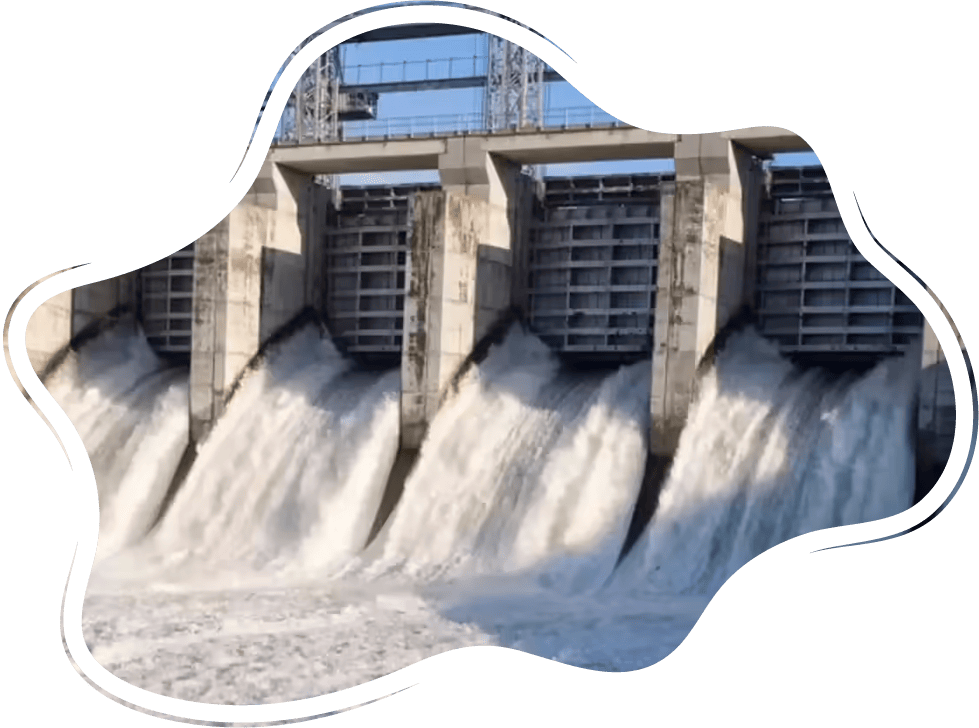
Hydel Projects (Hydropower)
Hydropower is a renewable source of energy generated through flowing water. It provides:
- Low operational emissions
- Reliable power supply
- Water storage and flood control benefits
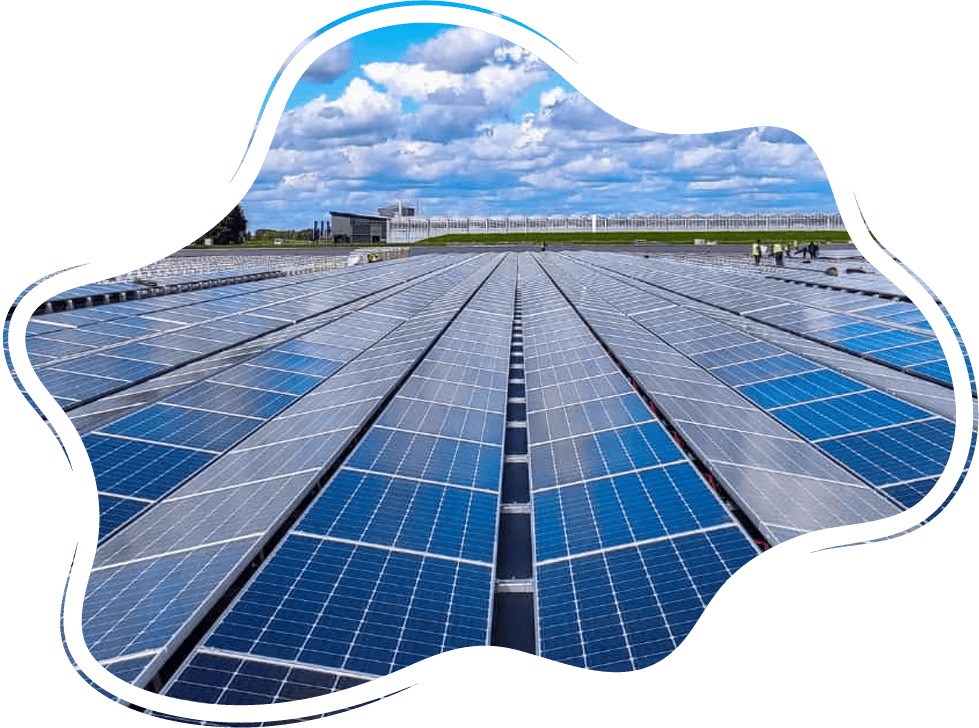
Solar Energy
Solar energy is one of the cleanest and fastest-growing renewable sources.
Benefits include:
- Zero emissions during operation
- Low maintenance costs
- Decentralized energy generation
- Rooftop and utility-scale flexibility
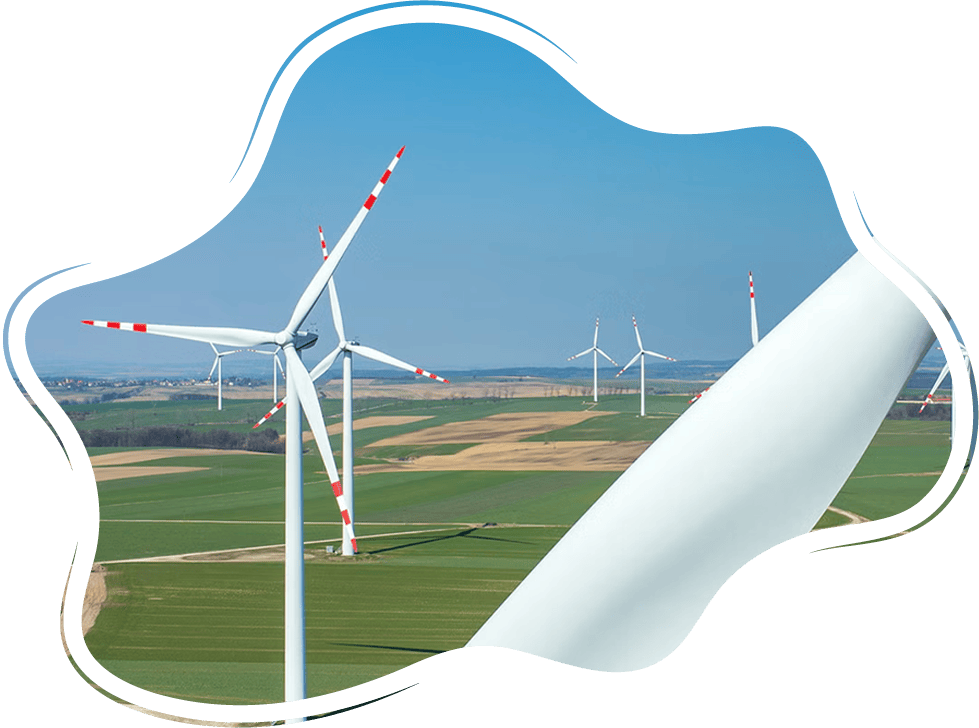
Windmill Projects
Wind energy is a clean and renewable power source suitable for large-scale generation.
Advantages:
- No fuel consumption
- Minimal greenhouse gas emissions
- Long operational lifespan
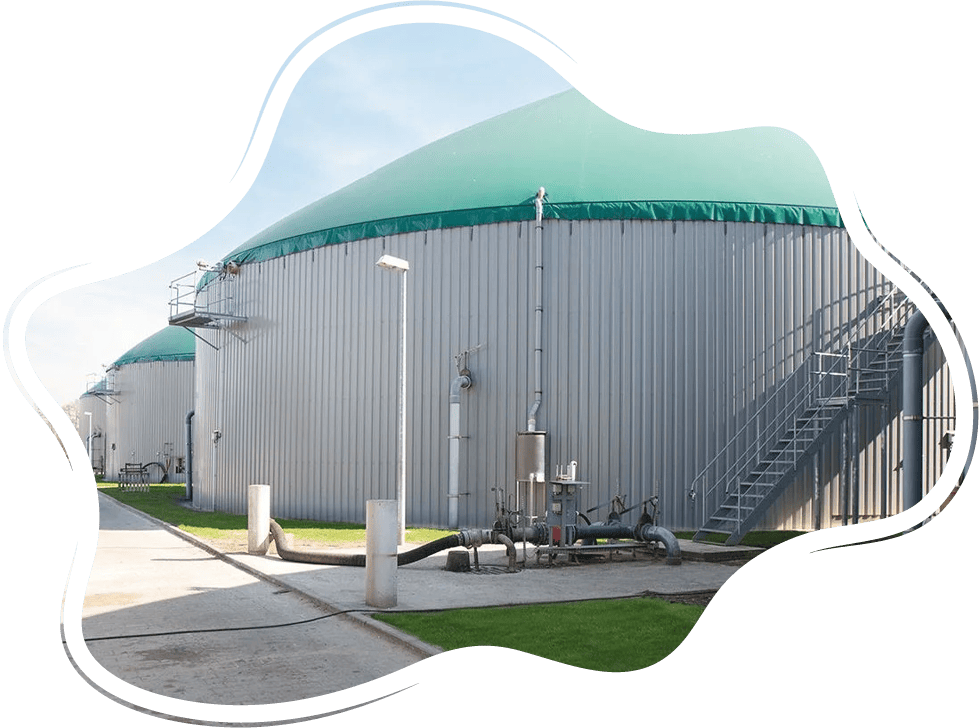
Biogas Plants
Biogas is generated from organic waste such as agricultural residues, animal waste, and food waste.
Benefits:
- Reduces waste burning
- Produces renewable cooking and electricity fuel
- Generates organic fertilizer as a byproduct
- Reduces methane emissions
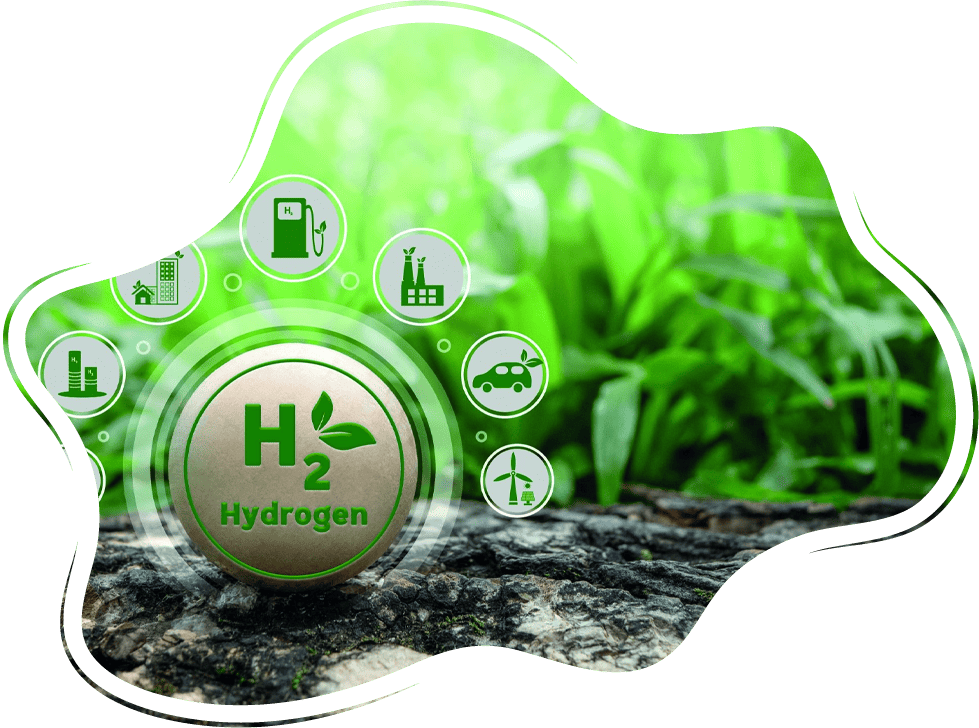
Green Hydrogen Energy
Green hydrogen is produced using renewable energy sources to split water into hydrogen and oxygen.
Key Advantages:
- Zero carbon emissions when used as fuel
- Industrial decarbonization potential
- Storage solution for renewable energy
Miscellaneous
Additional focus areas include:
- Energy efficiency standards
- Smart grid development
- Energy conservation awareness
- Decentralized renewable systems
- Sustainable infrastructure planning
- Policy advocacy for clean energy incentives
Our Commitment
Responsible energy production must balance development with environmental protection. Transitioning toward cleaner and renewable energy sources is essential for reducing pollution, protecting public health, and ensuring climate resilience for present and future generations.