15-09-2026



RECce, ASSESSMENT AND VISION FOR THE FUTURE DEVELOPMENT OF LUDHIANA
A Journey Along Central Buddha Darya — Part I
From Tajpur to the Dairy Complex, Fish Market and Central Jail Landfill Zone
Issued in Public Interest by
Public Action Committee (PAC)
Mattewara Jungles, River Satluj and Buddha Darya, Ludhiana
EXECUTIVE OVERVIEW
A field team of the Public Action Committee (PAC) undertook an extensive reconnaissance and environmental assessment of the central stretch of Buddha Darya, covering the area from Tajpur through the Dairy Complex and Fish Market, including both approach roads leading towards the landfill situated opposite Central Jail.
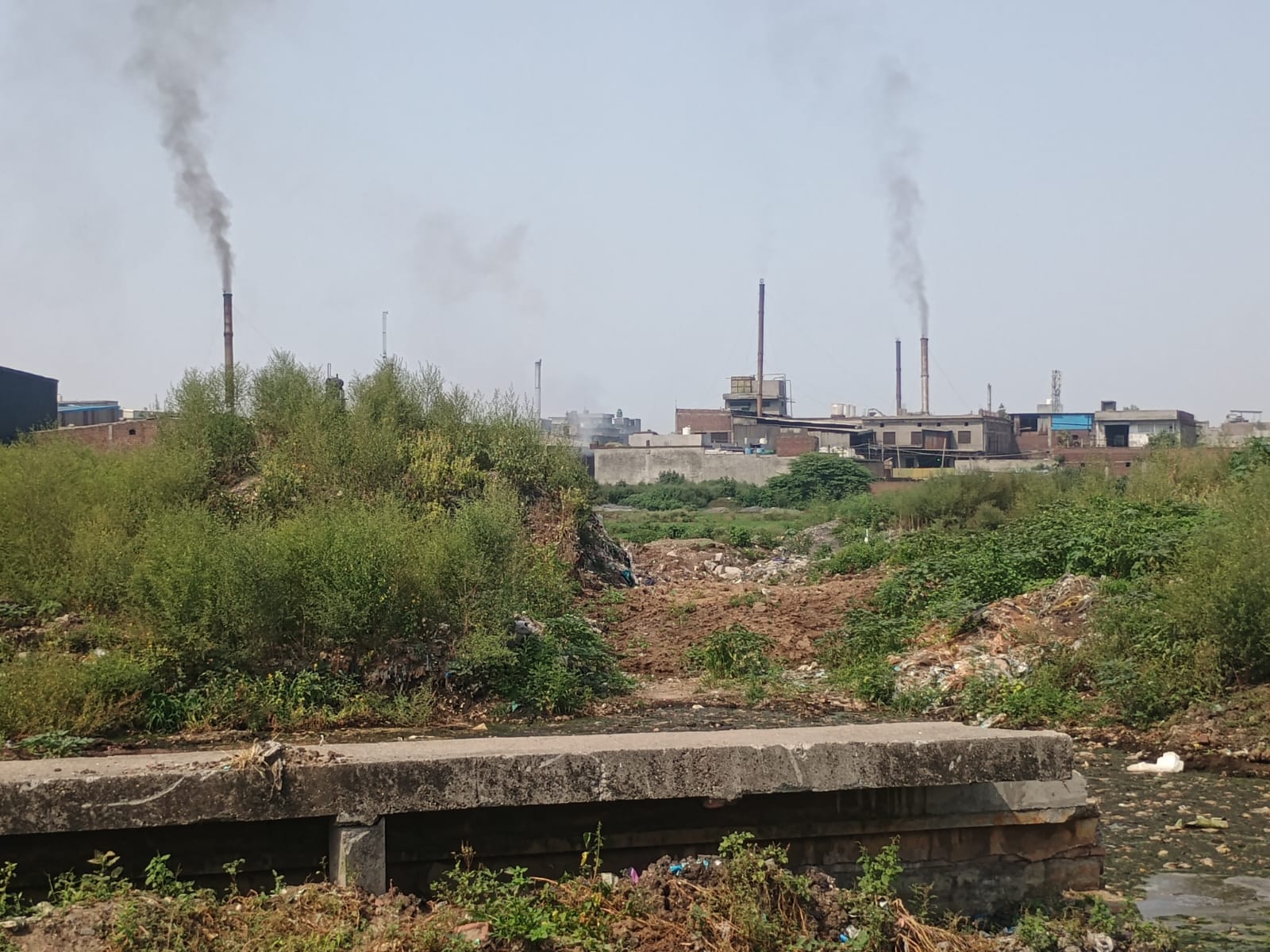
The field assessment revealed a deeply concerning combination of solid-waste accumulation, polluted wastewater, inadequate civic infrastructure, industrial emissions, landfill-related environmental risks and weak environmental management.
The condition of the area reflects not an isolated failure, but the cumulative impact of inadequate planning, fragmented institutional responsibility, insufficient enforcement and years of environmental neglect.
A zone that should have been developed as a properly planned urban-industrial area has instead evolved into one of the most environmentally vulnerable and unhealthy stretches of Ludhiana.
At the same time, the area possesses substantial potential for transformation through scientific waste management, wastewater treatment and reuse, renewable-energy generation, ecological restoration, green infrastructure and circular-economy solutions.
PAC therefore proposes that the entire belt—from Tajpur and the Dairy Complex to the Fish Market, adjoining industrial clusters, biomedical-waste facility, Central Jail landfill and the associated stretch of Buddha Darya—be treated as a single Integrated Environmental Redevelopment and Waste-to-Resource Zone.
1. A LANDSCAPE IN SHAMBLES
The PAC team travelled through the dyeing and hosiery clusters situated along the two roads leading towards Kakka village.
Except for approximately the first kilometre, the road towards Kakka was found to be in a severely deteriorated condition.
The overall area presented a distressing picture of civic and environmental degradation, including:
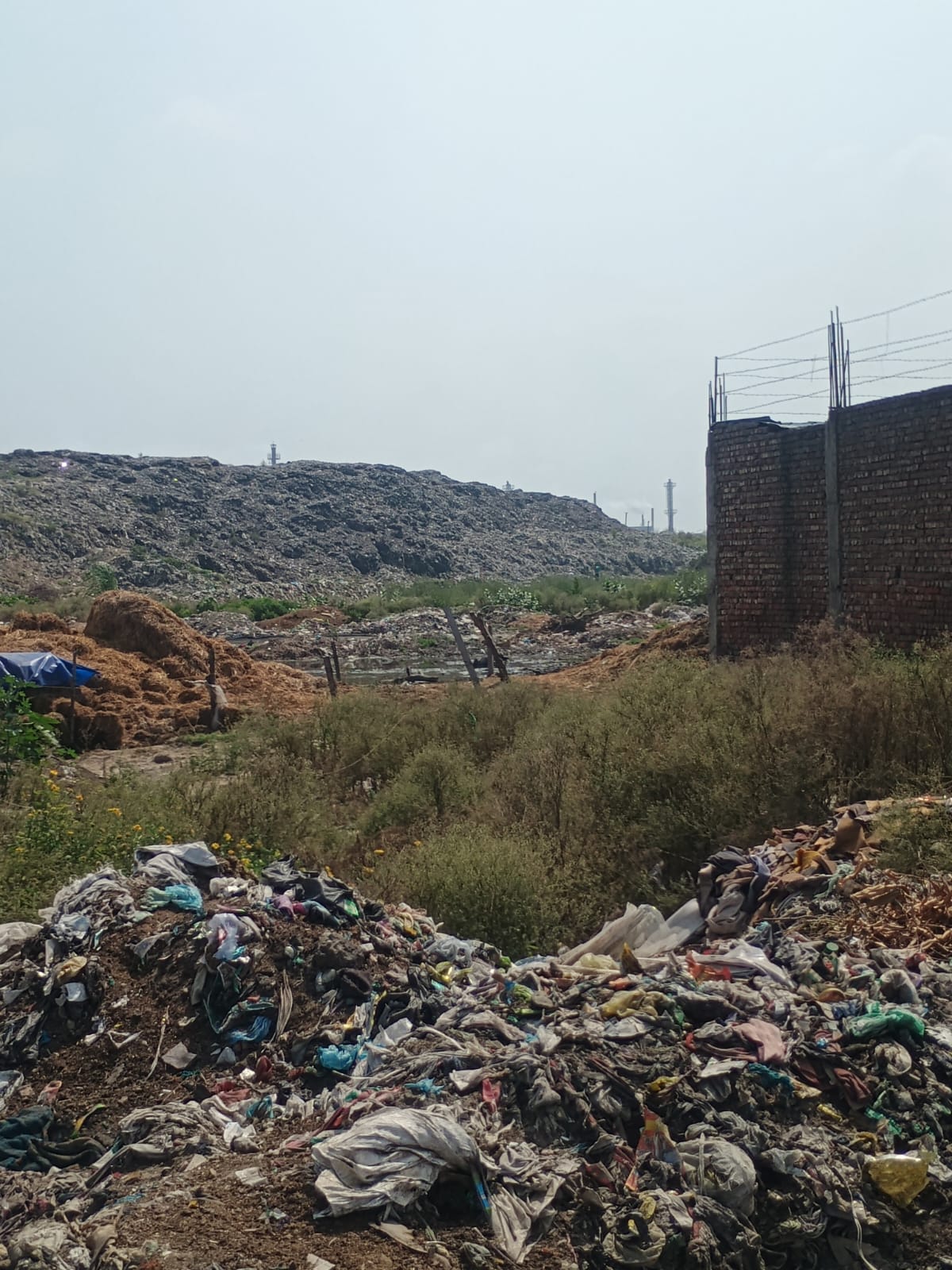
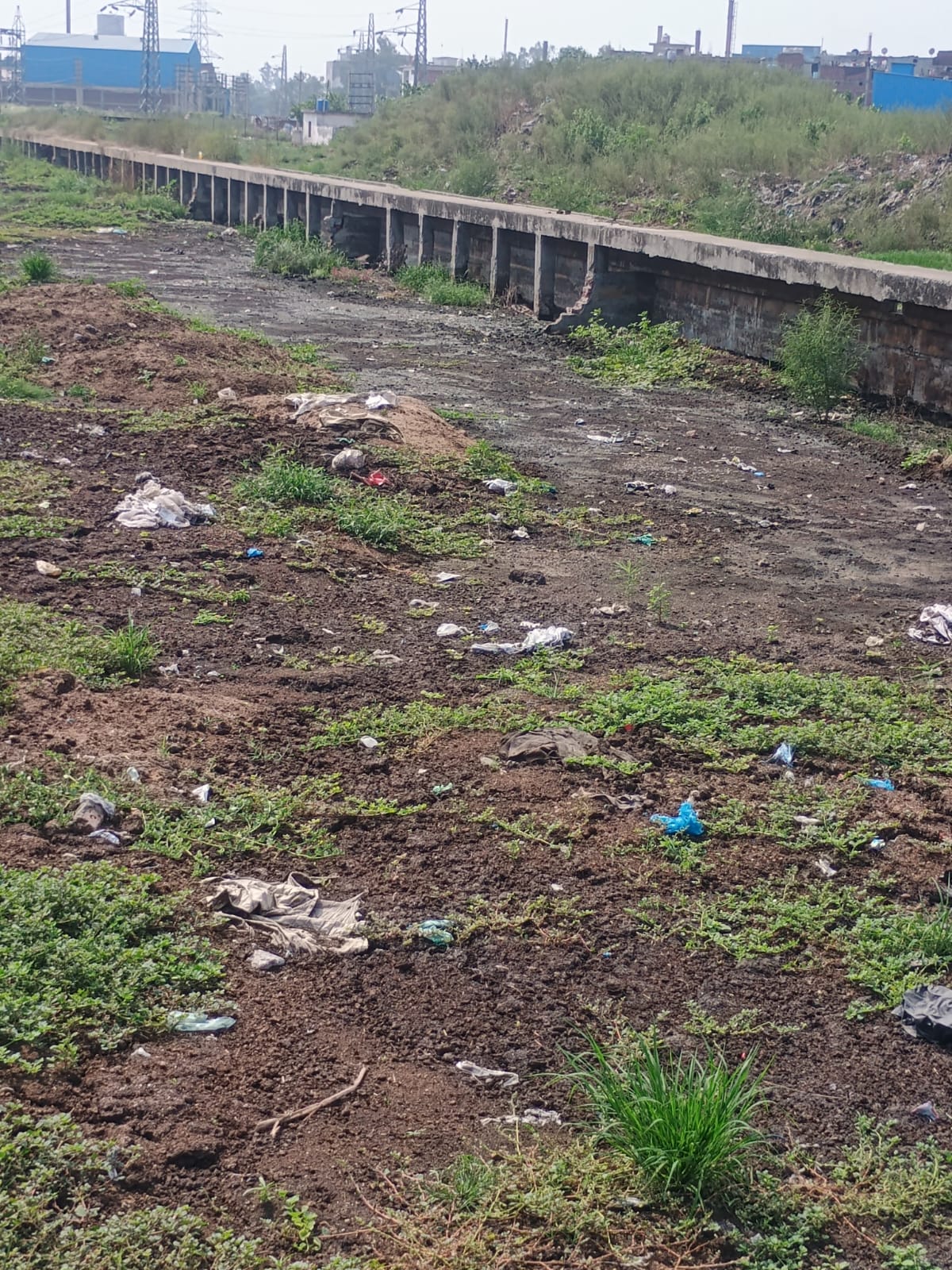
- Indiscriminate dumping of solid waste along roadsides and vacant plots.
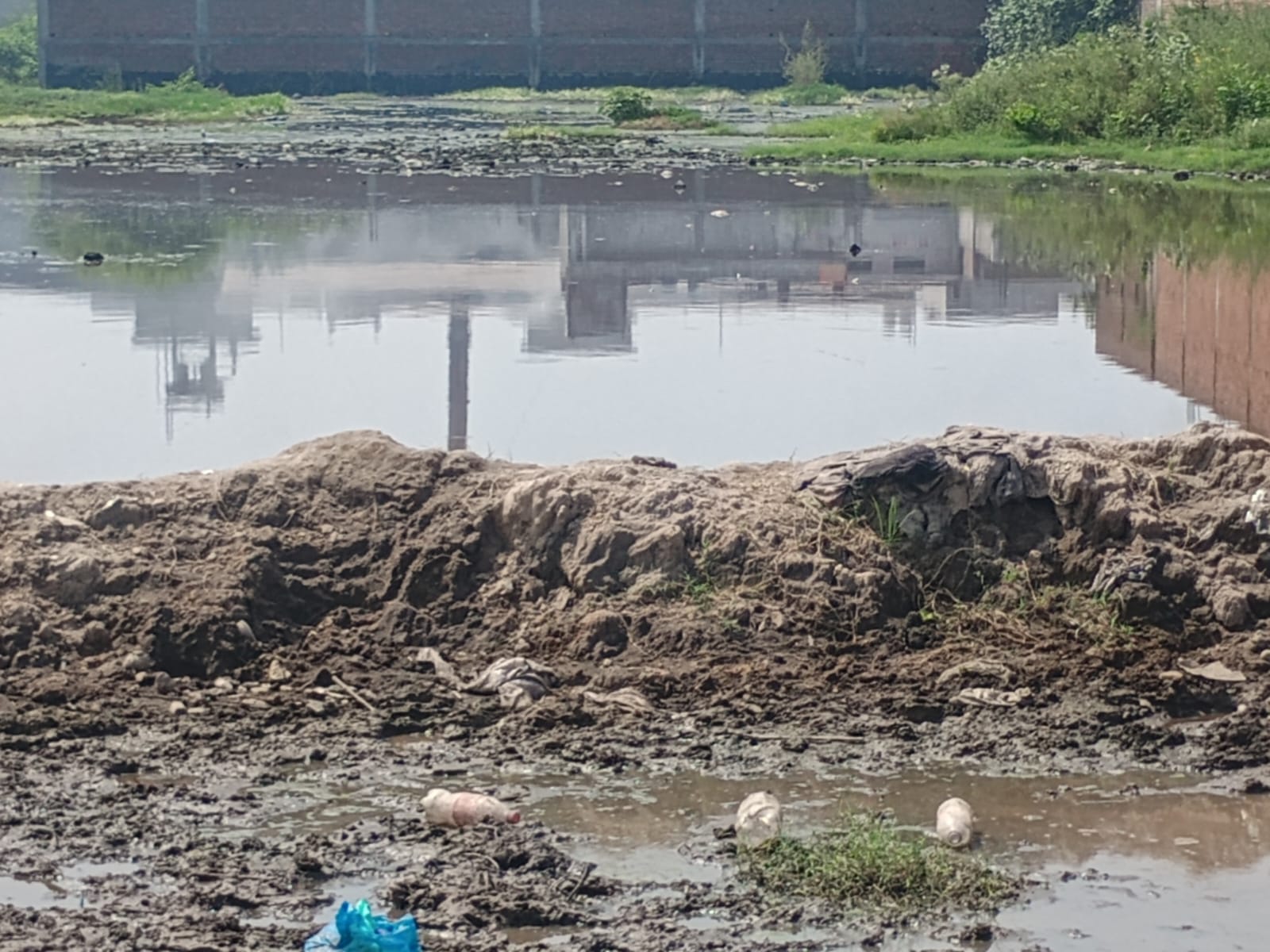
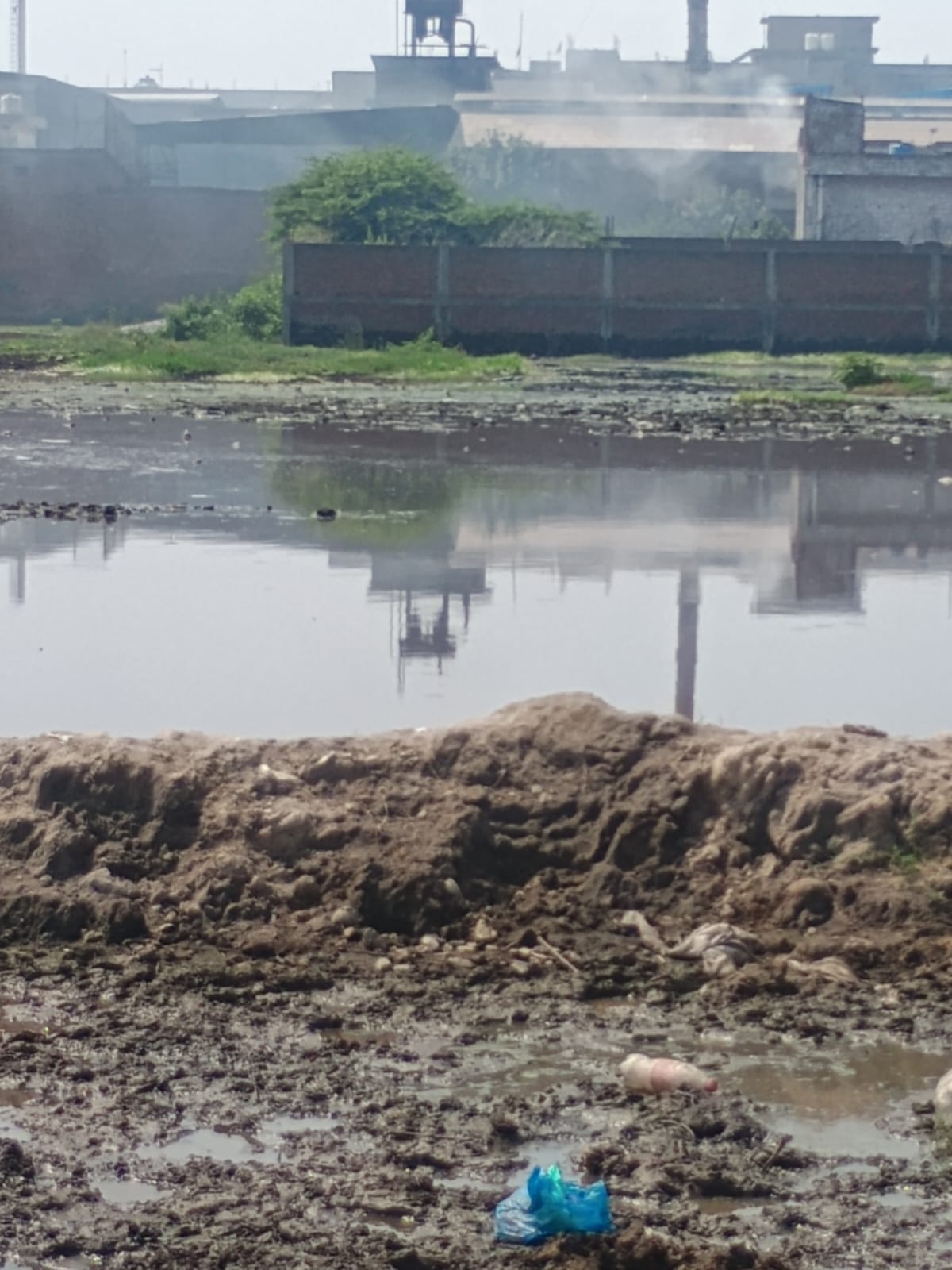
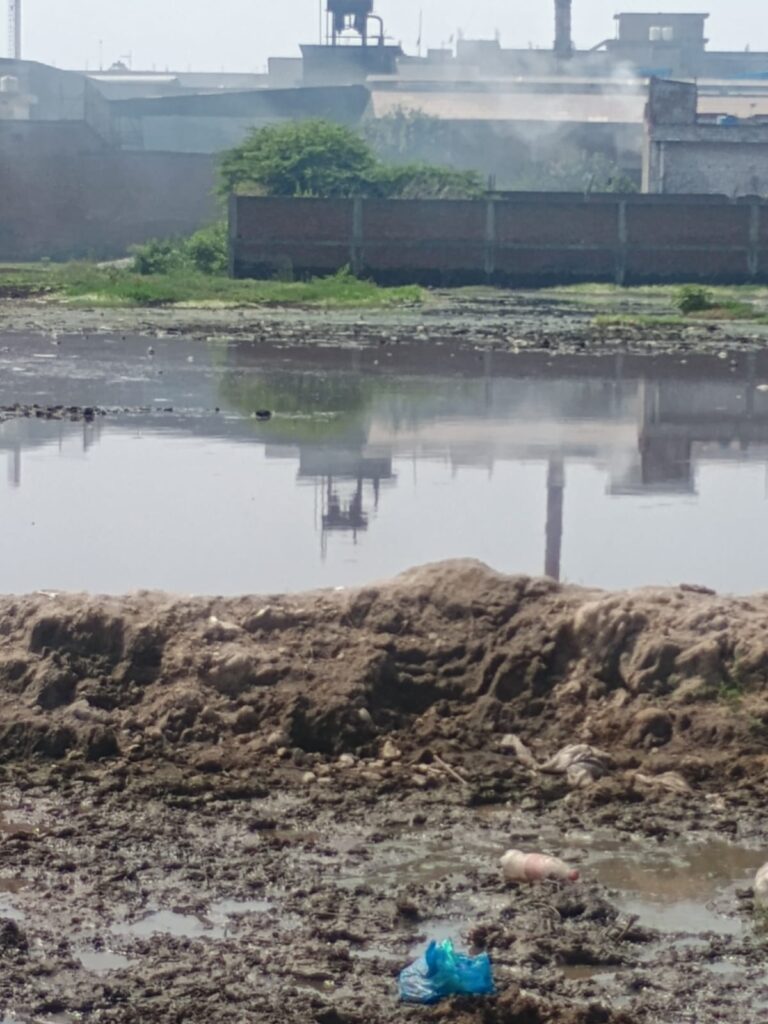
- Stagnant, foul-smelling and visibly polluted wastewater accumulated on roads and in low-lying areas.
- Poor sanitation and widespread filth.
- Inadequate roads, drainage, sewerage and street-cleaning arrangements.
- Poor pedestrian access and unsafe movement conditions.
- Inadequate public infrastructure in an area supporting significant industrial and residential activity.
The prevailing conditions raise serious concerns regarding public health, occupational safety, environmental quality and basic human dignity.
Residents, workers, commuters and other persons entering the area on a daily basis appear to be exposed to multiple environmental hazards simultaneously.
2. LANDFILL SITE — AN UNRESOLVED ENVIRONMENTAL EMERGENCY
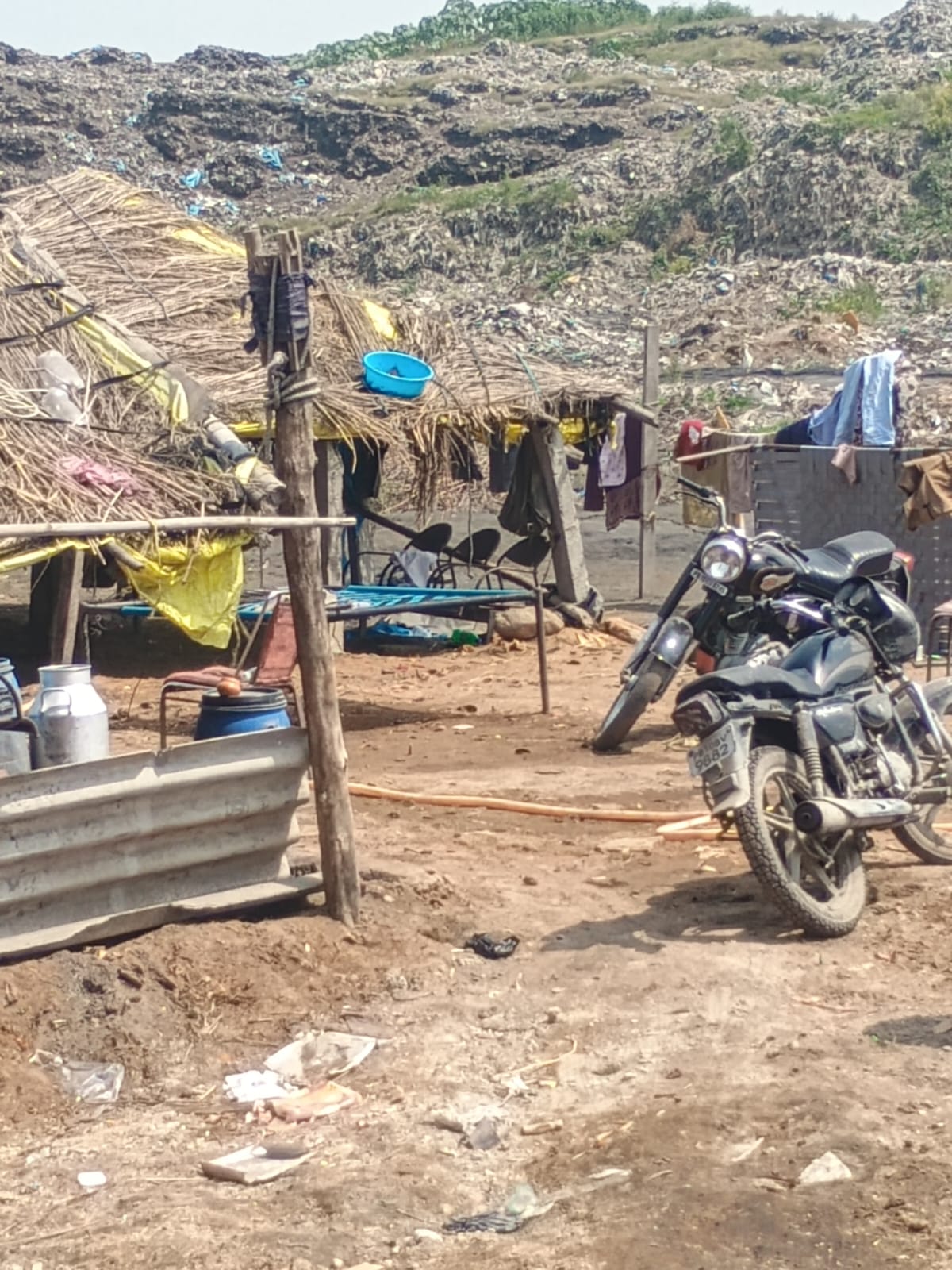
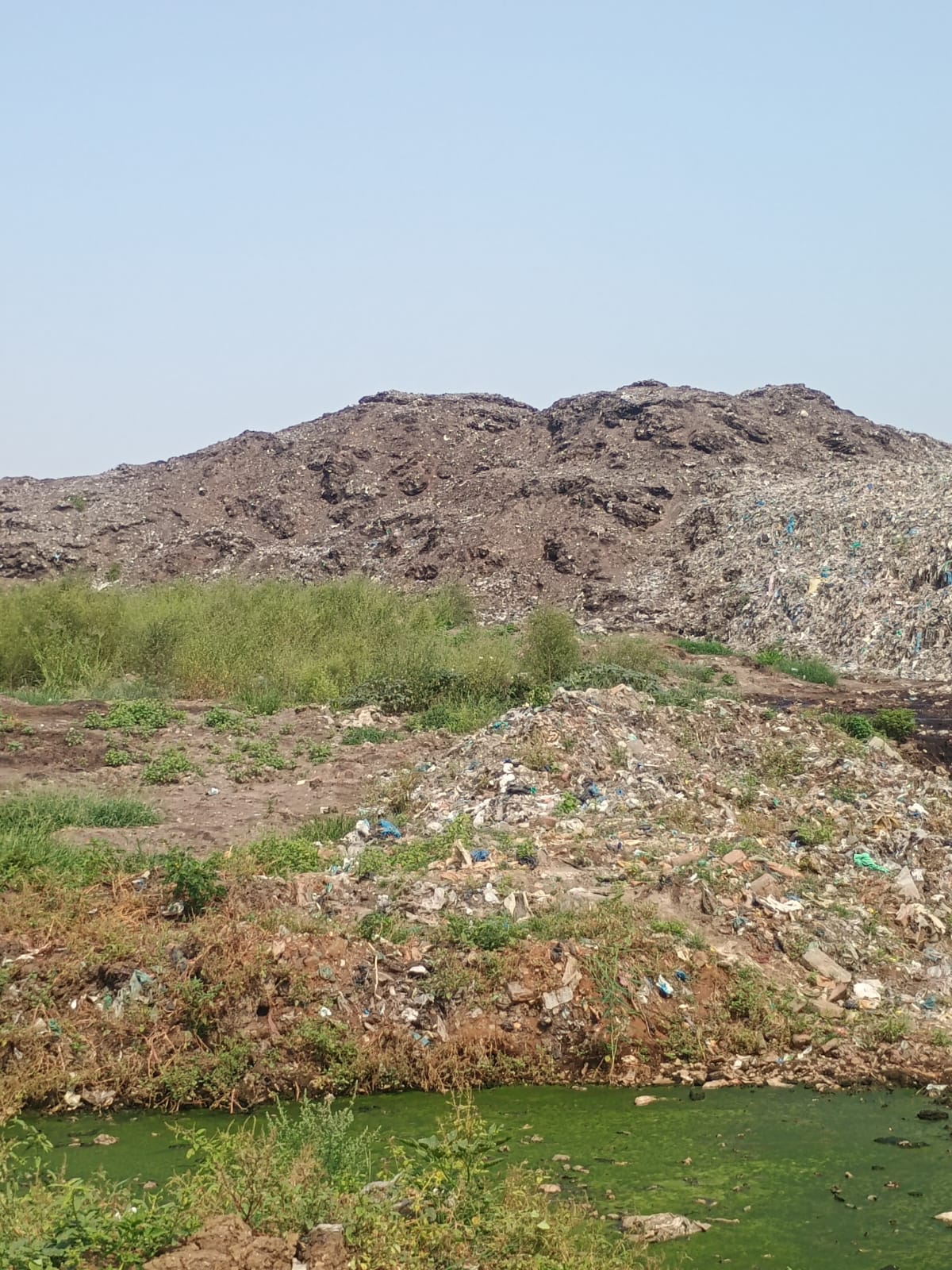
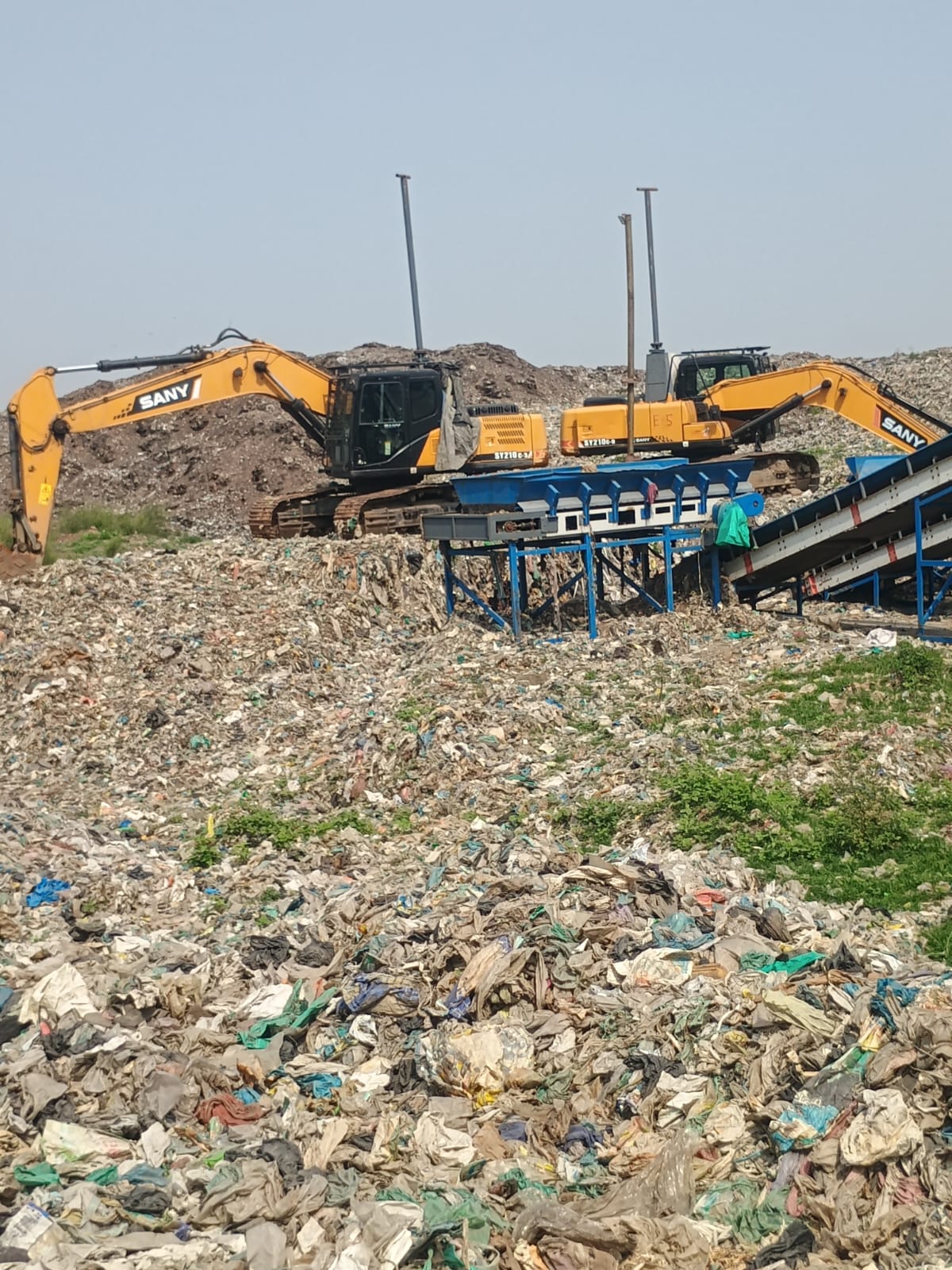
The landfill situated less than one kilometre north of Buddha Darya, within Ludhiana East Constituency, continues to contain several lakh tonnes of accumulated legacy waste.
During the visit, the waste-processing facility operated by Sagar Company was found shut and appeared to have remained non-operational for several days.
The reason for the shutdown, its duration and the present status of waste processing require immediate clarification from the competent authorities.
Eastern Side
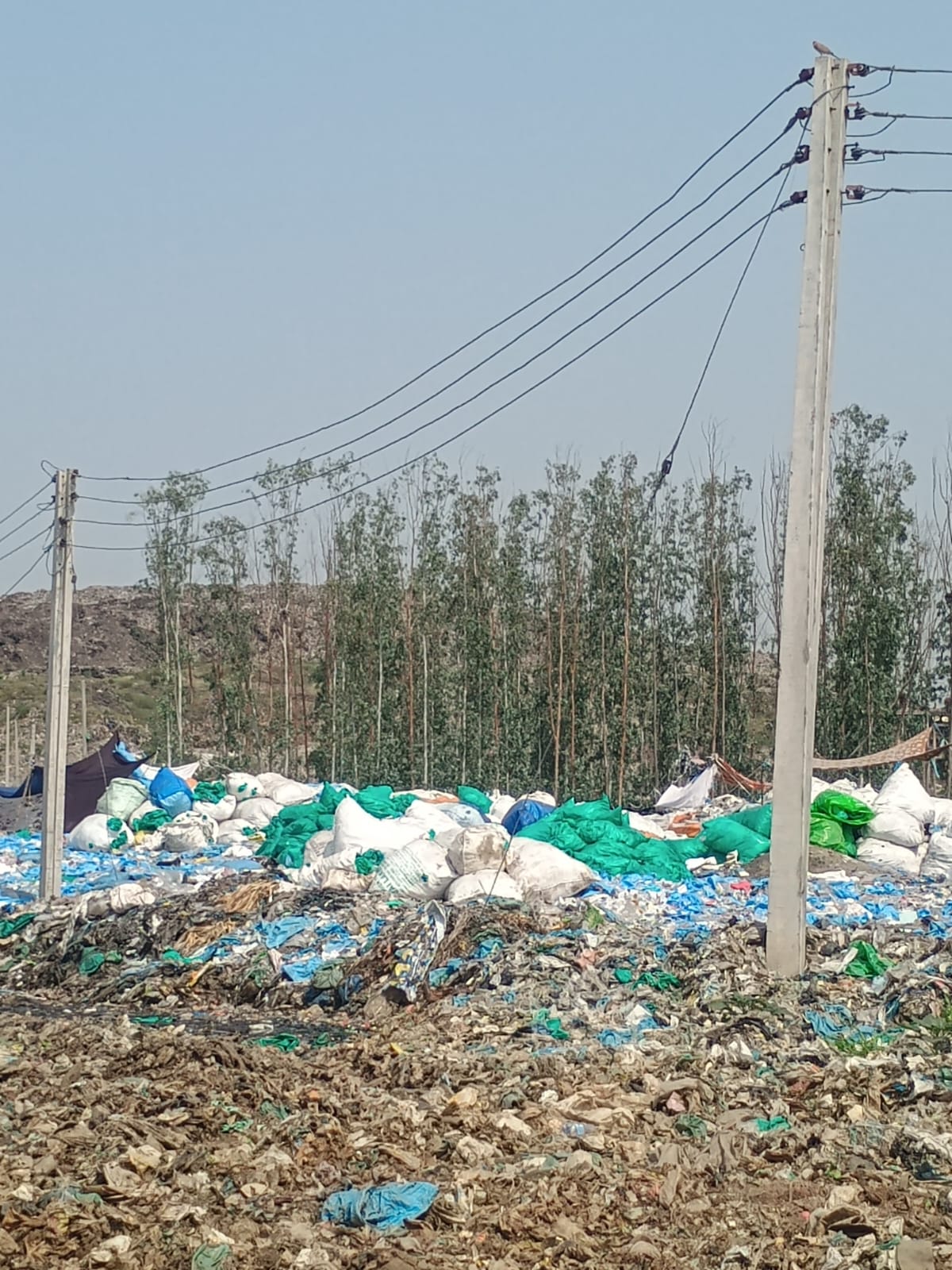
The eastern portion of the landfill was dominated by apparently dry waste. Plastic appeared to constitute a substantial proportion of the visible material, estimated by field observation to be more than 70 per cent.
Very little wet waste was visible in this section.
No evident methane-flaring or comprehensive controlled gas-management arrangement was observed at the locations inspected.
Southern Side
The southern side presented substantially greater environmental concerns.
The team observed:
- Extremely offensive odour.
- Visible burning of methane at certain locations.
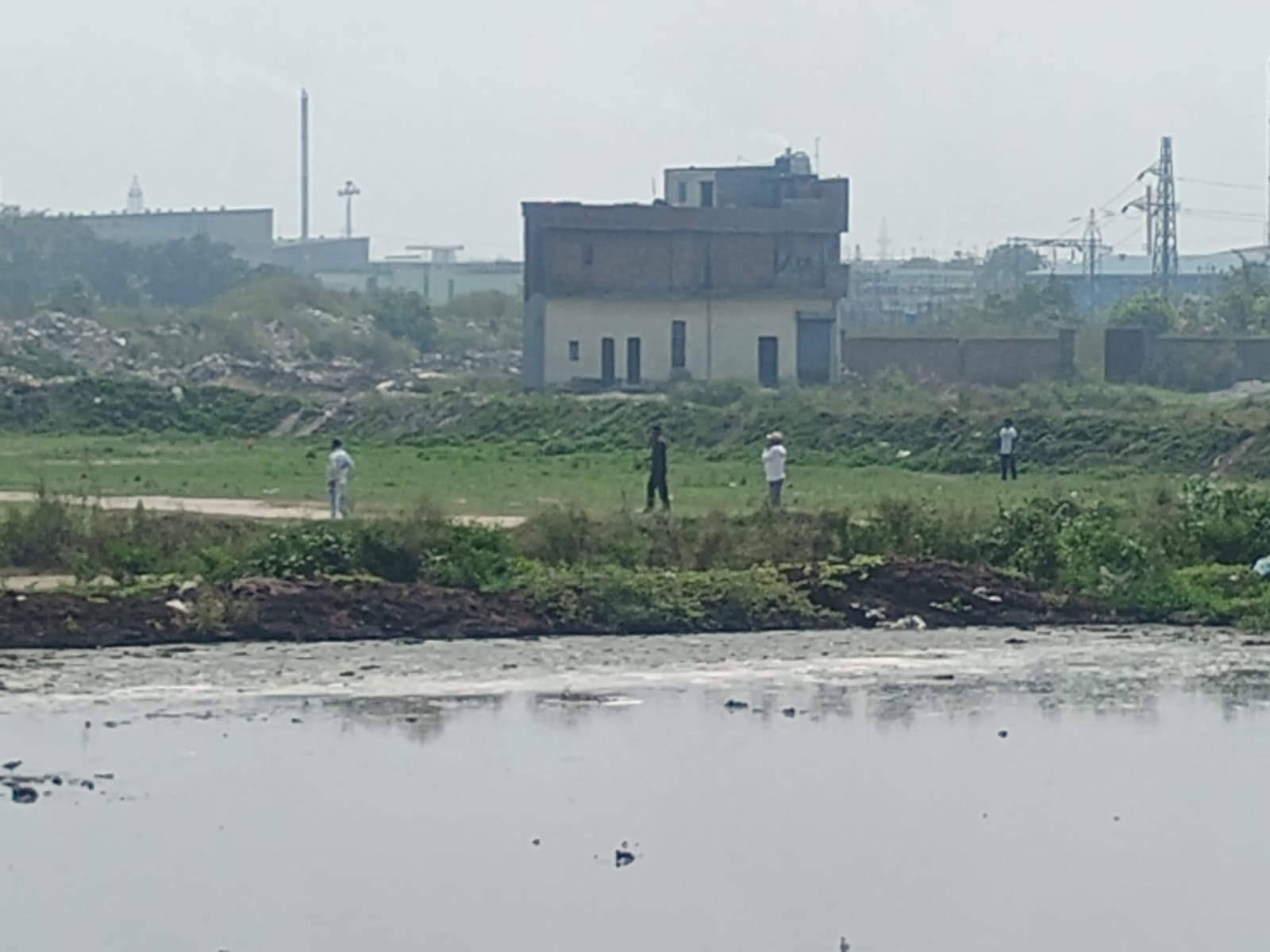
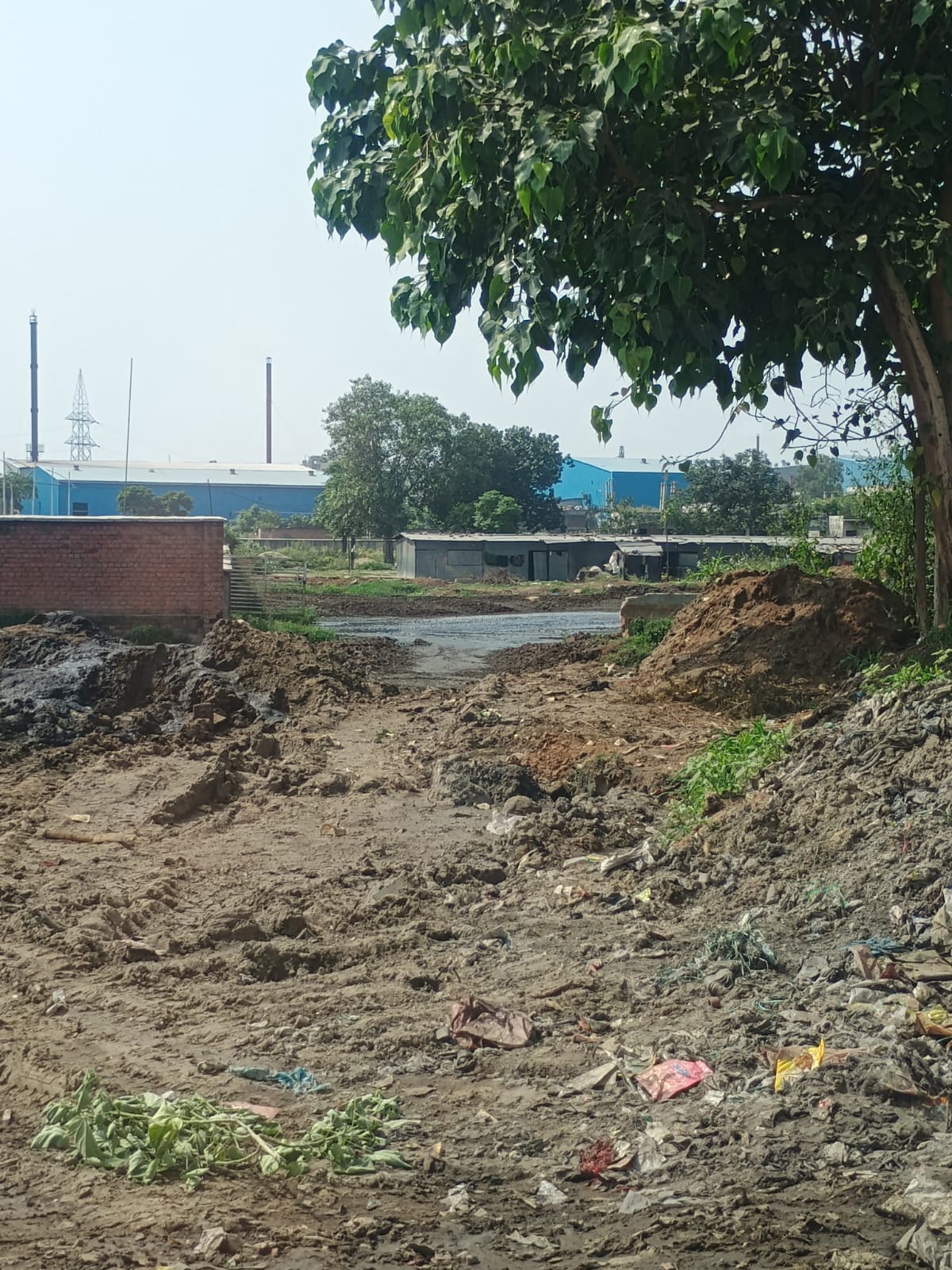
- A long, low-lying area that had developed into a stagnant and highly polluted water body.
- Rainwater apparently mixing with waste and generating contaminated leachate.
- Potential pathways for contaminated water to infiltrate surrounding soil.
These conditions create a potential risk to soil quality and shallow groundwater resources.
Given reports of groundwater quality concerns in surrounding localities, an independent scientific investigation is urgently required.
Such an investigation should include:
- Hydrogeological assessment.
- Groundwater sampling from strategically located monitoring wells.
- Soil sampling.
- Leachate characterization.
- Surface-water quality testing.
- Assessment of groundwater flow pathways.
- Periodic public disclosure of laboratory results.
3. SEVERE AND MULTIPLE AIR-POLLUTION SOURCES
The area appears to experience a significant cumulative air-pollution burden.
Potential sources observed or associated with the area include:
- Industrial stack emissions.
- Road and construction dust.
- Landfill gases.
- Burning or smouldering waste.
- Emissions and odours from stagnant wastewater.
- Vehicular emissions.
- Bioaerosols associated with garbage, sewage and dairy waste.
Residents and workers are therefore potentially exposed to a combination of pollution sources rather than a single identifiable source.
Required Measures
PAC recommends:
- Continuous ambient-air-quality monitoring at representative locations.
- Independent verification of industrial stack emissions.
- Regular inspection of industrial pollution-control systems.
- Public disclosure of monitoring data.
- Installation of real-time environmental dashboards at major industrial and waste-management facilities.
- Immediate investigation of unexplained odour, smoke and emission events.
Environmental compliance must be demonstrated through measurable and independently verifiable data, rather than relying solely upon declarations by individual operators.
4. BIOMEDICAL-WASTE FACILITY — TRANSPARENCY AND COMPLIANCE
The team also passed near the biomedical-waste treatment facility operated under the name Medicare, which appeared non-functional at the time of inspection.
Although display boards were present outside the facility, prescribed environmental-performance information did not appear to be publicly displayed.
For a facility handling potentially hazardous biomedical waste, transparency and continuity of treatment are critical.
The competent authorities should urgently verify:
- Whether the facility is currently operational.
- Whether biomedical waste is being collected and treated within prescribed timelines.
- Where biomedical waste is being diverted during any shutdown.
- Whether applicable emission and effluent standards are being complied with.
- Whether continuous monitoring systems are functional.
- Whether required environmental records are maintained.
- Why current environmental-performance information is not being publicly displayed.
Any interruption in biomedical-waste treatment must be accompanied by a documented contingency plan ensuring safe collection, transportation and treatment.
5. BUDDHA DARYA CONTINUES TO RECEIVE POLLUTED DISCHARGES
During the reconnaissance, Buddha Darya was observed receiving continuous discharges associated with the 40 MLD and 50 MLD Common Effluent Treatment Plants (CETPs).
The appearance and quality of the discharge observed during the visit raised concerns regarding treatment performance and compliance with applicable standards.
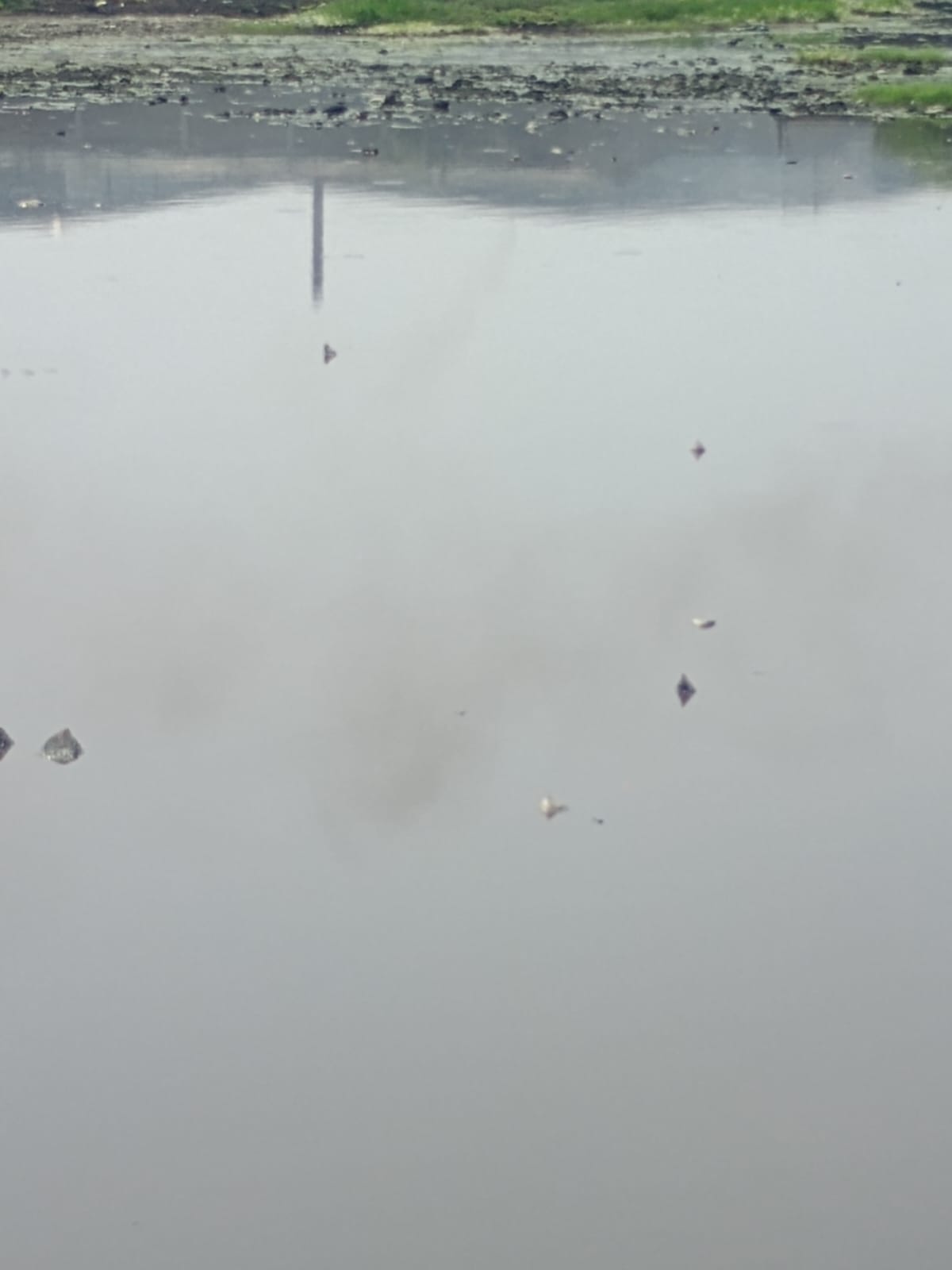
The 225 MLD Sewage Treatment Plant (STP) was also observed discharging brown-coloured water.
The colour of treated discharge alone does not establish non-compliance; however, it warrants immediate scientific investigation and independent sampling to determine the actual quality and source of the pollution load.
There is a need to determine whether industrial effluent is entering municipal sewerage networks and subsequently reaching an STP designed primarily for domestic sewage.
PAC recommends:
- Independent inlet and outlet sampling.
- Continuous online monitoring wherever technically applicable.
- Identification of industrial units illegally connected to municipal sewerage.
- Flow and pollution-load mass-balance assessments.
- Independent laboratory verification.
- Public disclosure of treatment-plant laboratory reports.
- Clear identification of responsibility for every non-compliant discharge.
Treatment plants must not become pathways through which untreated, diluted or inadequately treated pollution ultimately reaches Buddha Darya.
The long-term objective should be:
Segregation → Treatment → Reuse → Resource Recovery → Minimal Discharge
Where technically and legally applicable, Zero Liquid Discharge (ZLD) should be pursued for industrial sectors with significant pollution potential.
6. DAIRY WASTE — FROM POLLUTION TO RESOURCE
Dairy waste, including dung-laden wastewater, was again observed entering Buddha Darya without effective control.
This indicates that existing systems for the collection, transportation, treatment and beneficial utilization of cattle dung and dairy wastewater remain inadequate.
Dairy waste should not be viewed solely as a disposal problem.
It is a valuable organic resource with the potential to generate:
- Compressed Biogas (CBG).
- Biogas for thermal and electrical energy.
- Organic manure.
- Bio-slurry for agriculture.
- Other value-added products.
A properly designed dairy-waste management system could simultaneously:
Reduce pollution + Generate renewable energy + Produce manure + Create employment + Generate revenue
This represents an important opportunity for Ludhiana’s transition towards a circular economy.
7. ENORMOUS UNTAPPED POTENTIAL FOR GREEN ENERGY
During the reconnaissance, no significant operational system for comprehensive gas recovery and utilization was observed at the STP, dairy wastewater-treatment systems, CETPs or landfill.
This represents a major missed opportunity.
The area has considerable potential for:
- Landfill-gas capture and utilization.
- CBG and biogas production from cattle dung.
- Biogas recovery from sewage sludge.
- Reuse of treated wastewater for industrial applications.
- Treated-water use for landscaping and plantation.
- Rooftop and ground-mounted solar power.
- Recovery of recyclable materials from segregated dry waste.
- Composting and biomethanation of suitable organic waste.
- Safe utilization of treatment sludge, subject to contamination testing.
The guiding principle should be:
Every tonne of waste must be scientifically evaluated for its potential to be reduced, reused, recycled, recovered, treated or safely converted into a resource.
8. REGULATORY FAILURE AND THE NEED FOR ACCOUNTABILITY
The environmental degradation witnessed across this belt could not have occurred overnight.
It reflects the cumulative impact of:
- Fragmented governance.
- Inadequate enforcement.
- Weak monitoring.
- Poor inter-agency coordination.
- Insufficient infrastructure.
- Inadequate accountability.
- Failure to address recurring violations.
Multiple agencies are responsible for different components of the problem, including pollution control, sewerage, industrial development, solid-waste management, dairy waste, roads, sanitation and public health.
However, environmental protection cannot be achieved through fragmented responsibility without effective coordination.
PAC therefore calls for:
Clear Responsibility + Independent Monitoring + Public Transparency + Time-Bound Accountability
Any official, contractor, operator or private entity found facilitating, concealing or negligently permitting illegal pollution should be dealt with strictly in accordance with law.
Environmental compliance should be established through independent evidence, scientific monitoring and publicly verifiable data.
9. PAC’S VISION — AN INTEGRATED WASTE-TO-RESOURCE AND CIRCULAR-ECONOMY ZONE
PAC believes that this severely degraded region can still be transformed.
However, isolated or piecemeal interventions will not be sufficient.
The entire belt—from Tajpur, Dairy Complex and Fish Market through the industrial clusters, biomedical-waste facility, Central Jail landfill and adjoining Buddha Darya corridor—should be planned as one integrated environmental redevelopment zone.
A dedicated multidisciplinary task force should be constituted with expertise in:
- Industrial-effluent treatment.
- Zero Liquid Discharge and water reuse.
- Municipal sewage treatment.
- Dairy waste and CBG management.
- Solid and legacy-waste remediation.
- Biomedical-waste management.
- Landfill-gas and leachate management.
- Hydrology and groundwater protection.
- Renewable energy.
- Urban planning and public health.
- Ecological restoration and landscape development.
- Circular-economy financing and governance.
The objective should be the creation of an:
Integrated Waste-to-Resource and Environmental Restoration Hub
with separate yet interconnected systems for:
Industrial Effluent | Sewage | Dairy Waste | Biomedical Waste | Dry Waste | Organic Waste | Leachate | Sludge | Landfill Gas | Renewable Energy
10. ESSENTIAL COMPONENTS OF THE MODEL PROJECT
PAC proposes the following core interventions:
- Time-bound biomining and scientific remediation of legacy waste.
- Continuous processing of fresh municipal waste, supported by compulsory segregation at source.
- Scientific landfill-gas capture and utilization.
- Comprehensive leachate collection and treatment to prevent groundwater contamination.
- CBG/biogas facilities for cattle dung, organic waste and suitable sewage sludge.
- Independent performance audits of the 40 MLD and 50 MLD CETPs and the 225 MLD STP.
- Strict segregation of industrial effluent from domestic sewage.
- Maximum reuse of treated wastewater, with ZLD implemented wherever technically and legally applicable.
- Reliable dairy-waste collection and transportation networks linked to resource-recovery facilities.
- Continuous monitoring of air, surface water, groundwater, leachate and industrial emissions.
- Public environmental dashboards displaying real-time or regularly updated monitoring information.
- Reconstruction and upgrading of roads, stormwater drains, sewerage networks and essential civic infrastructure.
- Safe working and living conditions for residents, labourers, waste workers and informal recyclers.
- Extensive plantation, green belts and ecological buffer zones between polluting installations and inhabited areas.
- Solar-energy systems on treatment plants, industrial roofs, public facilities and other suitable locations.
- A single empowered coordinating authority with clearly defined responsibilities, measurable targets, implementation timelines and accountability mechanisms.
11. GREEN HUBS AS PROTECTIVE ECOLOGICAL BUFFER ZONES
Available and reclaimed land should be strategically utilized to establish Green Hubs and urban ecological buffers.
These areas could incorporate:
- Native tree plantations.
- Miyawaki forests or other scientifically suitable dense plantations.
- Constructed wetlands for appropriate tertiary polishing applications.
- Biodiversity patches.
- Green corridors along Buddha Darya.
- Environmental-awareness and public-health spaces.
- Landscaped buffers around waste-treatment facilities.
Properly designed green infrastructure can contribute to reducing dust, odour, noise and urban heat, while simultaneously improving biodiversity, aesthetics and overall environmental quality.
Green Hubs should therefore be regarded not merely as beautification projects, but as essential environmental infrastructure.
12. PAC’S DEMAND TO THE STATE AND CENTRAL GOVERNMENTS
PAC calls upon the Government of Punjab and the Government of India to jointly initiate the development of this area as a nationally significant Integrated Waste Management, Pollution-Control, Renewable-Energy and Circular-Economy Model Project.
The project should receive:
- Adequate financial support.
- Modern and appropriate technology.
- Competent professional management.
- Independent environmental oversight.
- Scientific monitoring.
- Transparent procurement and implementation.
- Clearly defined targets.
- Time-bound execution.
- Public accountability.
Immediate action is required to:
- Restore the functioning of all treatment and waste-processing facilities.
- Stop all untreated and non-compliant discharges.
- Prevent further soil and groundwater contamination.
- Control industrial and landfill emissions.
- Process legacy and newly generated waste scientifically.
- Capture methane and convert it into useful energy.
- Upgrade roads, drainage, sewerage and sanitation infrastructure.
- Protect the health and safety of surrounding communities.
- Restore the ecological integrity of Buddha Darya.
FROM A BLACK HELL TO A GREEN HEAVEN
The present condition of this region is a painful symbol of environmental neglect.
But the same landscape can become a powerful symbol of hope, resilience, innovation and ecological restoration.
The area that today represents pollution, waste and institutional failure can tomorrow demonstrate how:
Waste can become a resource.
Polluted land can be restored.
Methane can become energy.
Wastewater can be reused.
Organic waste can generate CBG and manure.
Degraded land can become green infrastructure.
Buddha Darya can be restored as a living ecological corridor.
This transformation will require the collective commitment of government departments, municipal authorities, pollution-control agencies, industries, dairy owners, technical institutions, civil-society organizations and citizens.
The direction must be clear:
From Waste to Resources.
From Pollution to Restoration.
From Neglect to Accountability.
From Environmental Risk to Sustainable Development.
From a Black Hell to a Green Heaven.
This is not merely an environmental-development proposal.
It is an urgent public-health necessity, an economic opportunity, an ecological responsibility and a moral obligation to present and future generations of Ludhiana.
Col. CM Lakhanpal
Member, Public Action Committee (PAC)
Mattewara Jungles, River Satluj and Buddha Darya
Ludhiana, Punjab
Mobile: 94171 38044
Our Gallery