Aug 07, 2026



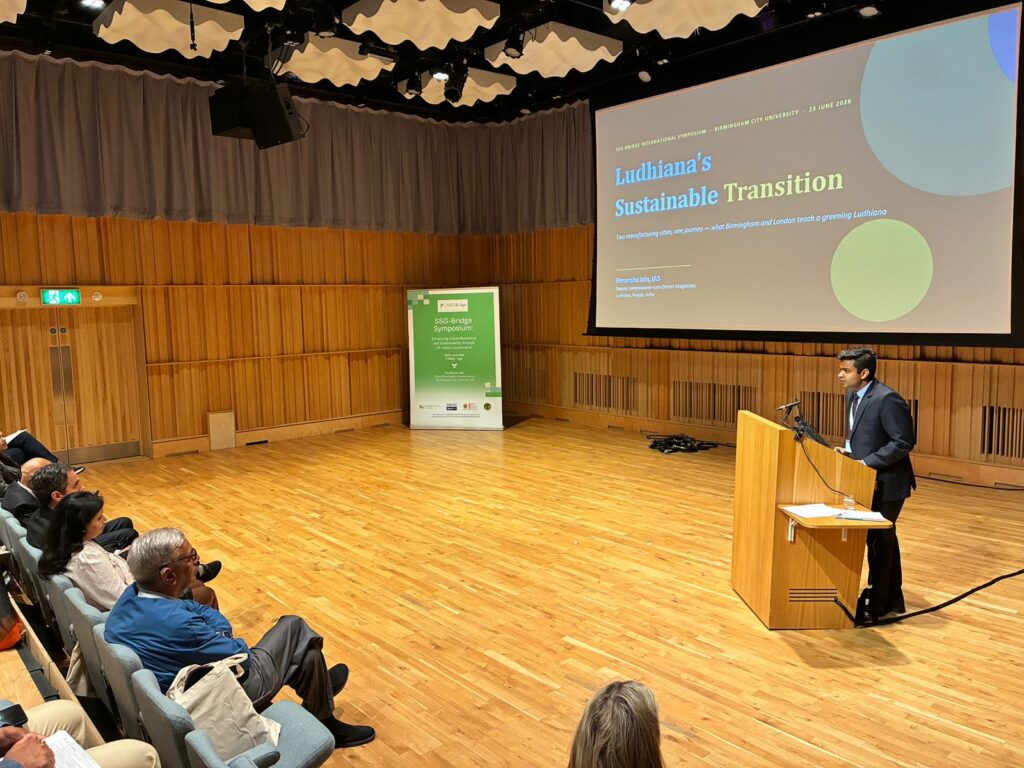
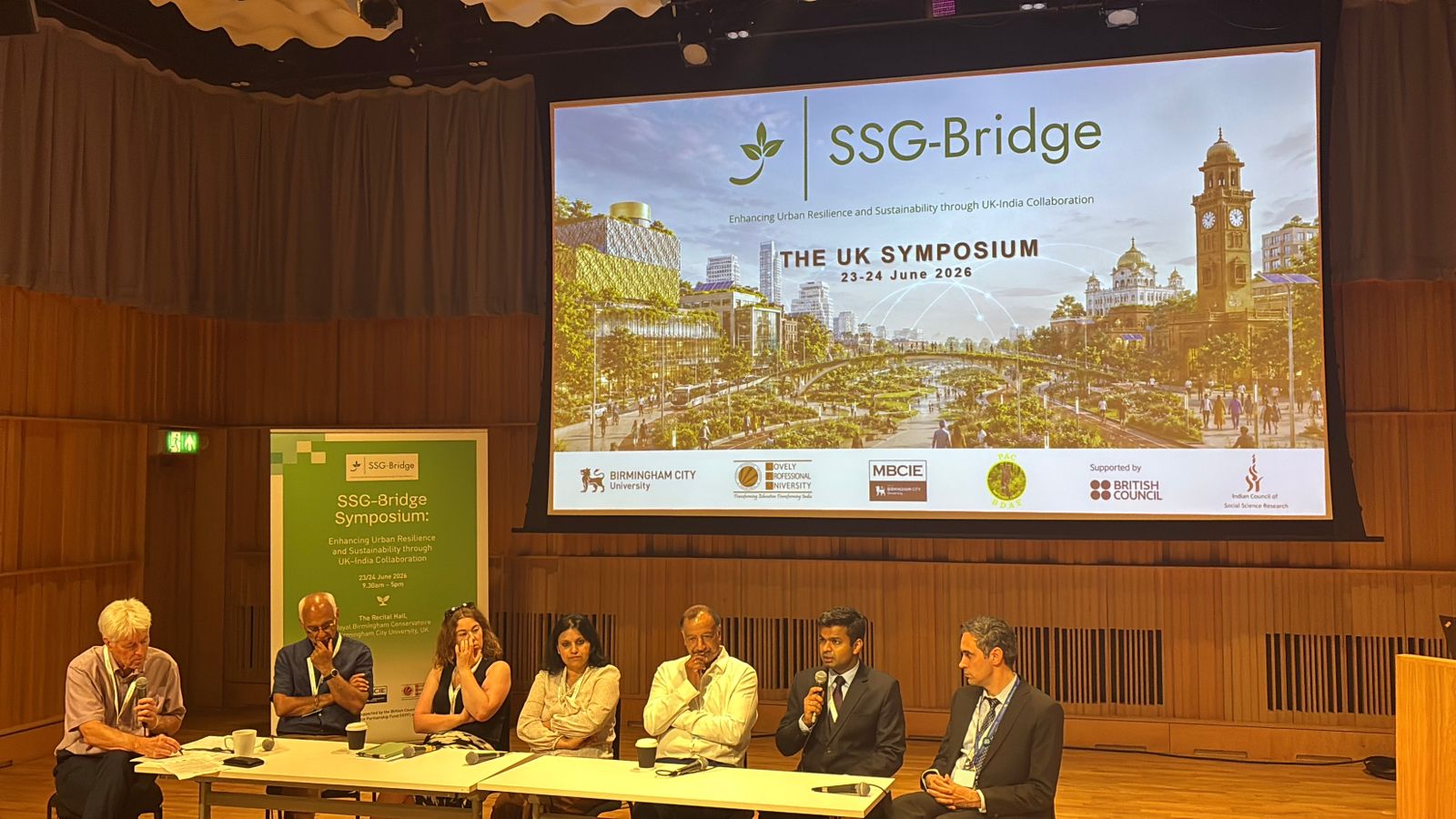
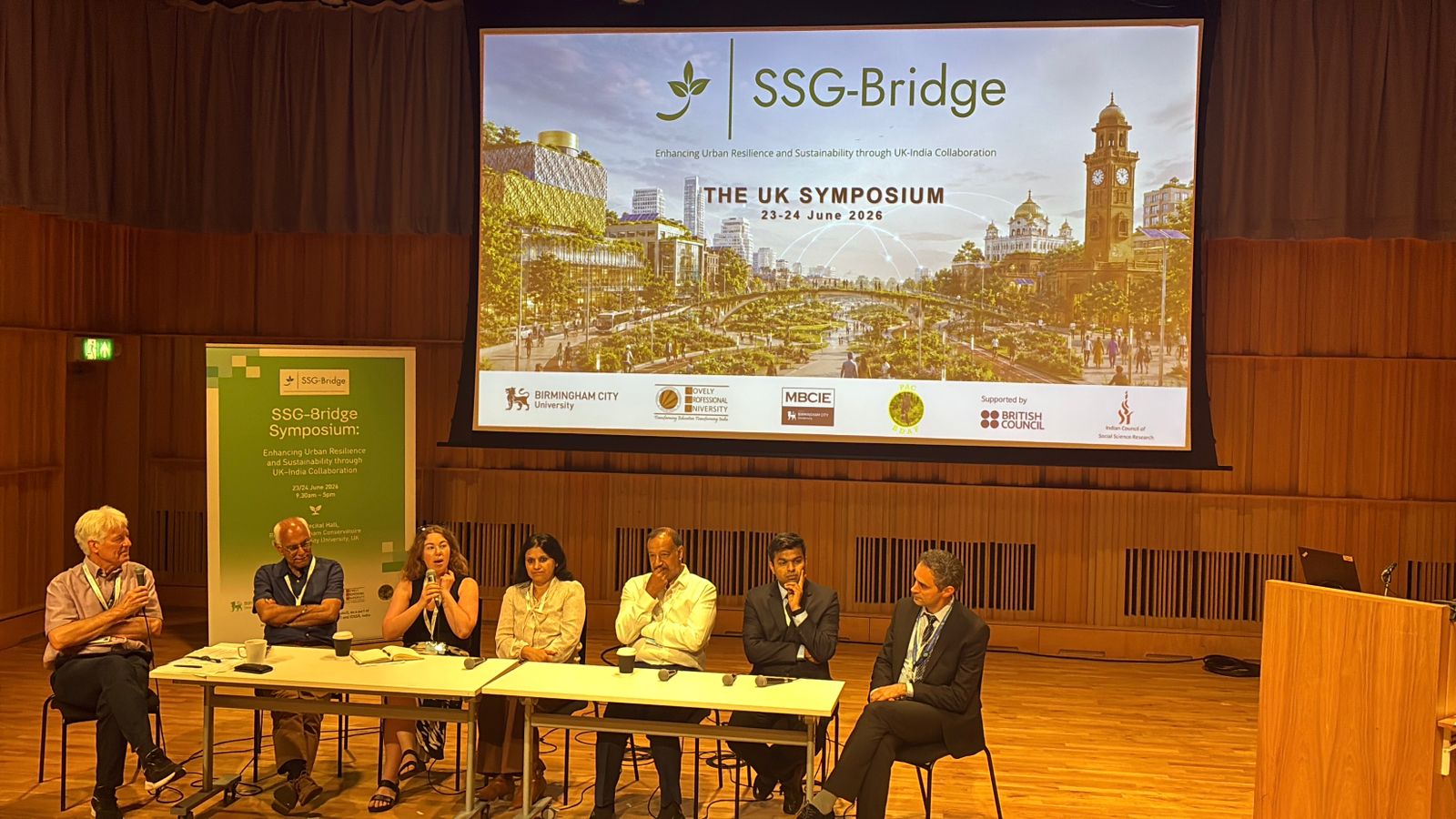
SSG – Bridge at Birmingham: A Way Forward for Ludhiana
SSG – Bridge at Birmingham: A Way Forward for Ludhiana
A Vision for a Smart, Sustainable, and Green Ludhiana
Introduction
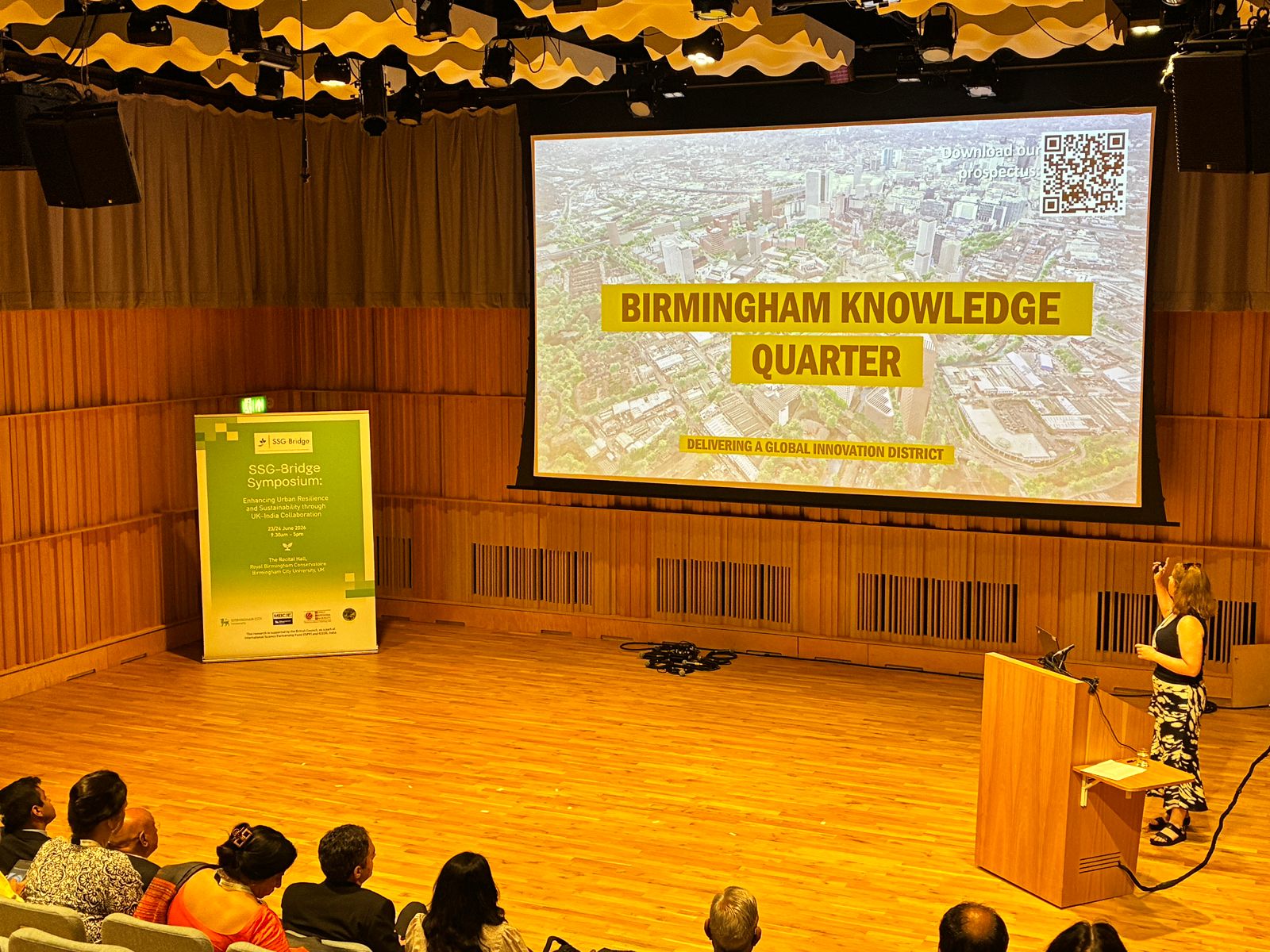
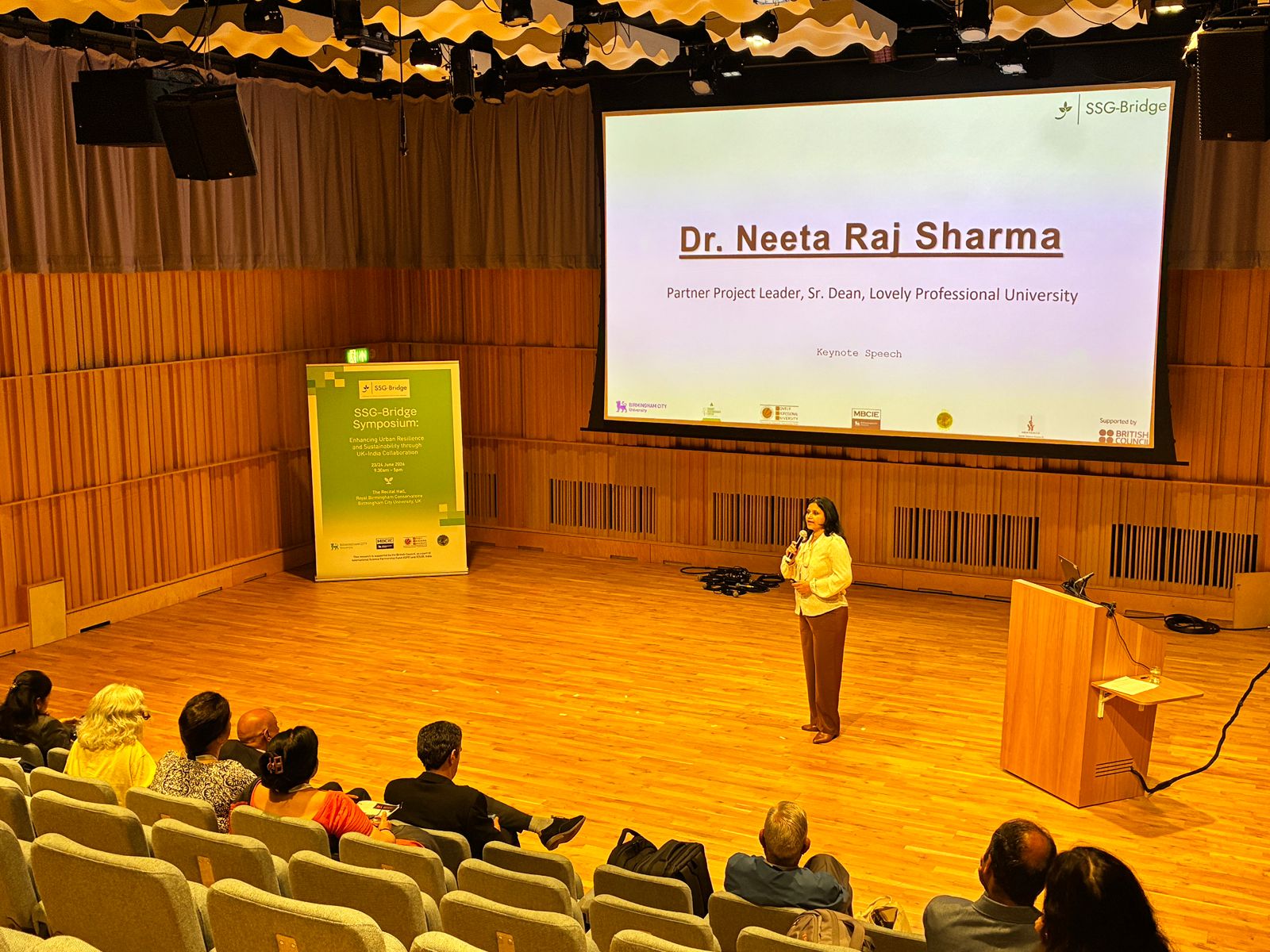
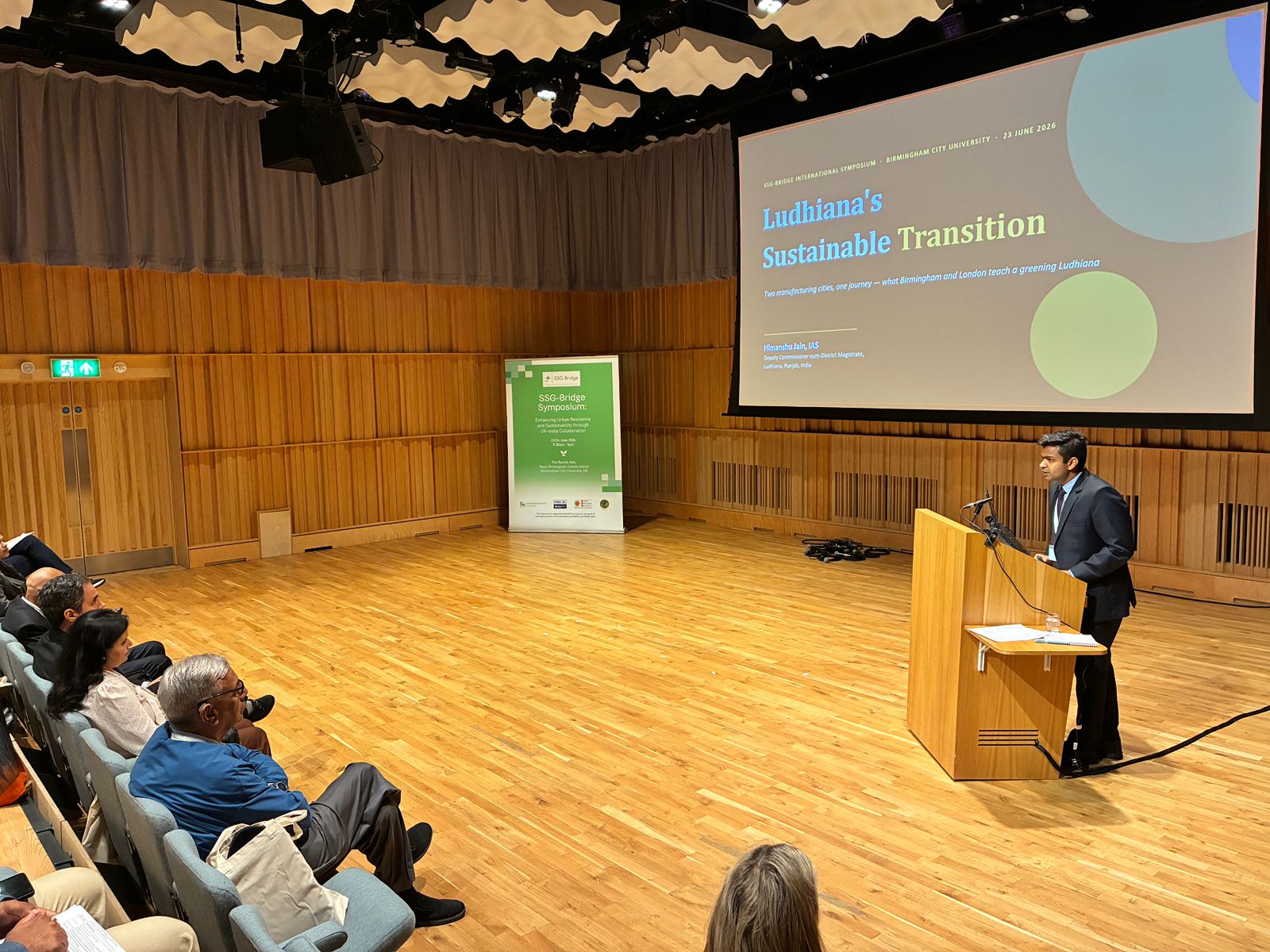
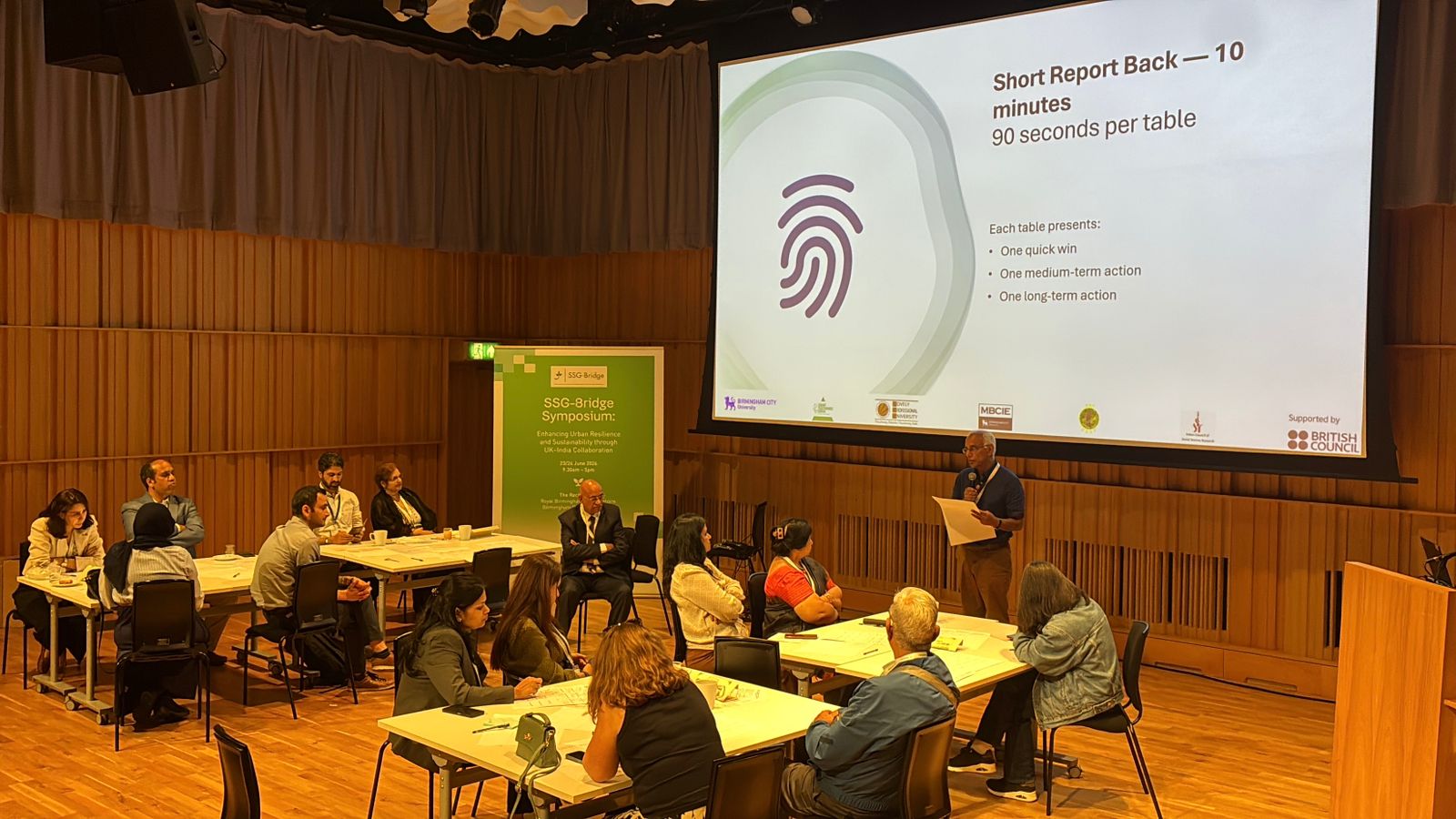
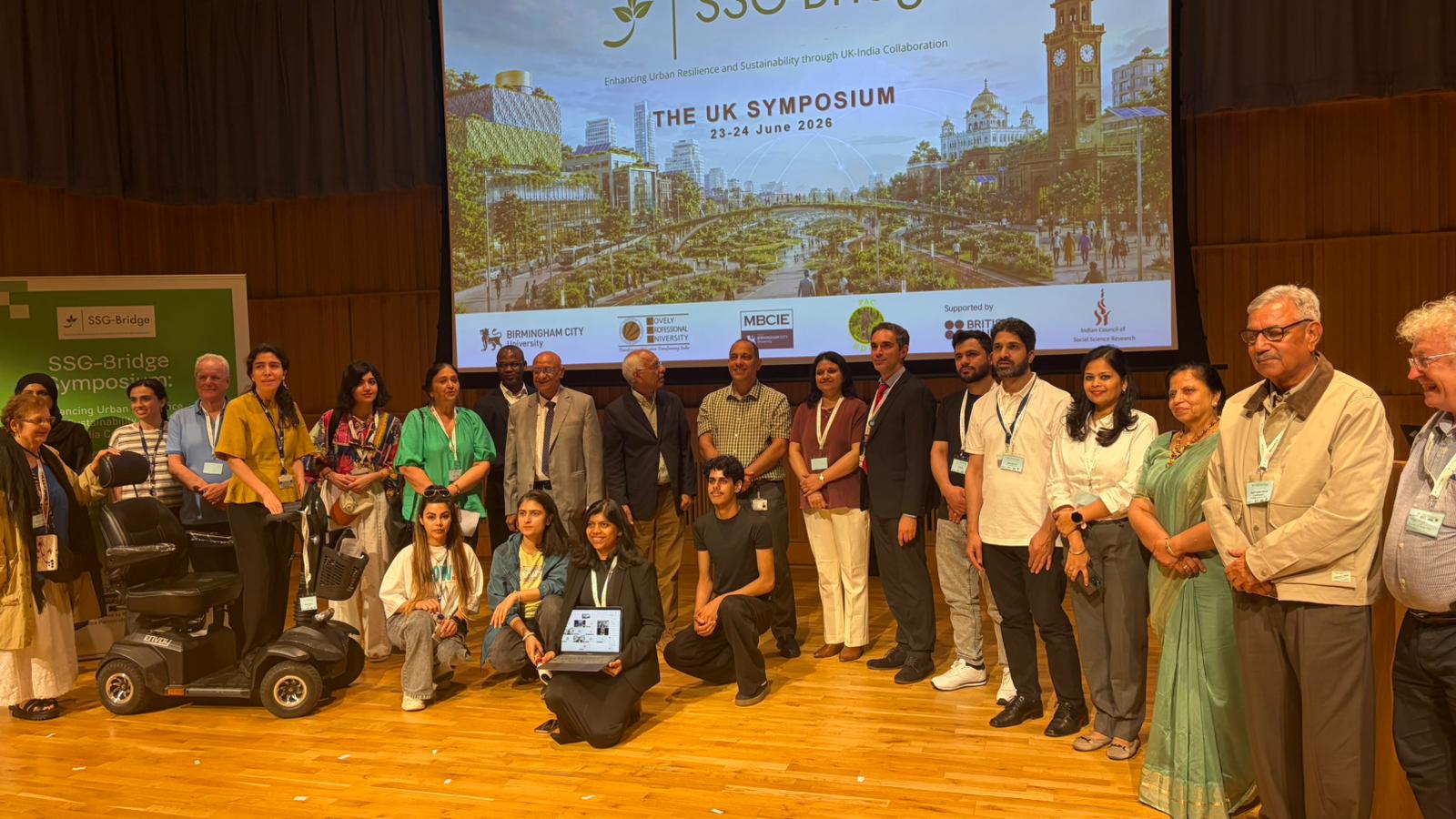
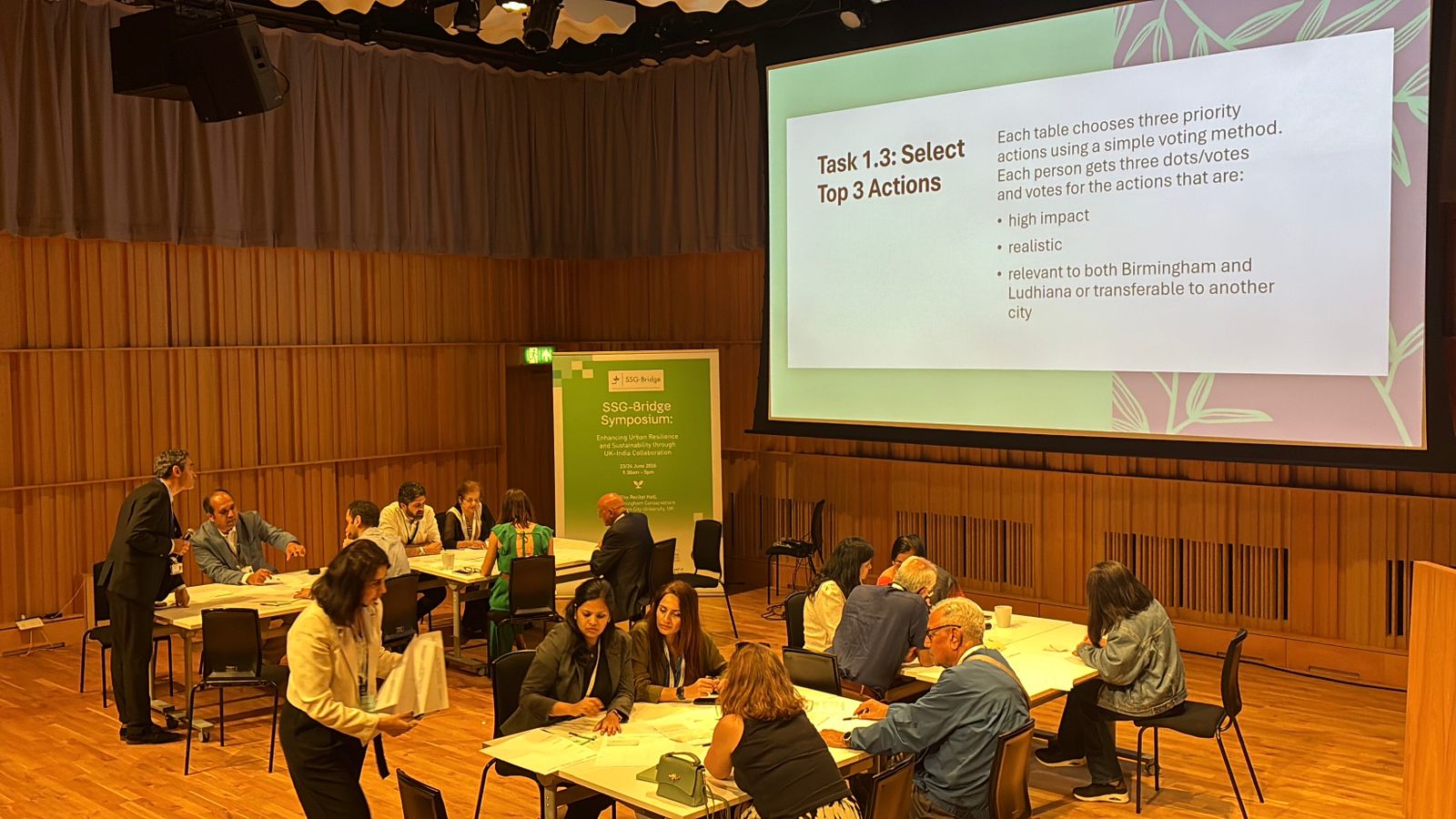
The interaction and deliberations at Birmingham have provided valuable insights into the challenges and opportunities associated with urban sustainability, environmental restoration, and community participation. The experience has reinforced the need for a transformed mindset and a collective approach to address the critical environmental and developmental issues confronting Ludhiana.
The “SSG – Bridge at Birmingham” initiative seeks to create a roadmap for Ludhiana’s transformation through a harmonious blend of Smart, Sustainable, and Green development principles. The objective is to create a city that is environmentally secure, economically vibrant, socially inclusive, and culturally rich.
The Need for a Changed Mindset
The foremost requirement for sustainable development is a change in mindset. Environmental degradation, resource depletion, and urban disorder cannot be addressed solely through government interventions. Every citizen, institution, industry, and organization must recognize their individual and collective responsibility.
The transformation of Ludhiana requires:
- Breaking mental barriers and resistance to change.
- Developing a strong sense of ownership and responsibility.
- Moving from criticism to constructive participation.
- Prioritizing long-term sustainability over short-term gains.
- Recognizing environmental protection as a shared responsibility.
A sustainable city begins with sustainable thinking.
Collaborative Partnerships:
- The Foundation of Success.
- The challenges facing Ludhiana are multidimensional and therefore require multidimensional solutions.
- A strong partnership framework should bring together
- Academia.
- Research and innovation.
- Environmental monitoring.
- Development of sustainable technologies.
- Capacity building and skill development.
- Industry
- Adoption of cleaner technologies.
- Efficient resource utilization.
- Waste minimization and recycling.
- Corporate social responsibility initiatives.
- NGOs and Civil Society
- Community mobilization.
- Awareness campaigns.
- Grassroots implementation.
- Citizen engagement.
- Environmental Activists
- Advocacy and environmental stewardship.
- Monitoring and accountability.
- Public participation initiatives.
- Government Agencies
- Policy formulation.
- Regulatory enforcement.
- Infrastructure development.
- Financial and institutional support.
- Only through such joint ventures can sustainable outcomes be achieved.
Critical Challenges Facing Ludhiana
Ludhiana today faces multiple environmental and urban challenges:
Water Pollution
Industrial effluents and untreated sewage continue to pollute Buddha Darya, River Satluj, and connected water bodies.
Water Stress
Over-extraction of groundwater and inadequate recharge mechanisms are creating severe water scarcity.
Depletion of Forests and Green Cover
Urban expansion has reduced natural habitats and green spaces, adversely affecting biodiversity.
Biodiversity Loss
Loss of wetlands, forests, and natural ecosystems threatens ecological balance.
Air Pollution
Industrial emissions, vehicular pollution, construction activities, and crop residue burning contribute to deteriorating air quality.
Solid Waste Management
Increasing waste generation and inadequate segregation, recycling, and disposal systems create environmental hazards.
Traffic Congestion
Rapid urbanization and unplanned growth have resulted in severe traffic challenges and increased pollution.
Environmental Restoration Priorities
The restoration of natural ecosystems should become a central pillar of Ludhiana’s development strategy.
Restoration of Rivers
Rejuvenation of Buddha Darya.
Protection of River Satluj.
Prevention of industrial and municipal pollution.
Continuous water quality monitoring.
Restoration of Canals
Cleaning and desilting.
Prevention of encroachments.
Enhancement of ecological functions.
Restoration of Wetlands
Conservation of existing wetlands.
Creation of urban wetlands for wastewater treatment.
Biodiversity enhancement.
Restoration of Lakes and Ponds
Scientific rejuvenation.
Rainwater harvesting integration.
Community stewardship programs.
Restoration of Jungles and Green Corridors
Expansion of urban forests.
Protection of Mattewara and other green zones.
Development of biodiversity corridors.
Sustainable Urban Infrastructure Development
The revitalization of Ludhiana’s urban infrastructure must integrate sustainability principles.
Restoration of Old Ludhiana City
Special attention should be given to:
Heritage conservation.
Pedestrian-friendly zones.
Improved Stormwater drainage systems.
Smart mobility solutions.
Green infrastructure integration.
Green Corners and Green Buffer Zones
Strategically developed green spaces can:
- Improve air quality.
- Reduce urban heat island effects.
- Enhance aesthetics.
- Improve public health and well-being.
- Preservation of Heritage and Culture\
- Development should not come at the cost of heritage.
- The city must actively preserve:
Historical buildings.
Cultural landmarks.
Traditional water bodies.
Local art and crafts.
Punjabi language and cultural identity.
A city without heritage loses its soul.
Sustainable Industrial Transformation
Industry remains the backbone of Ludhiana’s economy and therefore must become a leader in sustainability.
Industrial Relocation and Clustering
Future industrial planning should focus on:
Self-sustaining industrial clusters.
Effective Common Effluent Treatment Plants.
Resource sharing systems.
Renewable energy integration.
Circular economy principles.
Zero Liquid Discharge (ZLD)
Industries must progressively adopt:
Water recycling systems.
Wastewater treatment technologies.
Resource recovery mechanisms.
Zero liquid discharge frameworks.
This approach can significantly reduce pressure on rivers and groundwater resources.
Community Mobilization and Public Participation
No sustainability mission can succeed without people’s participation.
The SSG Mission must:
- Reach every stakeholder.
- Build trust and ownership.
- Encourage volunteerism.
- Create local environmental leadership.
Special focus should be placed on:
Children
Future environmental stewards.
Youth
Agents of innovation and social transformation.
Labour and Workers
Essential partners in implementing sustainable practices.
Women
Catalysts of social and environmental change.
Senior Citizens
Repositories of wisdom, experience, and community leadership.
Awareness as a Common Mission
Awareness must become a continuous movement rather than an occasional campaign.
The strategy should include:
- Environmental education.
- Public workshops.
- Community dialogues.
- School and college engagement.
- Digital outreach.
- Citizen science initiatives.
The objective should be to make sustainability a way of life.
Building a Harmonious Community Movement
The SSG Mission must transcend social, economic, political, and institutional boundaries.
A common agenda should unite:
- Communities.
- Industries.
- Educational institutions.
- Government agencies.
- NGOs.
- Environmental groups.
- Collective action generates collective impact.
Strategic Roadmap
- Short-Term Goals (0–5 Years)
- Awareness campaigns.
- Pollution source identification.
- Initial river restoration projects.
- Expansion of green cover.
- Waste segregation initiatives and Legacy Waste Disposal.
- Community participation platforms.
- Medium-Term Goals (5–10 Years)
- Significant reduction in water pollution.
- Wetland restoration projects.
- Sustainable transport systems.
- Industrial transition towards ZLD.
- Strengthening biodiversity corridors.
- Long-Term Goals (10–20 Years)
- Rejuvenated rivers and water bodies.
- Self-sustaining industrial ecosystems.
- Enhanced groundwater recharge.
- Carbon-conscious urban development.
- International recognition as a Smart, Sustainable, and Green City.
Balancing Smart, Sustainable, and Green Development
The ultimate success of Ludhiana’s transformation depends upon maintaining an optimum balance among:
Smart
Technology, innovation, data-driven governance, and efficient infrastructure.
Sustainable
Resource conservation, economic resilience, and social equity.
Green
Environmental protection, biodiversity conservation, Water Resource Management and ecological restoration.
A balanced integration of these three pillars will ensure lasting prosperity and environmental security.
Conclusion
The Birmingham experience has reinforced a simple but powerful message: sustainable development is not merely an environmental agenda—it is a societal transformation. Ludhiana possesses the intellectual capital, industrial strength, community spirit, and institutional framework necessary to become a model city of sustainable development.
The SSG Mission offers a pathway toward restoring rivers, conserving biodiversity, revitalizing urban infrastructure, preserving heritage, and fostering responsible citizenship. Through collective effort, shared responsibility, and long-term commitment, Ludhiana can emerge as a truly Smart, Sustainable, and Green city for future generations.
“The future of Ludhiana will not be shaped by what we inherit, but by what we choose to restore, protect, and build together.”
Col CM Lakhanpal
Member, PAC Mattewara Jungles, River Satluj, and Buddha Darya, Ludhiana
Mob: 94171 38044
Our Gallery
Past Events