Sep 08, 2026



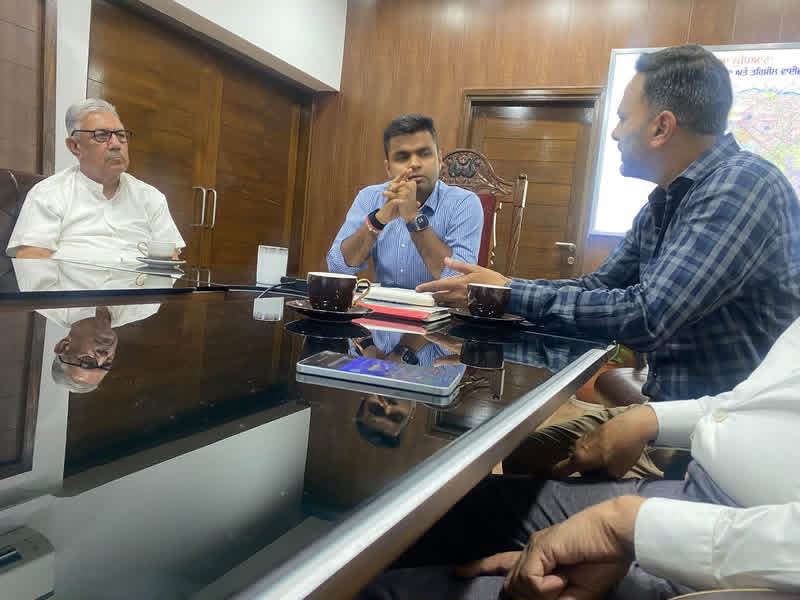
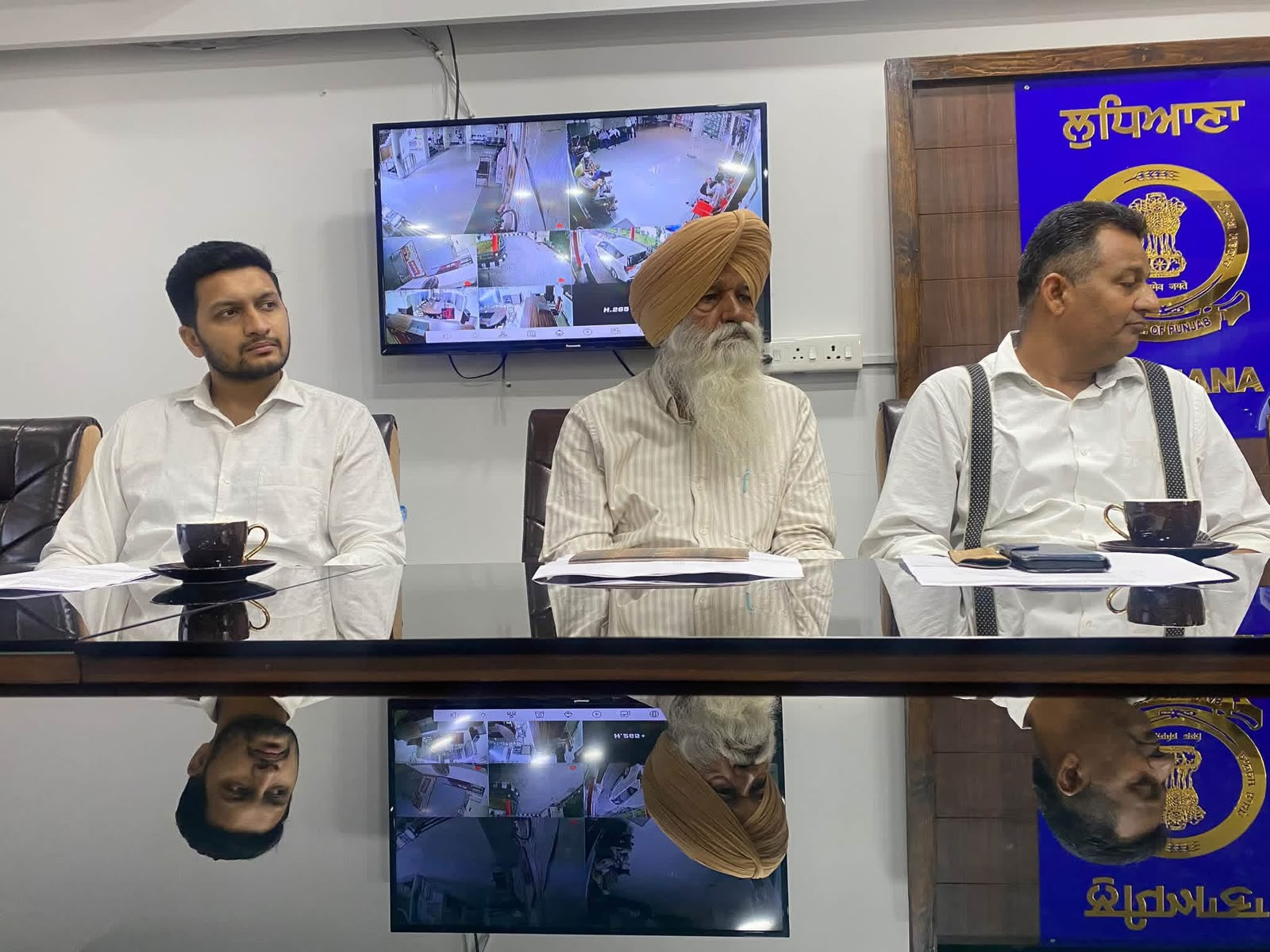
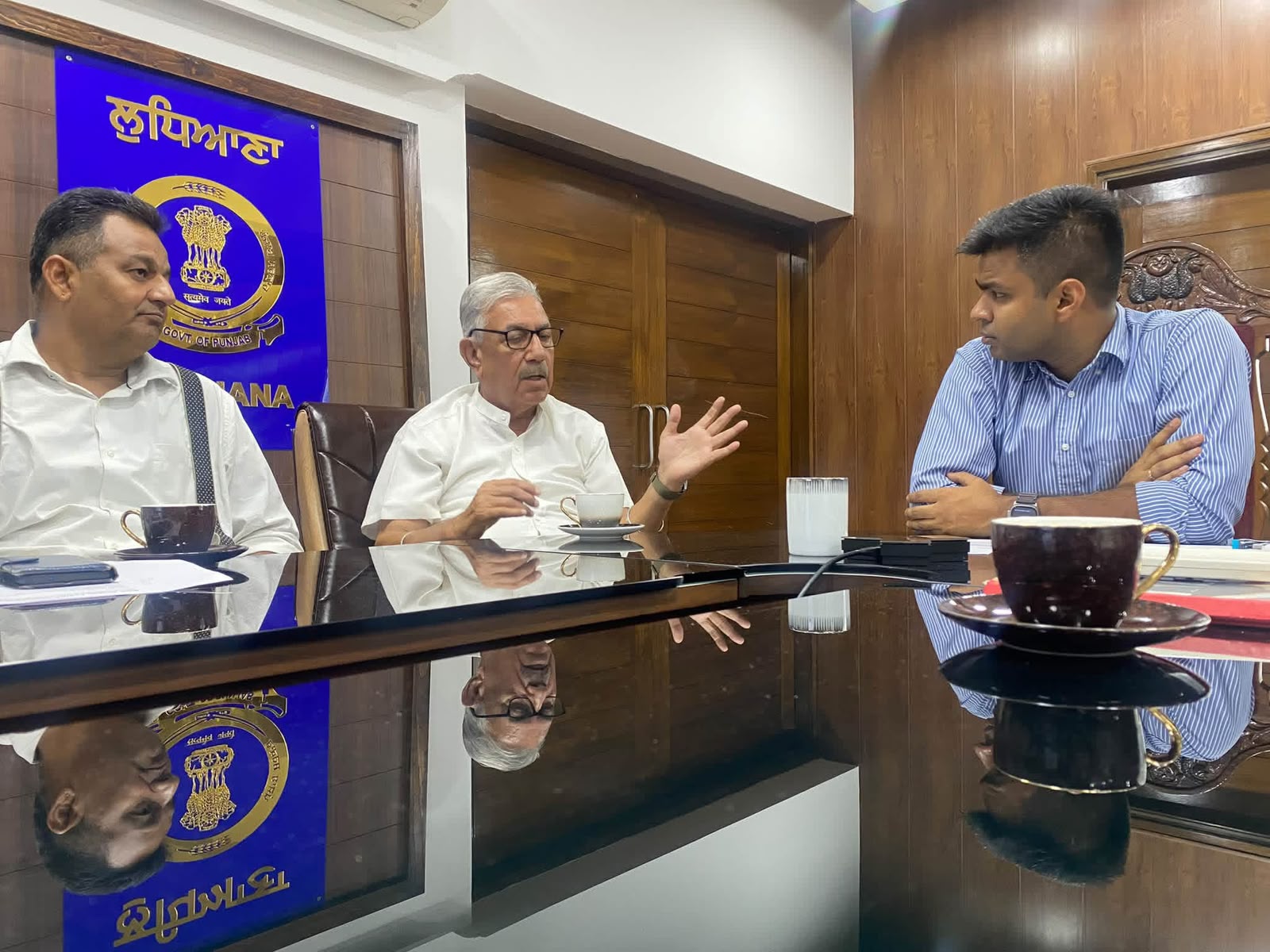
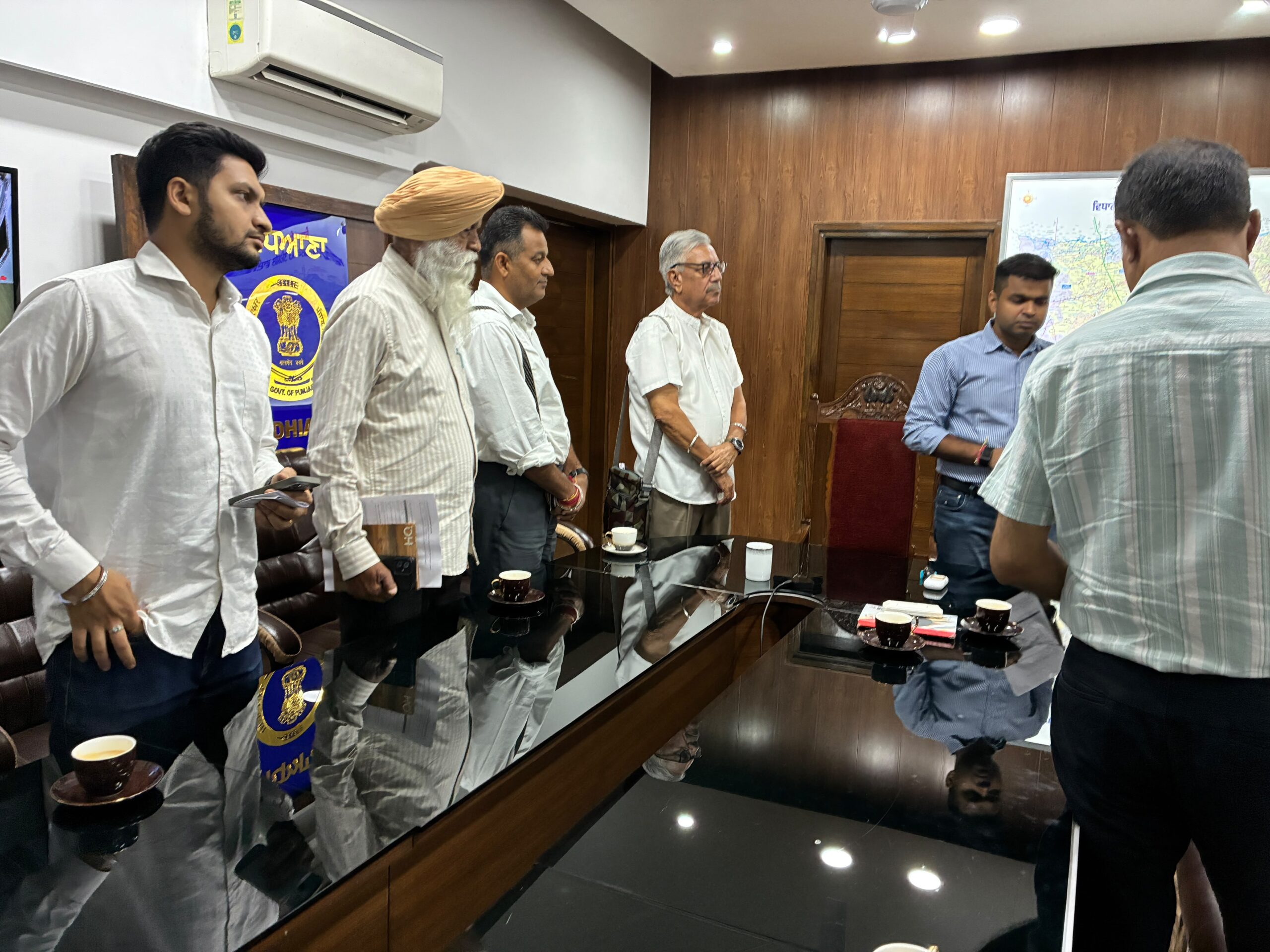
A Focus Group Meeting under the SSG Mission Project was held at the Office of the Deputy Commissioner, Ludhiana, on 08 September 2026.
Focus Group Meeting — SSG Mission, Ludhiana
Venue: Office of the Deputy Commissioner, Ludhiana
Date: 08 September 2026
A Focus Group Meeting under the SSG Mission Project was held at the Office of the Deputy Commissioner, Ludhiana, on 08 September 2026.
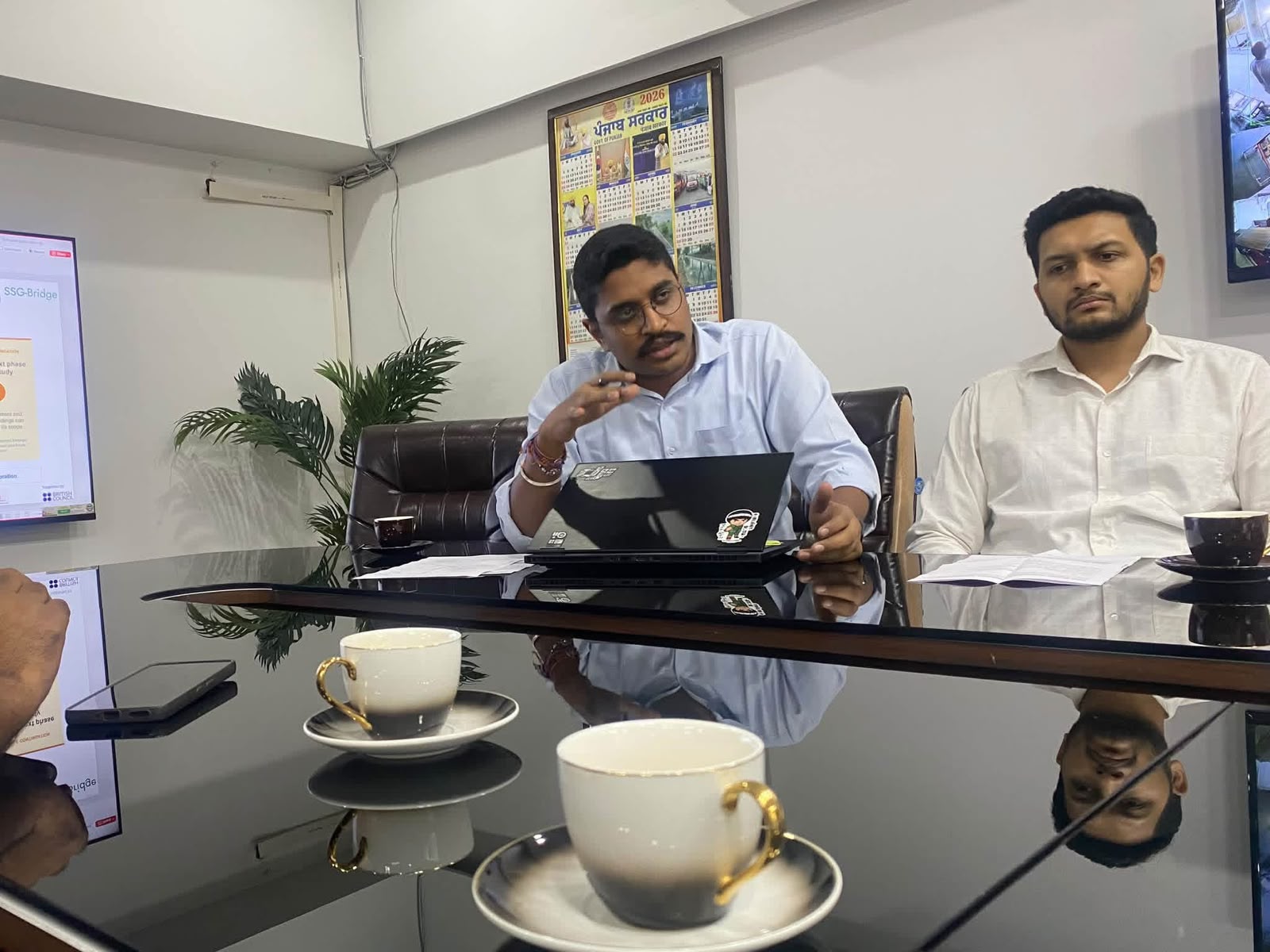
Ms Samta Tayde, on behalf of Team SSG, delivered a well-structured presentation comparing the urban environmental challenges and management practices of Ludhiana and Birmingham. The presentation broadly covered air-pollution control.
The other issues highlighted by the participants included:
- Water pollution and water stress
- Solid-waste management
- Traffic and urban-mobility management
The discussion, however, remained primarily confined to air pollution, traffic management and, to a limited extent, solid-waste management. PAC observed that the equally critical and interconnected issues of water pollution and growing water stress in Ludhiana were not discussed in adequate depth.
This is a significant gap. Ludhiana’s air, water, waste and traffic problems cannot be addressed in isolation. Industrial emissions, untreated wastewater, contaminated storm-water drains, unscientific waste disposal, congestion and declining green spaces are interconnected aspects of the same urban environmental crisis.
PRINCIPAL ISSUES AND SUGGESTIONS
1. Decentralisation and Relocation of the Main Bus Stand
The existing main bus stand contributes substantially to traffic congestion, vehicular emissions and excessive pressure on the central parts of Ludhiana.
It was suggested that the city should consider developing at least two modern, well-connected intercity bus terminals at suitable locations along or near the proposed Outer Circular Road.
The proposed terminals should:
- Serve different regional traffic corridors.
- Intercept intercity buses at the outskirts before they enter congested city areas.
- Include adequate parking, passenger facilities and electric-vehicle charging infrastructure.
- Be integrated with local public transport, including METRO connectivity along the proposed Ring Road, with suitable interconnections within the city.
- Provide safe pedestrian access and last-mile connectivity.
- Be developed after a scientific traffic-flow, land-use and environmental-impact assessment.
The existing central bus stand may thereafter be converted into a smaller city-transit hub or used for another appropriate public purpose, potentially as a future METRO hub.
2. Strengthening Public Transport
Relocation of the bus stand will succeed only if it is supported by an affordable, reliable and accessible public-transport system, including METRO connectivity.
The city requires:
- High-frequency electric or low-emission buses.
- Defined routes connecting the proposed outer terminals with residential, commercial, industrial and institutional areas.
- Feeder services and last-mile connectivity.
- Integrated ticketing and passenger-information systems.
- Dedicated or priority lanes on suitable corridors.
- Safe bus shelters and pedestrian access.
- Facilities for elderly persons, women, children and persons with disabilities.
A phased Ludhiana Urban Mobility Plan should be prepared, supported by measurable targets for reducing congestion, travel time, fuel consumption and vehicular emissions.
3. Regulation of Heavy Vehicles at Samrala Chowk
Samrala Chowk is an important but highly congested intersection where heavy commercial traffic conflicts with peak-hour public movement.
It was suggested that:
- The movement of heavy vehicles through the Samrala Chowk area should be restricted during notified peak hours.
- Designated truck routes and holding areas should be developed.
- Freight movement should be diverted, wherever feasible, to bypasses and the Outer Circular Road.
- Intelligent traffic-management systems should monitor congestion and violations.
- Traffic signals should be synchronised scientifically.
- Enforcement should be supported through cameras, signage and clearly notified regulations.
Such restrictions should be introduced only after consultation with transporters, industries, traffic police and affected communities so that the arrangements remain effective and practical.
4. Productive Use of Vacant and Waste Land
Unused, degraded and waste-land parcels situated along important roads should be identified, mapped and developed as attractive public spaces.
Depending upon their location and size, such sites may be converted into:
- Urban forests and green buffers.
- Public parks and shaded sitting areas.
- Walking and cycling spaces.
- Rain gardens and groundwater-recharge zones.
- Organised vending areas.
- Community recreation spaces.
- Landscaped gateways at important entry points to the city.
Native trees and low-maintenance vegetation should be preferred. However, contaminated sites must first undergo environmental assessment and, where necessary, scientific remediation before being opened for public use.
A transparent inventory of all identified sites, their ownership, proposed use, estimated cost and implementing agency should be placed in the public domain.
5. Solid-Waste Management
Garbage management in Ludhiana continues to be a seriously mismanaged area and requires institutional accountability rather than temporary cleanliness drives.
Priority measures should include:
- Compulsory segregation of waste at source.
- Separate collection of wet, dry, sanitary and hazardous household waste.
- Decentralised composting and biomethanation of biodegradable waste.
- Material-recovery facilities for recyclable waste.
- Scientific processing of legacy waste.
- Prevention of waste dumping into Buddha Darya, drains, vacant plots and roadsides.
- Dedicated systems for construction and demolition waste.
- Formal inclusion and protection of waste workers.
- GPS-based monitoring of collection vehicles.
- Public disclosure of daily collection, processing and disposal figures.
Performance-based contracts must include measurable service standards, independent verification, penalties for non-performance and public grievance-redressal mechanisms.
6. Air-Pollution Control
Ludhiana requires a source-specific and area-specific air-quality action plan.
The plan should address:
- Industrial stack and fugitive emissions.
- Vehicular emissions and traffic congestion.
- Road and construction dust.
- Open burning of waste.
- Diesel-generator emissions.
- Emissions from the landfill and waste-processing sites.
- Pollution generated by unpaved road shoulders and poorly maintained industrial areas.
Continuous monitoring should be expanded beyond a few stations. Data should be publicly available and linked with time-bound enforcement.
Special attention should be given to industrial clusters, major traffic intersections, schools, hospitals and densely populated localities.
The Birmingham experience may be studied for applicable practices, but measures must be adapted to Ludhiana’s industrial profile, administrative capacity, finances and social conditions.
7. Water Pollution and Water Stress
PAC strongly emphasised that water pollution and water stress must be treated as a principal component of the SSG Mission, not as a secondary or deferred issue.
Ludhiana faces serious challenges involving:
- Pollution of Buddha Darya and its eventual impact upon River Satluj.
- Industrial effluent entering sewers and storm-water systems.
- Inadequate or inconsistent performance of CETPs, STPs and dairy ETPs.
- Mixing of sewage, industrial effluent and storm water.
- Illegal discharge points and bypass arrangements.
- Excessive groundwater extraction.
- Declining groundwater levels.
- Contamination risks to surface and groundwater sources.
- Limited reuse of treated wastewater.
A dedicated water paper should recommend:
- Scientific mapping of all water, sewage, industrial-effluent and storm-water flows.
- Real-time monitoring of CETP, STP and dairy-ETP inlet and outlet quality.
- Independent performance audits of treatment infrastructure.
- Strict segregation of industrial effluent, domestic sewage and storm water.
- Interception and closure of illegal discharge points.
- Restoration of drains, wetlands, floodplains and natural recharge areas.
- Mandatory reuse of adequately treated water by industry, construction, horticulture and other suitable sectors.
- Water budgeting and aquifer-recharge planning.
- Clear responsibility for implementation, verification and enforcement.
FINANCIAL AND INSTITUTIONAL CONSTRAINTS
The availability of financial resources was identified as a major constraint in translating the SSG Mission’s recommendations into implementable projects.
Financial limitations should not, however, result in the abandonment of necessary proposals. Each proposal should be supported by:
- Preliminary technical feasibility.
- Estimated capital cost.
- Recurring operation and maintenance cost.
- Possible land requirement.
- Implementing and monitoring agencies.
- Potential funding sources.
- Measurable outcomes.
- Short-, medium- and long-term implementation schedules.
Possible financial avenues may include relevant Central and State Government schemes, municipal funds, pollution-control funds, multilateral or development partnerships, corporate social responsibility support and properly structured public-private partnerships.
Financing arrangements must protect the public interest and avoid transferring unreasonable costs or risks to citizens.
RECOMMENDED DOCUMENTATION AND FOLLOW-UP
It is suggested that a separate thematic paper should be prepared for each major subject:
- Air-pollution control.
- Water pollution and water security.
- Solid-waste management.
- Traffic management and sustainable public transport.
- Urban green spaces and productive use of vacant land.
Each paper should clearly contain:
- The existing situation and baseline data.
- Identification of major pollution sources and institutional gaps.
- Comparison with relevant Birmingham practices.
- Solutions adapted to Ludhiana.
- Financial implications and possible funding sources.
- Implementing departments and stakeholder responsibilities.
- Timelines and performance indicators.
- Arrangements for independent monitoring.
- Provisions for community participation and public disclosure.
The completed papers may be forwarded to the Government of Punjab and the Government of India for consideration, funding and implementation, with copies to the Deputy Commissioner, Ludhiana, and other concerned authorities.
The proposals may be submitted through the LPU Centre of Excellence or the Joint Project Coordinator, as institutionally appropriate. Copies may also be routed to the British Council and the concerned project-funding and coordinating organisations, including ICRSS, for continued engagement, pursuit, implementation support and monitoring.
PAC’S POSITION
PAC agreed with most of the constructive suggestions made during the meeting. At the same time, PAC emphasised that the exercise should progress beyond presentations and general discussions towards serious planning, implementation, monitoring and measurable public outcomes.
All participating stakeholders should act as responsible partners and contribute concrete alternatives wherever difficulties are identified. Merely rejecting a proposal without offering a technically and financially viable alternative will create avoidable stumbling blocks.
The environmental challenges confronting Ludhiana are matters of common welfare and collective societal responsibility. They require sustained cooperation among government departments, municipal authorities, academic institutions, industry, technical experts, civil-society organisations and local communities.
It is therefore recommended that:
- Subject-specific working groups be constituted.
- Nodal officers and institutional responsibilities be identified.
- Time-bound action plans be prepared.
- Quarterly progress reviews be conducted.
- Performance indicators be made publicly accessible.
- Community representatives be included in monitoring and evaluation.
The SSG Mission offers an important opportunity to convert international learning, academic expertise and community experience into practical improvements for Ludhiana.
Its success must ultimately be judged not by the number of meetings or reports produced, but by visible, measurable and sustained improvement in the city’s air, water, mobility, waste management and overall quality of life.
The SSG Mission is strongly recommended for further extensions.
Col CM Lakhanpal
Member, Public Action Committee
Mattewara Jungles, River Satluj and Buddha Darya
Ludhiana
Mobile: 94171 38044
Our Gallery
Past Events